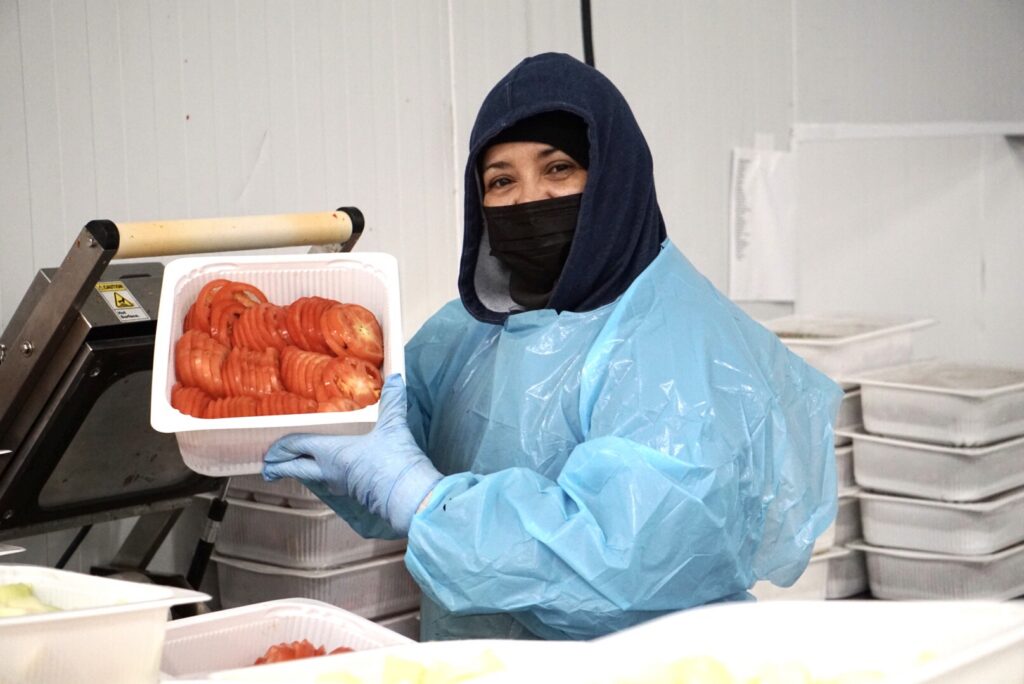
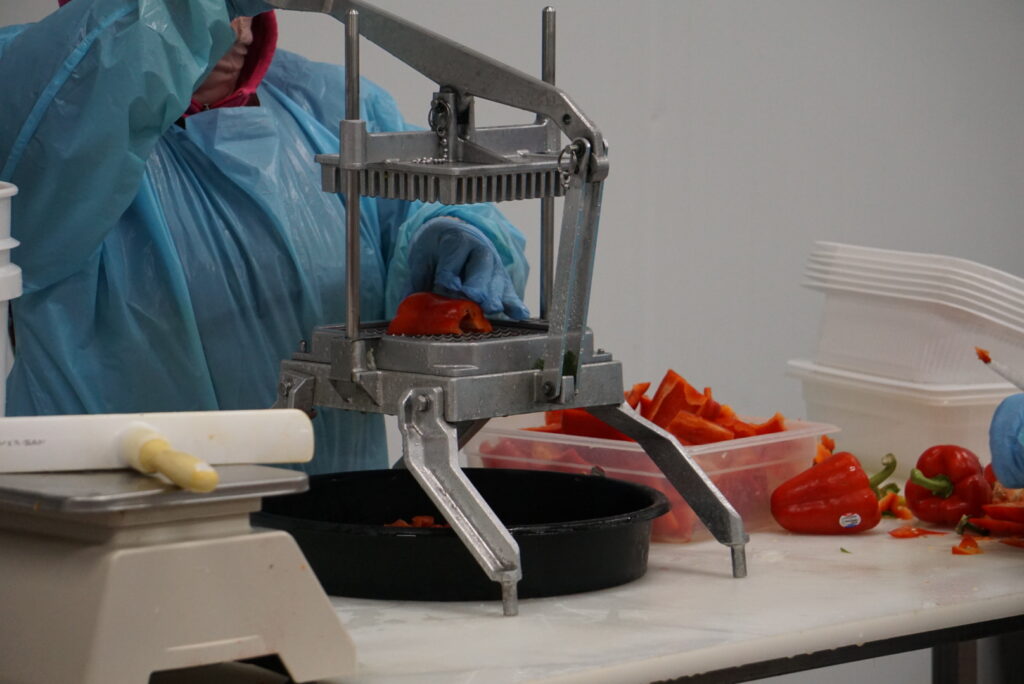
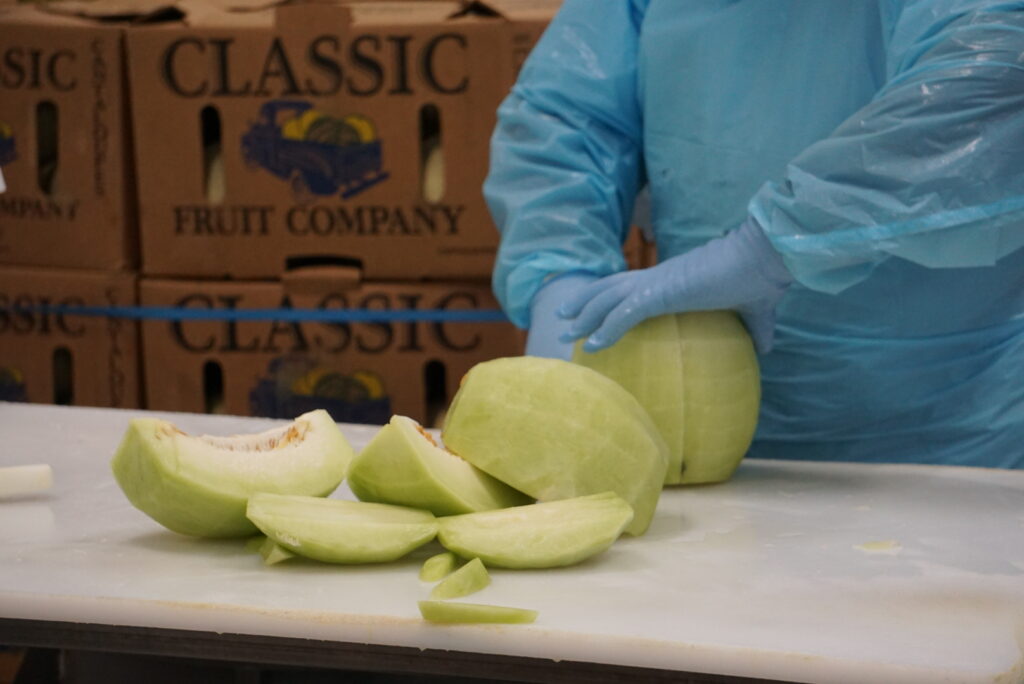
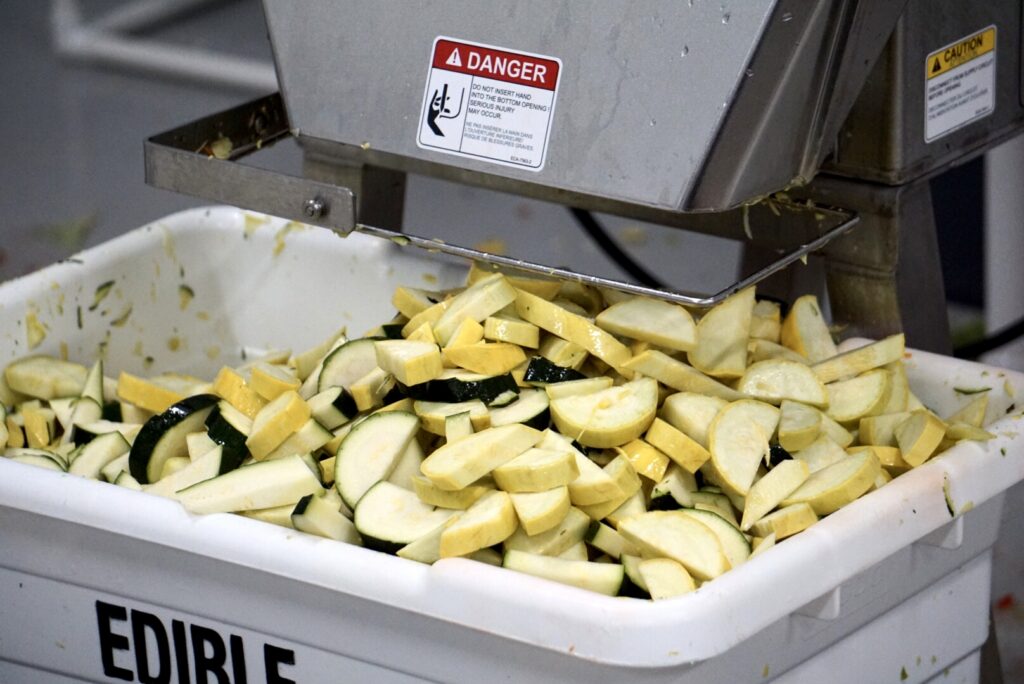
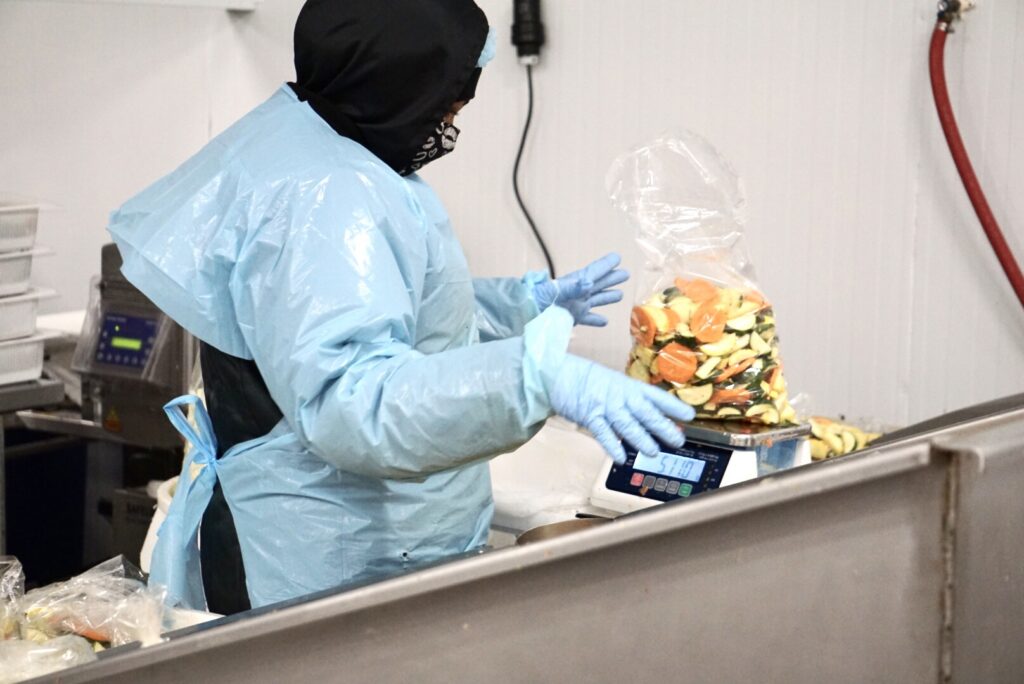
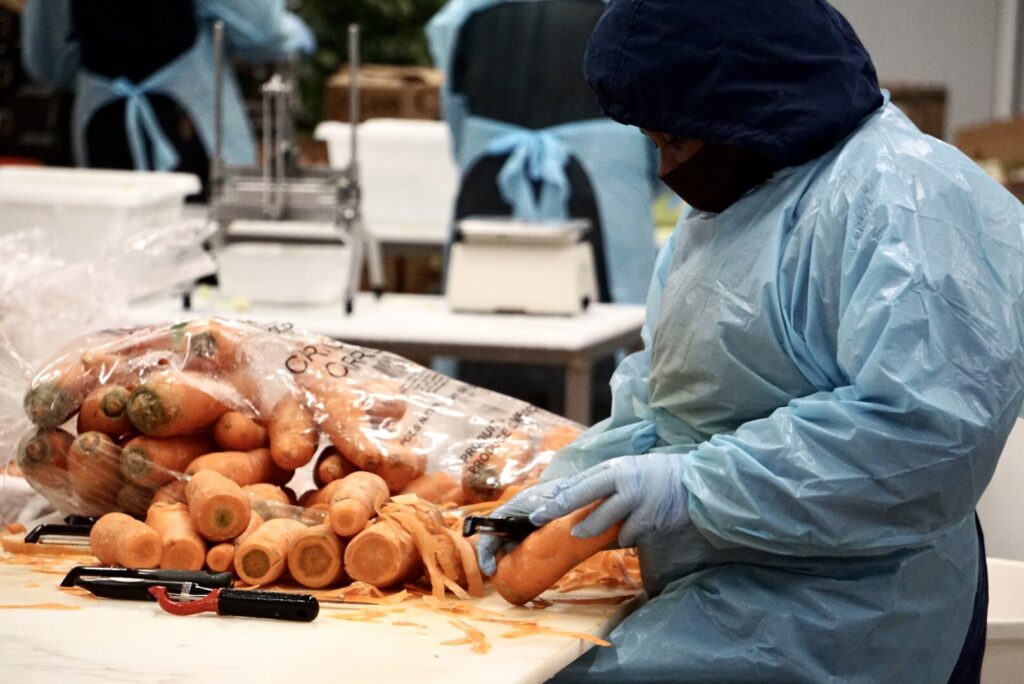
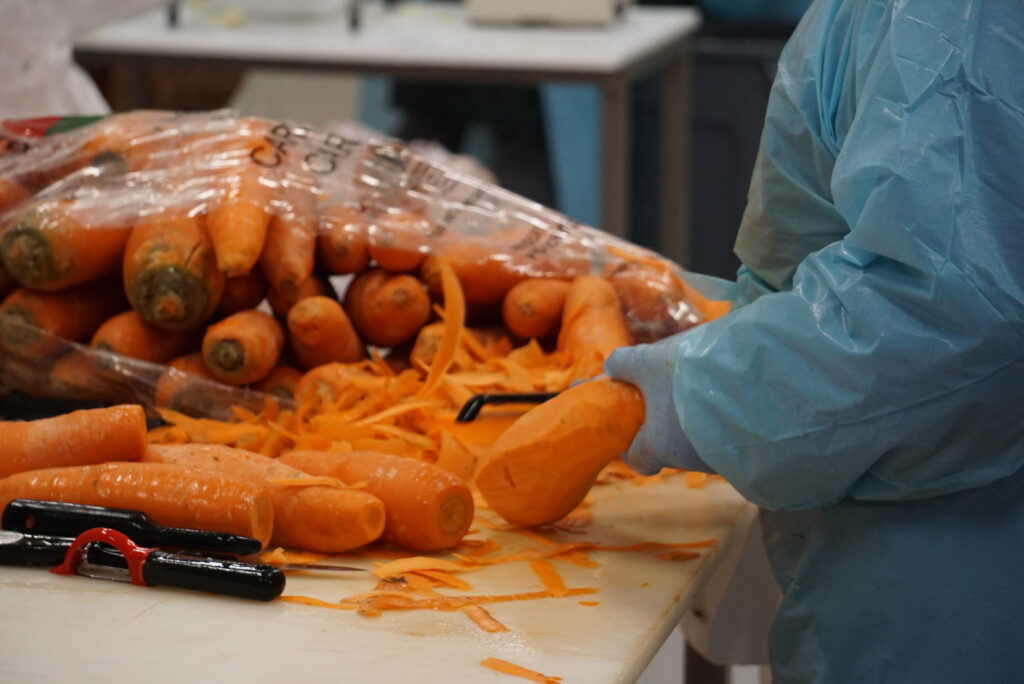
Louisville, Kentucky and Orlando, Florida – September 9, 2026 – What Chefs Want today announced the acquisition of Quality Cut Produce, a Florida-based fresh-cut produce company known for its high-quality processing capabilities, commitment to food safety, and service to foodservice operators throughout the region.
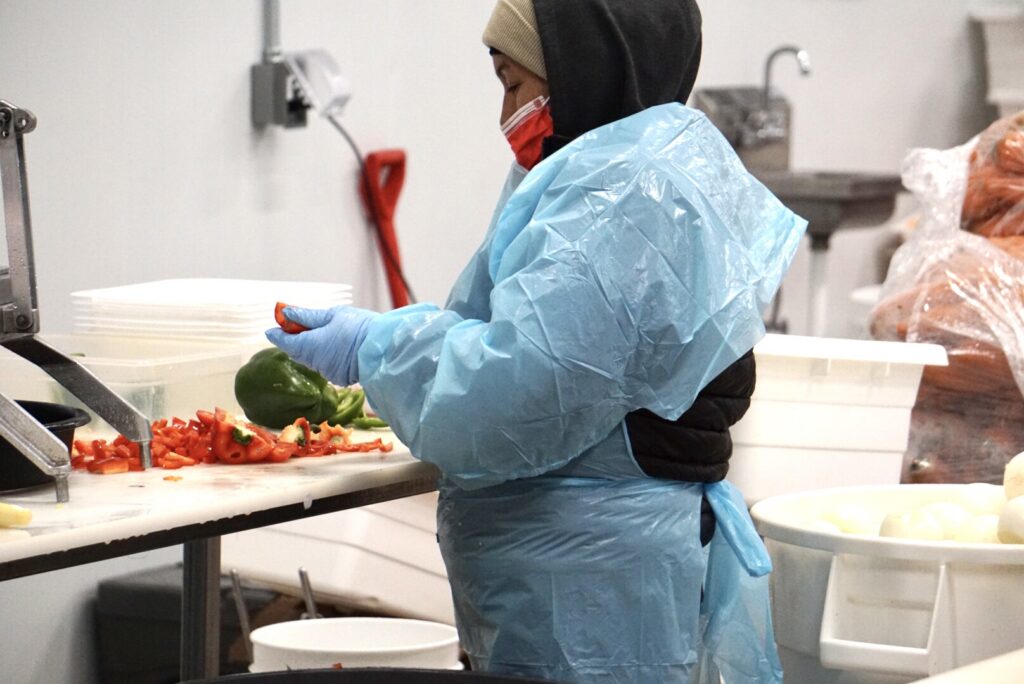
The acquisition strengthens What Chefs Want’s growing presence across Florida while significantly expanding the company’s PrepKitchen operation, providing additional production capacity and a state-of-the-art fresh-cut produce facility to support chefs, schools, healthcare providers, hospitality groups, and other foodservice customers throughout the state.
For years, Quality Cut Produce has built a reputation for delivering consistently prepared fresh fruits and vegetables that help customers reduce labor, improve consistency, and increase kitchen efficiency. By joining the What Chefs Want family, the company will continue serving customers with the same commitment to quality while gaining access to a broader product offering, expanded distribution capabilities, and additional operational resources.
“This acquisition is a natural fit for our long-term vision in Florida,” said Ron Turnier, Founder and CEO of What Chefs Want. “Quality Cut Produce has built an outstanding operation focused on quality, food safety, and customer service. Their expertise in fresh-cut produce aligns perfectly with our PrepKitchen model and allows us to expand our ability to help chefs save time, reduce prep labor, and maintain consistency in their kitchens. We’re excited to welcome their team into the What Chefs Want family.”
Quality Cut Produce customers will continue working with the team they know and trust while gaining access to the broader What Chefs Want portfolio, including fresh produce, meat, seafood, dairy, gourmet products, pantry staples, and to go and paper essentials.
“Joining What Chefs Want creates exciting opportunities for our customers and employees,” said Wanzell Underwood, Owner of Quality Cut Produce. “Both companies share a commitment to quality, service, and helping foodservice operators succeed. We’re excited about what this means for the future.”
The acquisition represents another milestone in What Chefs Want’s continued investment in Florida, expanding the company’s ability to provide chefs with innovative products, exceptional service, and solutions that help kitchens operate more efficiently.
About What Chefs Want
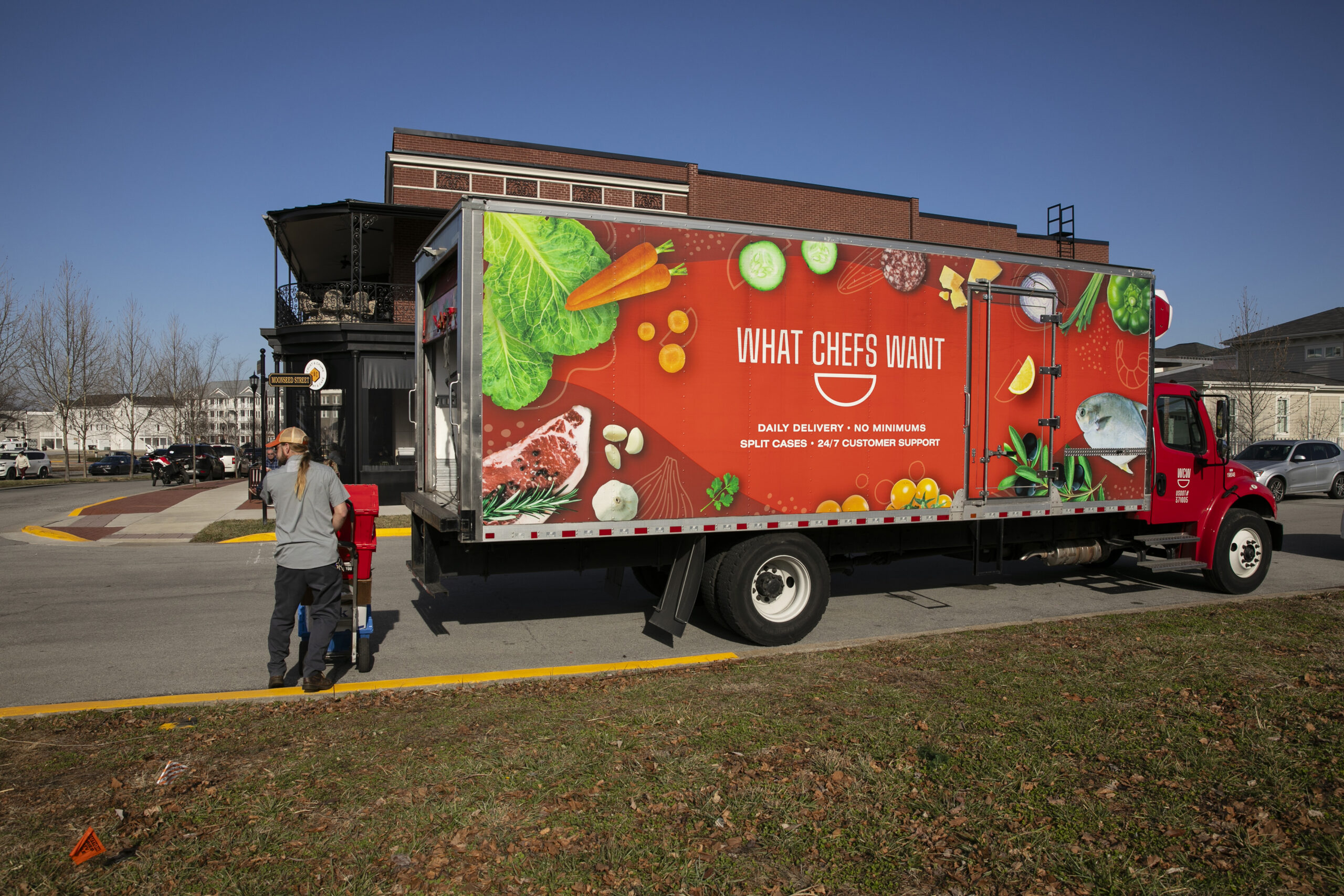
What Chefs Want is a chef centered distributor dedicated to exceptional service and unmatched convenience. The company offers fresh produce, meat, seafood, dairy, gourmet products, pantry staples, and to go and paper essentials, with daily delivery, no order minimums, split case quantities, and 24/7 customer support. The company’s online ordering platform provides a seamless and efficient experience for chefs and foodservice partners.
About Quality Cut Produce
Quality Cut Produce is a Florida-based fresh-cut produce company specializing in high-quality prepared fruits and vegetables for foodservice customers. The company is known for its commitment to food safety, consistency, and customer service.
When chefs search for a gourmet food distributor, they are usually looking for more than specialty ingredients. They need access to unique products, dependable inventory, competitive pricing, and a partner who understands how restaurants actually operate.
That is where What Chefs Want stands apart.
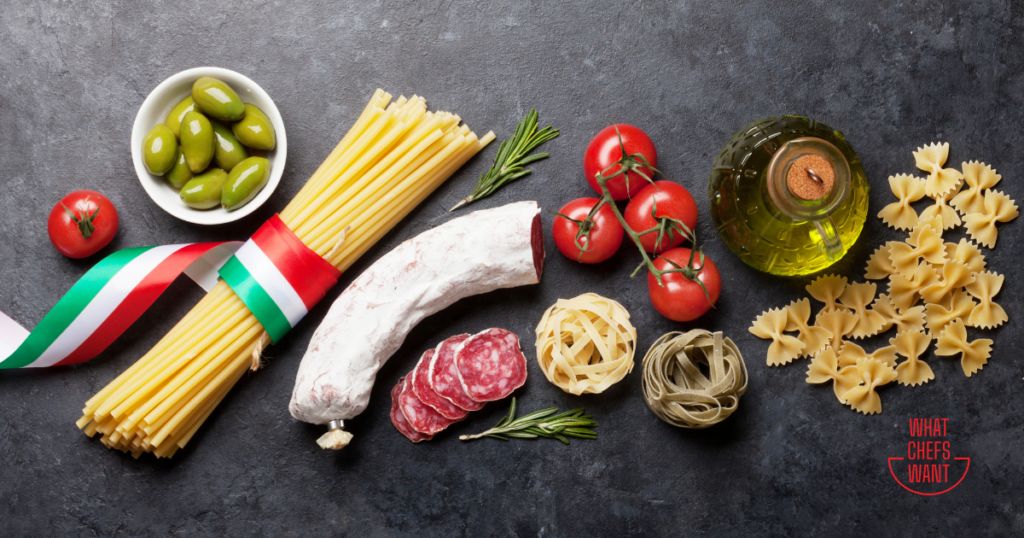
We have built our gourmet program around the way chefs buy, cook, and create menus every day. Whether you’re sourcing imported cheeses, premium chocolates, artisan cured meats, specialty oils, molecular gastronomy ingredients, or local small-batch products, our goal is simple: make it easier to find the ingredients that help your menu stand out. Our gourmet department includes thousands of imported, domestic, and artisanal products across more than a dozen specialty categories.
A Gourmet Food Distributor Built for Chefs
Many distributors offer specialty products. Few are built around the needs of independent restaurants and chefs.
At What Chefs Want, gourmet products are part of a larger service model designed specifically for professional kitchens. We offer:
Daily delivery in most markets
No order minimums
Split-case ordering
24/7 customer support
Online ordering designed for chefs
Access to both local specialties and global ingredients
These services allow chefs to order exactly what they need without tying up cash flow or valuable storage space. Rather than purchasing full cases of specialty ingredients that may sit on a shelf, kitchens can buy in quantities that make sense for their menus.
Direct Imports Help Deliver Better Value
One challenge with gourmet foods is cost.
Specialty imported products often change hands multiple times before reaching the kitchen, creating markups throughout the supply chain. To help solve that problem, What Chefs Want has expanded its direct-import program, bringing select gourmet products directly from Europe and other global sources. This approach allows us to offer chefs greater value while maintaining the quality and authenticity they expect.
For chefs, that means access to premium ingredients with pricing that can work in a real-world food cost model.
Gourmet Is Important. But It Shouldn’t Be Another Vendor You Have to Manage.
A lot of distributors can sell you gourmet products.
Fewer can also stock the produce, meat, seafood, dairy, pantry staples, and kitchen essentials your operation relies on every day.
That’s one of the biggest advantages of working with What Chefs Want.
At our core, we’re a produce company. Fresh produce is the heart of our business and has been since day one. That focus on quality, freshness, and daily delivery is what helped build our reputation with chefs.
Over the years, we’ve expanded that same chef-first approach into other categories, including meat, seafood, dairy, gourmet foods, staples, and to-go supplies.
What does that mean for your kitchen?
Instead of sourcing specialty cheeses from one company, seafood from another, produce from a third, and disposables from a fourth, you can consolidate more of your purchasing with a partner that understands how all of those categories work together in a real kitchen.
Whether you’re building a composed seasonal dish around local vegetables, finishing it with an imported cheese, pairing it with premium proteins, or stocking up on everyday necessities, it’s all available through a single distributor focused on helping chefs succeed.
wcw
Thousands of Gourmet Ingredients Under One Roof
A great gourmet supplier should help chefs source both foundational ingredients and the unique products that create memorable dining experiences.
Our gourmet department includes:
Artisan Cheeses
From creamy and delicate to bold and aged, our cheese selection includes premium imported varieties as well as exceptional regional and local producers.
Cured Meats & Charcuterie
Build better boards, sandwiches, and appetizers with imported specialties and local small-batch cured meats.
Premium Chocolates
European fine chocolates, pastry ingredients, and baking products that help elevate desserts and bakery programs.
Oils & Vinegars
From delicate finishing oils to artisanal vinegars, these ingredients add depth, complexity, and balance to countless dishes.
Specialty Pasta, Grains, and Beans
Classic staples and harder-to-find varieties that provide chefs with more possibilities across their menus.
Asian Ingredients
Authentic products that bring regional flavors and modern culinary creativity together in kitchens across every cuisine segment.
Molecular Gastronomy
Ingredients and tools that help chefs experiment with modern techniques and innovative presentations.
Dried Mushrooms, Purees, Specialty Flours, and Spices
The building blocks that add depth, flavor, consistency, and creativity to dishes throughout the menu.
Local and Global in the Same Order
Many chefs face a frustrating choice: work with one supplier for specialty imports and another for local products.
We don’t think it should work that way.
What Chefs Want combines gourmet imports with regional sourcing programs, giving chefs access to local cheeses, small-batch sauces, jams, specialty products, and seasonal offerings alongside ingredients imported from around the world.
That means fewer vendors to manage, fewer invoices to process, and more time spent focused on the menu.
Why Restaurants Switch to What Chefs Want
The most common reasons chefs choose What Chefs Want aren’t just about products.
It’s about convenience.
It’s about having a distributor that understands a busy Friday night, a last-minute menu change, or the reality of limited cooler space.
Daily delivery, split cases, specialty sourcing, local products, direct imports, and responsive service work together to create something many gourmet suppliers struggle to provide: flexibility.
wcw
Looking for a Gourmet Food Distributor?
Whether you’re developing a new charcuterie program, upgrading your dessert menu, sourcing imported ingredients, or searching for specialty products your current distributor can’t find, What Chefs Want can help.
With thousands of gourmet products, direct-import relationships, local sourcing programs, and a service model built specifically for chefs, we make it easier to bring exciting ingredients into your kitchen without adding complexity to your operation.
Ready to explore our gourmet selection? Become a customer and discover why chefs across the country trust What Chefs Want for gourmet foods, specialty ingredients, and culinary inspiration right along with their produce, meat, seafood, dairy and staples.
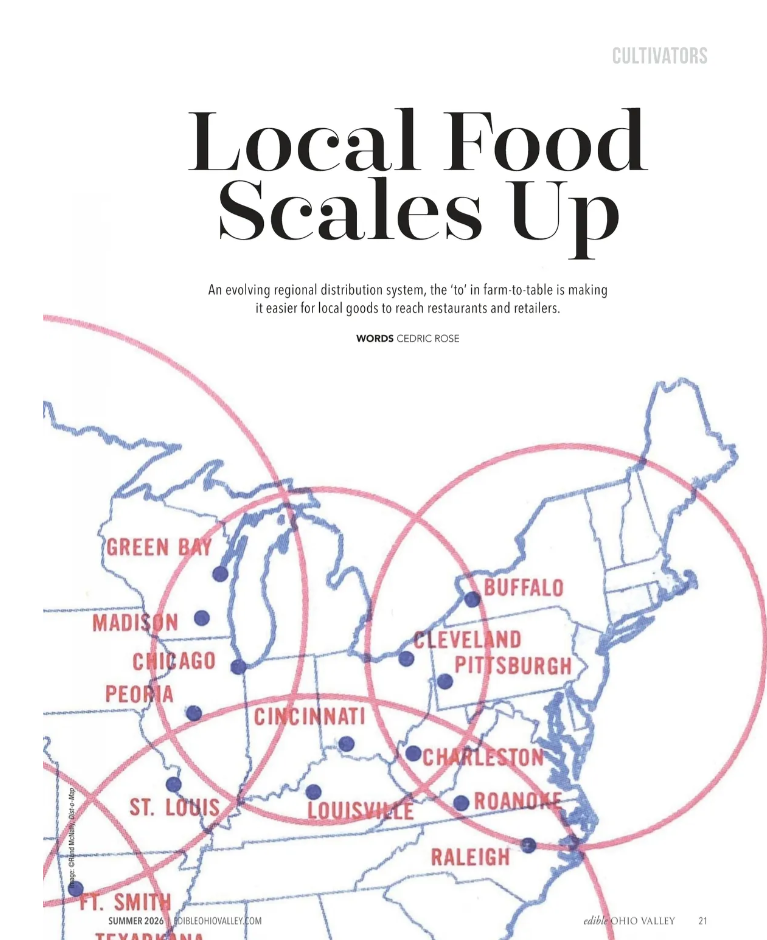
Edible Ohio Valley took a real look at what it actually takes to make local food work, not just in theory, but on a day‑to‑day, operational level. The piece highlights our Local Foods Connection program as part of that bridge between farms and kitchens, digging into the logistics, relationships, and infrastructure it takes to consistently get regional product where it needs to go. It’s a strong reminder that supporting local isn’t just a mindset, it’s a system that has to function at scale for chefs, schools, and institutions to rely on it.
“Supporting local takes more than good intentions. It requires consistent planning between farms, customers, and distributors to get the right products in a predictable timeframe.”
If you care about where your food comes from and how it actually gets to your kitchen, this one’s worth the read. Click the image below to read the full article!
Cheese can be simple. It can also be wildly complex. That’s part of the fun.
Whether you’re building a charcuterie board, finishing a pasta, stuffing a burger, or dialing in a seasonal special, understanding cheese styles helps you choose the right product for flavor, texture, melt, and performance in your kitchen.
We know chefs don’t have time to hunt through hundreds of options for the right cheese.
That’s why in the What Chefs Want ordering app, you can filter and sort cheeses by:
Milk type (cow, goat, sheep, blends)
Style
Texture
Shape or format (block, wheel, sliced, shredded, crumbled)
Country of origin
Region (filter by state to find your local options)
Need a firm sheep’s milk cheese from Italy in shredded format? You can find it fast. Check out our quick video showcasing how you can use our filters to easily find what you are looking for.
Now, let’s break down the main cheese styles and talk about how to actually use them in a working kitchen.
Fresh Cheeses
Examples: Mozzarella, Ricotta, Quark Style: Unaged, high moisture Texture: Soft, mild, creamy Production: Fresh set cheese
Fresh cheeses are all about clean dairy flavor. They’re not aged, so they stay mild, slightly tangy, and creamy.
Why chefs love them:
High moisture means excellent melt (think fresh mozz on pizza).
Mild flavor lets other ingredients shine.
They add richness without overpowering.
Menu ideas:
Fresh mozzarella layered with roasted tomatoes and basil oil.
Whipped ricotta with hot honey and grilled sourdough.
Ricotta folded into pasta fillings or gnocchi.
Quark in savory cheesecakes or dips.
Pro tip: Because of their moisture, fresh cheeses can release water during baking. Drain or temper as needed for consistent results.
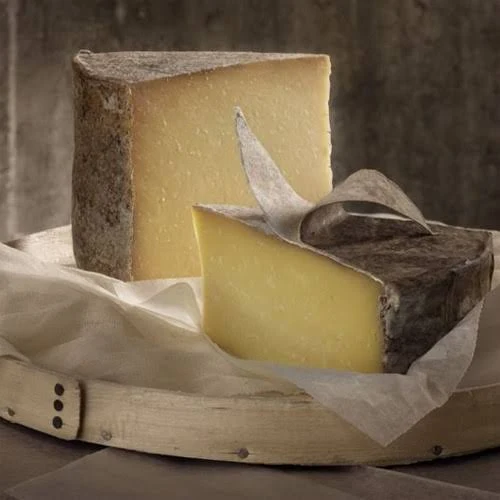
Originally made in mountain regions for long storage, these cheeses are built for performance.
Why chefs love them:
Excellent melt without breaking.
Deep, savory flavor.
Great browning in gratins.
Menu ideas:
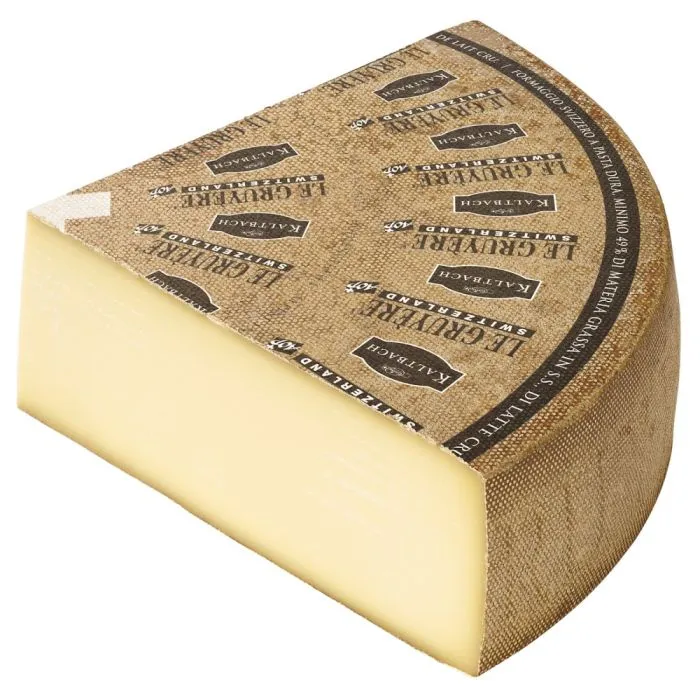
French onion soup with Gruyère broiled on top.
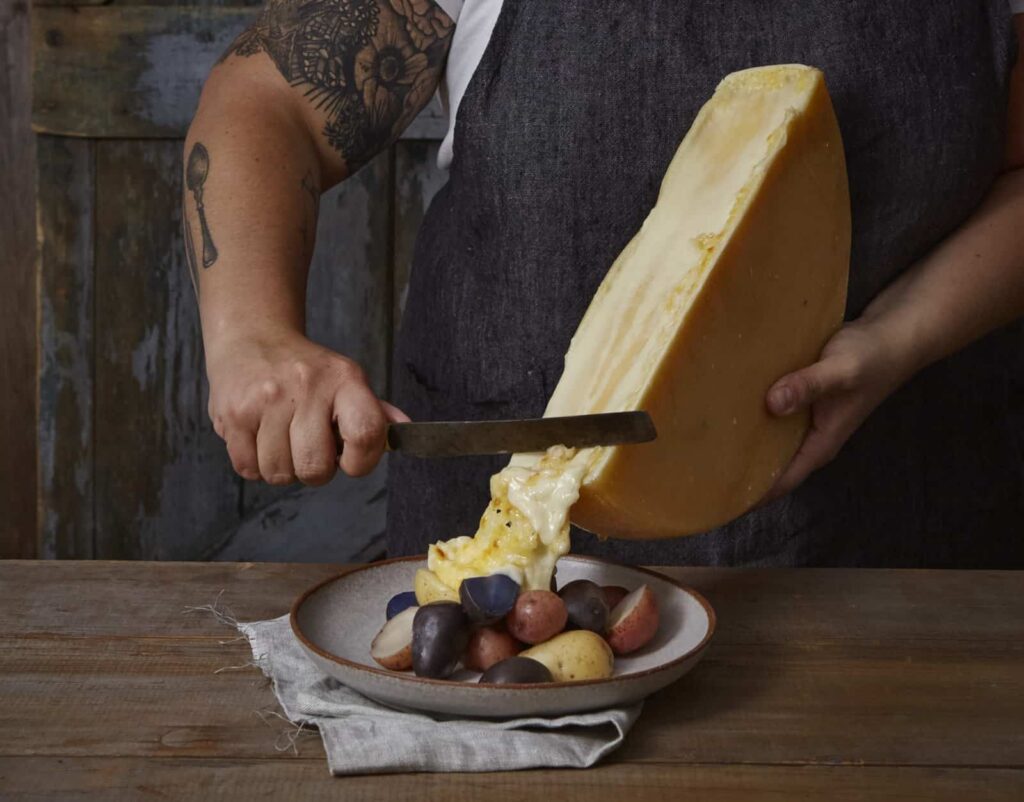
Raclette over roasted potatoes and charred vegetables.
Comté in a next-level grilled cheese.
Shaved Alpine cheese on burgers for a richer melt.
If you want structure and stretch without oiling off, Alpine cheeses are your friend.
Bloomy Rind Cheeses
Examples: Brie, Camembert, Triple Cream Style: Soft-ripened with white mold rind Texture: Creamy interior that softens as it ages Flavor: Buttery, mild, slightly mushroomy Production: Surface ripened
These are your luxurious, creamy crowd-pleasers.
Why chefs love them:
They ooze when baked.
They pair beautifully with fruit, nuts, and cured meats.
They elevate small plates instantly.
Menu ideas:
Baked Brie with bourbon peach compote.
Brie and caramelized onion flatbread.
Triple cream on a cheese board with house pickles.
Camembert stuffed into a chicken roulade.
Let them come to temp before serving for the best texture.
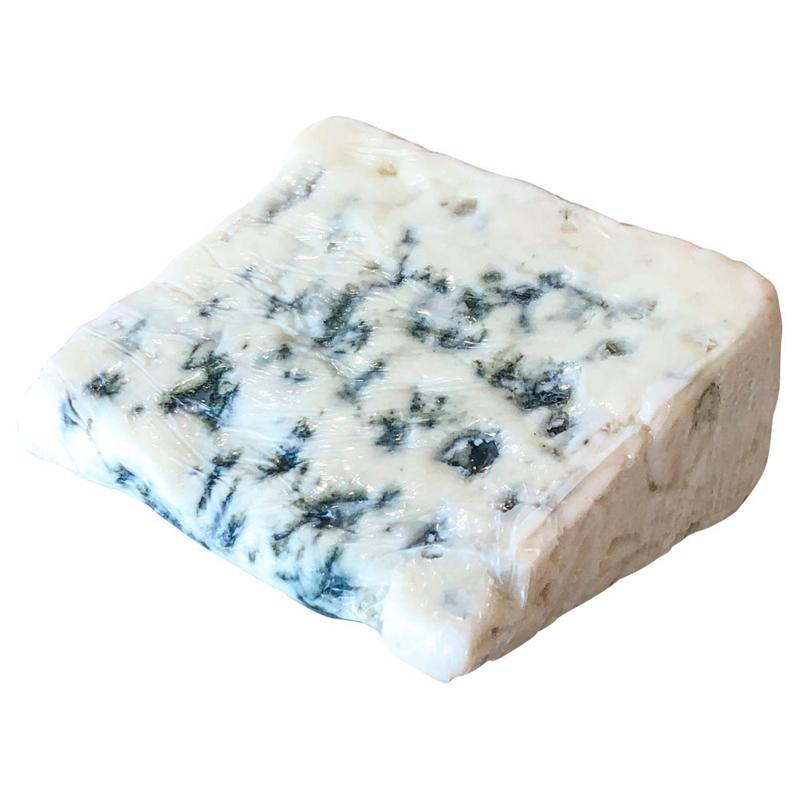
Blue Cheeses
Examples: Gorgonzola, Roquefort, Stilton Style: Internally mold-ripened Texture: Creamy to crumbly Flavor: Bold, tangy, sharp Production: Inoculated and pierced for blue veining
Blue cheese brings attitude.
Why chefs love them:
Big flavor in small amounts.
Balances sweetness and fat.
Cuts through rich dishes.
Menu ideas:
Blue cheese compound butter for steaks.
Gorgonzola cream sauce for pasta.
Roquefort with pears and candied walnuts.
Blue cheese dressing made in-house for wings.
Use it strategically. A little goes a long way.
Cheddar-Style Cheeses
Examples: Cheddar, Colby, Pepper Jack Style: Firm, aged Texture: Sliceable to crumbly Flavor: Mild to sharp Production: Cheddared curd, pressed and aged
A kitchen staple for a reason.
Why chefs love them:
Predictable melt.
Broad flavor range.
Great for slicing, shredding, or cubing.
Menu ideas:
Sharp cheddar mac and cheese.
Pepper Jack on burgers or breakfast sandwiches.
Aged cheddar shaved over soups.
Colby in quesadillas.
Sharpness increases with age, so match the age to the role it plays on your plate.
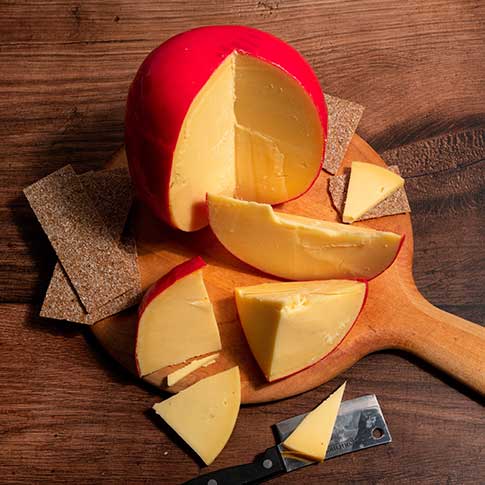
Gouda-Style Cheeses
Examples: Gouda, Edam, Young Dutch cheeses Style: Washed curd, pressed and aged Texture: Smooth, sliceable Flavor: Mild and slightly sweet (younger) to caramel-like (aged)
Gouda gives you versatility.
Why chefs love them:
Smooth melt.
Subtle sweetness.
Excellent snacking or sandwich cheese.
Menu ideas:
Smoked Gouda in mac and cheese.
Aged Gouda shaved over roasted root vegetables.
Gouda on grilled turkey sandwiches.
Edam cubes for composed salads.
Aged versions bring deeper, almost butterscotch notes that work beautifully in fall or winter menus.
Pasta Filata Cheeses
Examples: Provolone, Scamorza, Caciocavallo, Mozzarella Style: Stretched curd cheeses Texture: Elastic, smooth, great melt Flavor: Mild to savory depending on age Production: Curds are heated and stretched before forming
“Pasta filata” literally means spun paste in Italian. After the curds form, they’re heated and stretched until they become smooth and elastic. That stretching process is what gives these cheeses their signature pull, stretch, and melt.
Why chefs love them:
Exceptional melt and stretch
Great browning under high heat
Versatile across cuisines
Menu ideas:
Fresh mozzarella for Neapolitan-style pizza.
Provolone on cheesesteaks, Italian subs, or baked pasta.
Smoked scamorza melted over roasted vegetables.
Caciocavallo shaved over grilled meats or pasta.
These cheeses shine in high-heat applications, which is why they’re staples in pizza ovens, broilers, and sandwich stations.
Italian Hard Cheeses
Examples: Parmigiano Reggiano, Grana Padano, Pecorino Romano Style: Hard, long-aged cheeses Texture: Dry, granular, crumbly Flavor: Salty, nutty, deeply savory Production: Cooked curd, pressed and aged for long periods
Italian hard cheeses are the workhorses of professional kitchens. These cheeses are aged for months or years, which concentrates flavor and creates their signature crystalline texture.
Why chefs love them:
Huge umami impact
Long shelf life
Excellent for grating, shaving, and finishing dishes
Menu ideas:
Freshly grated Parmigiano Reggiano over pasta or risotto.
Pecorino Romano in cacio e pepe or carbonara.
Shaved Grana Padano over salads and roasted vegetables.
Parmesan rinds added to soups and stocks for depth.
Pro tip: Save the rinds. Parmesan and Grana rinds add incredible flavor to soups, braises, and tomato sauces.
Processed & Emulsified Cheeses
Examples: American cheese, cheese sauce Style: Blended and emulsified Texture: Smooth, consistent Flavor: Mild and creamy
Let’s be honest. There’s a place for these.
Why chefs love them:
Ultra-consistent melt.
Stable under heat lamps.
Extended shelf life.
Menu ideas:
Smash burgers.
Loaded fries.
Queso for high-volume service.
Breakfast sandwiches that need reliability.
If you need flawless melt every time, this is your workhorse.
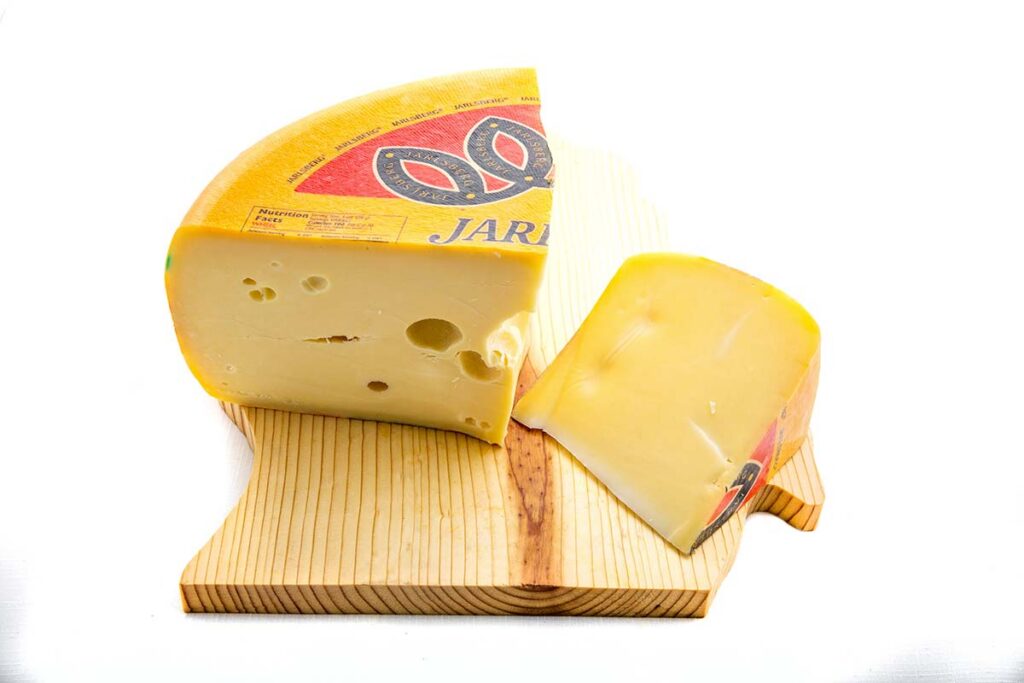
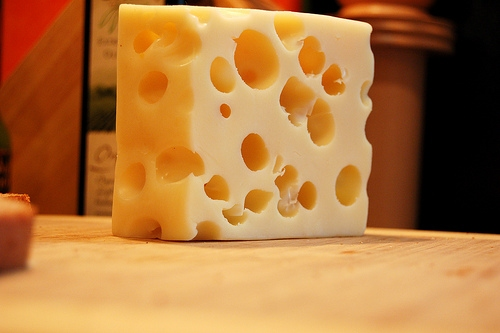
Those holes? They come from gas-producing cultures during aging.
Why chefs love them:
Mild flavor with great melt.
Clean slice for deli applications.
Balanced nuttiness.
Menu ideas:
Classic Reuben.
Croque monsieur.
Swiss and mushroom omelet.
Chicken cordon bleu.
A safe but elevated option for sandwiches and hot applications.
Washed Rind Cheeses
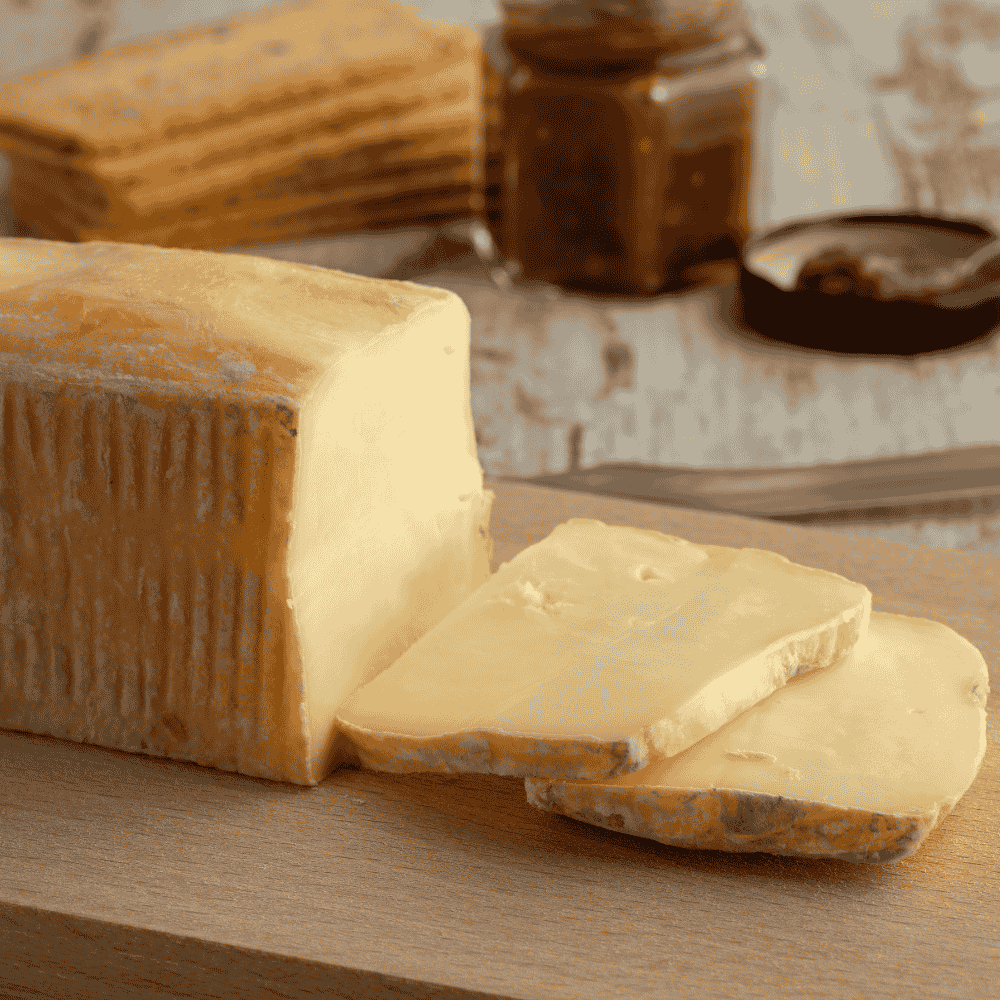
Examples: Muenster, Taleggio, Limburger Style: Surface-washed during aging Texture: Soft to semi-soft Flavor: Strong aroma, rich and savory
They smell bold. They taste incredible.
Why chefs love them:
Deep savory character.
Unique flavor profile.
Memorable on cheese boards.
Menu ideas:
Taleggio in risotto.
Muenster on a grilled sandwich.
Washed rind melted into a cream sauce for roasted vegetables.
Feature on a chef’s tasting board.
If you want something that gets people talking, this is it.
FAQ: Cheese for Chefs
How should chefs choose cheese for their menu?
Consider:
Melt behavior
Moisture level
Flavor intensity
Pairing ingredients
Dish format (shredded, sliced, crumbled)
Using filters like milk type, style, texture, format, and origin makes it easier to match cheese to application.
What’s the difference between bloomy rind and washed rind cheese?
Bloomy rind cheeses are surface-ripened with white mold and are typically mild and creamy. Washed rind cheeses are rinsed during aging, which creates stronger aromas and deeper savory flavors.
What makes blue cheese blue?
Blue cheese is inoculated with specific mold cultures and pierced during aging to allow oxygen in. This creates the blue-green veins and bold flavor.
How does aging affect cheese flavor?
As cheese ages, moisture decreases and flavors concentrate. Young cheeses are mild and creamy, while aged cheeses become firmer, sharper, nuttier, and more complex.
How should chefs store different types of cheese?
Store cheese in breathable wrap (cheese paper or parchment with loose plastic wrap) to prevent drying out while avoiding trapped moisture. Keep most cheeses between 34–38°F. Soft cheeses should be stored separately from strong or blue cheeses to prevent flavor transfer. Always let cheese temper before service for best texture and flavor.
How long does cheese last once opened in a commercial kitchen?
It depends on the style.
Fresh cheeses: 5–7 days.
Soft-ripened cheeses: 1–2 weeks.
Semi-hard and hard cheeses: 2–4 weeks if properly wrapped.
Blue cheeses: 2–3 weeks.
Always monitor for ammonia smell, excessive mold (beyond natural rind), or texture breakdown.
Can chefs freeze cheese?
Most hard and semi-hard cheeses can be frozen for cooked applications, but texture will change and become crumbly. Fresh and soft cheeses do not freeze well. Frozen cheese is best used in sauces, soups, or baked dishes rather than slicing or boards.
What cheese works best for cheese boards?
Build contrast:
One soft (Brie or bloomy rind)
One firm (Cheddar or Gouda)
One bold (Blue or washed rind)
One aged or nutty (Alpine or aged Gouda)
Balance milk types, textures, and intensities for a more dynamic board.
How do chefs prevent cheese from breaking in sauces?
Use lower heat and avoid boiling. Add cheese gradually off heat. Alpine, young cheddar, and processed cheeses are more stable. A small amount of starch (like in a roux) or sodium citrate can help emulsify and prevent separation.
What’s the best cheese for high-heat applications like pizza or broilers?
Low-moisture mozzarella, Alpine cheeses, and young cheddar perform well. They melt evenly and brown without excessive oil separation. Fresh mozzarella is better for lower-moisture bakes or when water release is managed.
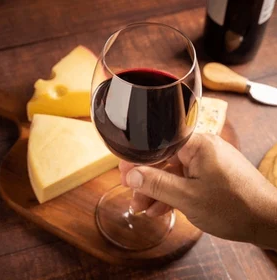
What cheese pairs best with wine or beer on menus?
Alpine cheeses pair well with lagers and nutty white wines.
Blue cheeses work with sweet wines and stouts.
Cheddar pairs with IPAs and bold reds.
Fresh cheeses pair with crisp whites and light beers.
Pairing by intensity is key. Match strong with strong and mild with mild.
What’s the difference between cow, goat, and sheep milk cheese?
Cow milk cheeses are typically creamy and balanced.
Goat milk cheeses are tangy and bright.
Sheep milk cheeses are rich, slightly sweet, and higher in fat.
Milk type impacts flavor, texture, and menu positioning.
How do chefs reduce cheese waste?
Trim rinds for stock or sauces where appropriate.
Use aging ends in compound butters or gratins.
Cross-utilize trim in mac and cheese or fillings.
Order by format (shredded, sliced, crumbled) to match your prep needs.
Using format filters in the What Chefs Want app helps control waste and labor.
What’s the difference between natural and processed cheese?
Natural cheese is made from milk, cultures, and enzymes, then aged. Processed cheese blends natural cheeses with emulsifiers for consistent melt and shelf stability. Each has a place depending on the application.
How do chefs choose cheese based on texture?
Soft and creamy: spreads, boards, stuffing
Semi-soft: melting, sandwiches
Firm: slicing, shredding, cooking
Hard: grating, finishing
Texture affects both flavor release and plating.
What cheese works best for mac and cheese?
A blend works best. Combine a flavorful cheese (sharp cheddar, Gouda, Gruyère) with a high-melt cheese (young cheddar or American) for balance between flavor and texture.
What’s the best cheese for burgers?
For a classic melt, American cheese is the most reliable. For more flavor, try cheddar, Alpine-style cheeses, or pepper jack.
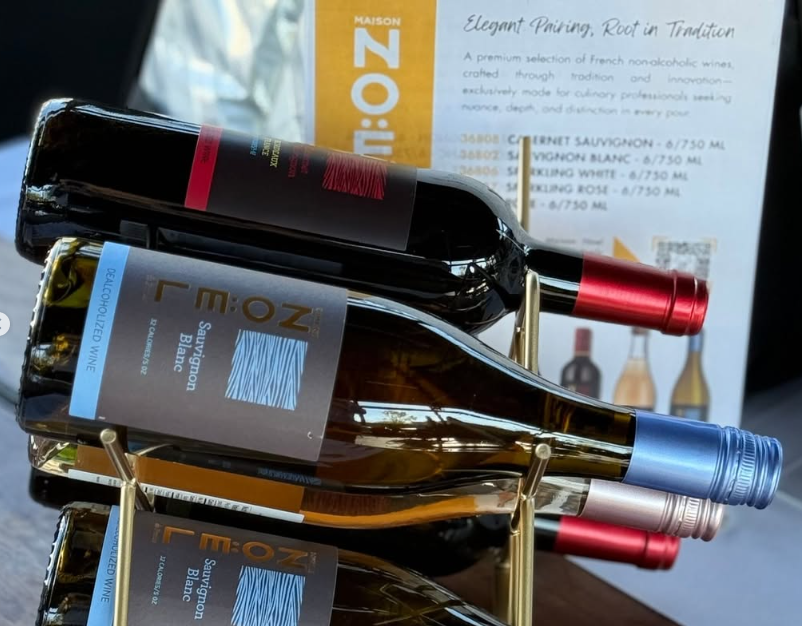
Alcohol-free wine has come a long way, but many chefs still approach it with skepticism. According to Francois Latapie, brand ambassador for Maison Noel de France, that reputation comes from misunderstanding what dealcoholized wine can be when it starts with the right foundation.
We sat down with Francois to talk about his background, the evolution of alcohol-free wine, and why chefs are uniquely positioned to rethink how these wines belong at the table.
Q: Can you share a bit about your background and how you found your way into the wine world?
Francois: “I actually have a food & beverage background. I went to hotel and restaurant school in France. I cooked for seven years in really fancy kitchens, then moved into service and management. I worked in top restaurants, and eventually I went on my own and managed my own restaurants for about 30 years.”
Wine, he explains, was never optional. “It was always and still is more than ever a necessity. You integrate wine into the business, into the food, into the experience. I started visiting vineyards, became friends with winemakers, and developed a huge interest not just in wine, but in the wine world. The people. The obsession of finding great bottles and sharing them over great meals.”
That lifelong connection to food and hospitality eventually led him into consulting and, unexpectedly, into non-alcoholic wine.
Q: What first inspired the focus on dealcoholized wine at Maison Noel de France?
Francois: “The new non-alcoholic products were actually made by beer makers. Twenty years ago, if I told you to drink a non-alcoholic beer, you would look at me like I was from another planet. But they changed that.” Wine followed.
He explains that the technology to remove alcohol has existed for decades, particularly in Germany. “The Germans actually invented the process in the 1920s. It was more about chemistry, about process and technology. But nobody thought it could become a product people would enjoy.”
Once non-alcoholic beer succeeded, wine followed. “People realized you don’t need to be a wine-producing country to make a non-alcoholic wine. You need the tools. You need the process.”
After tasting hundreds of options globally, Francois and his team saw a clear difference in quality.
“We want to always be dealcoholized wine,” he says. “That means real wine first. Then you remove the alcohol. Not aromatic water with spices and berries.”
Q: Many chefs associate alcohol-free wine with sweetness or lack of depth. Why does that happen?
Francois: “It’s sweet when it’s cheap. Sweetness is introduced to compensate for the lack of alcohol. If you invest more, not just money but interest, and you start with a real wine, the result will not be sweet.”
He compares it to baking. “If you take a good chocolate, you can make a good chocolate cake. If your chocolate only has five percent cocoa, you already lost. It’s the same thing with dealcoholized wine.”
For Maison Noel de France, that means starting with wines that already have structure, acidity, and balance before alcohol is ever removed.
Q: Without getting too technical, how do you describe the care that goes into preserving aroma and structure?
Francois: “You need the same thing you need to make great wine. A really good winemaker. Good tools. And knowledge.”
He’s quick to point out that the process keeps improving. “They learn every day. Ten years ago, five years ago, even last year, it wasn’t the same. No one expects a dealcoholized Bordeaux to be exactly like a real Bordeaux. But every year, it gets closer.”
He compares it to technology. “Think about your phone. Your old one was good, but the new one is even better. That’s what’s happening here.”
Q: How do you talk to chefs who don’t currently offer alcohol-free wine pairings?
Francois: “I would rather someone drink dealcoholized red wine with their steak than drink mineral water or soda.”
He believes chefs naturally understand this. “Wine is like food. It has many dimensions. It’s liquid, but it’s something you pair with what you eat. Chefs always think about harmony.”
At a recent chef tasting, he saw firsthand how pairing changes perception. “When chefs taste the wine with food, they get it. They understand it belongs at the table.”
He adds that offering choice matters. “Some people don’t drink for health reasons, religious reasons, or they just want a break. Let the customer decide.”
Q: What do you enjoy most about talking to chefs about these wines?
Francois: “I used to be a chef, so I know how they think. They speak with their heart. Food is their language.”
He encourages chefs to stay curious. “Break the wall between the kitchen and the dining room. The restaurant is a whole thing. Think about your guests and please them as much as you can.”
Why Chefs Should Care
Maison Noel de France isn’t trying to replace traditional wine. It’s offering chefs another way to protect the integrity of their food while meeting modern guest expectations. These wines are built for pairing, balance, and choice.
As Francois puts it: “This is about creating harmony between what people eat and what people drink, without forcing them to include alcohol.”
You guide to storage and serving Maison Noel wines:
White, Rosé & Sparkling Wines – Serve chilled. Once opened, keep refrigerated 32°F to 39°F and consume within the day.
Red Wine Serve cold 55°F – Store in a cool, dry and odorless place. Once opened, keep refrigerated 32°F to 39°F and consume within the day.
Find Maison Noel de France Wines at WCW:
Choose your region below to see the Maison Noel wines available for purchase:
What Chefs Want’s take on the shifts shaping menus in the year ahead
The pace of change in food and beverage hasn’t slowed. If anything, 2026 is shaping up to be a year defined by high-functioning ingredients, bold flavor work, and a return to timeless cooking foundations. For chefs, these trends signal new ways to design menus that are both practical and full of character. Below is a look at the movements gaining momentum and how WCW can help keep kitchens stocked for whatever comes next.
1. Powerhouse Protein
Protein is still ruling the conversation, but the story is getting more nuanced. Consumers want foods that satisfy, support wellness goals, and feel like a treat at the same time. That means protein is showing up in classic formats and unexpected places.
For chefs, this opens a lane to build dishes that feel indulgent without drifting into the overly heavy. High-protein desserts, savory takes on protein-packed breakfast bowls, and globally inspired preparations of plant-based proteins are becoming more common.
WCW can support this shift with a wide range of animal and plant proteins, along with specialty items like mung bean for operators who want to test out new formats on limited-time menus.
2. Gut Health and the Fiber Foothold
Fiber is having its moment again, and diners are paying attention to how certain ingredients make them feel. Prebiotic roots, functional beverages, and fiber-enriched pantry staples are fueling interest in foods that support digestion without sacrificing taste.
Chefs can tap into this movement by using more whole-grain pastas, legumes, fermented products, and produce-driven sides. Beverages with prebiotic add-ins or fiber-rich snacks for grab-and-go programs fit neatly into the trend as well.
WCW offers everything from ancient grains and specialty beans to kombuchas and fermented ingredients, making it easy to layer digestive benefits into recipes without reinventing the wheel.
3. Ancestral and Traditional Ingredients Make a Comeback
Tallow, heritage fats, and techniques rooted in older culinary traditions are returning. Diners are curious about the flavor and texture that come from ingredients their grandparents used, especially when paired with modern plating or refinement.
Chefs can bring depth and nostalgia to menus with tallow-fried potatoes, butter-forward sauces, vinegar-driven condiments, or house-made tonics. These ingredients pair well with simple preparations that let the natural character shine.
WCW sources a range of premium fats, global vinegars, and traditional pantry staples that help chefs explore these throwback flavors with consistent supply and quality.
4. Smarter, More Functional Beverages
Drinks are now expected to work harder. Consumers are gravitating to beverages that provide focus, calm, energy, or nourishment.
For chefs, this can influence both nonalcoholic programs and daypart expansions. Think house-made adaptogen lattes, RTD functional drinks at the counter, prebiotic spritzers, or hydration-focused mocktails that feel elevated but still practical.
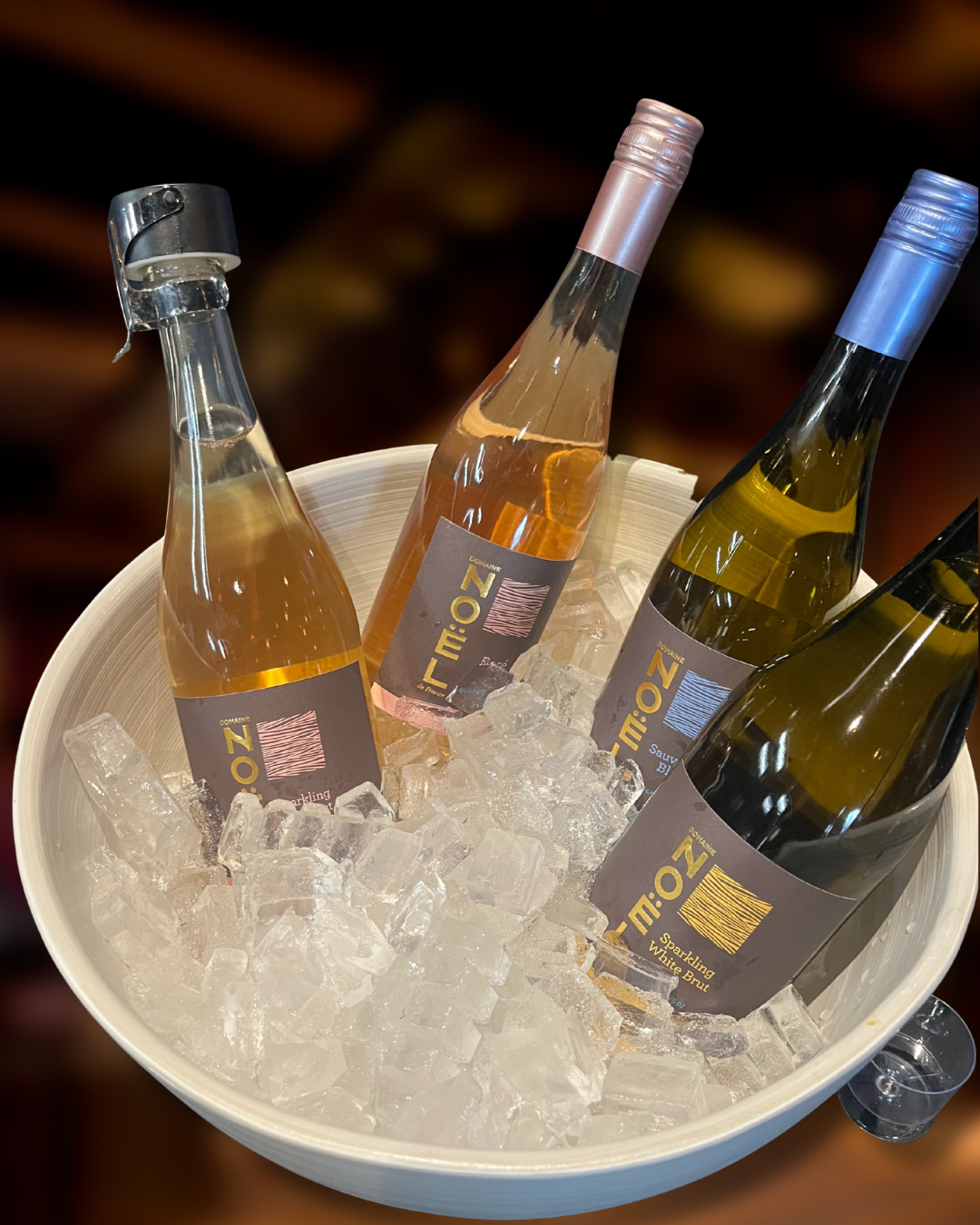
WCW’s beverage lineup includes options designed for wellness-focused drink programs as well as ingredients to craft signature functional beverages in-house. We also have a line of dealcoholized wines, Maison Noel de France, that preserves the wine’s original structure, nuance and character, while removing the alcohol.
5. Flavor Innovation: Sweet, Spicy, Savory Layers
The boundary between categories is fading. Chefs are experimenting with combinations that blend sweet with spicy, tangy, or savory components.
This presents an opportunity to rethink sauces, glazes, desserts, and even beverages. Highlights include chili-spiked sweets, layered vinaigrettes, or desserts featuring unexpected spices. Global ingredients like gochujang, Aleppo pepper, and Chantico agave syrup fit squarely into this shift.
WCW’s global pantry makes it simple for chefs to test new combinations and introduce bold signatures that stand out.
6. Mindful Indulgence and Justified Choices
Consumers want to indulge, but they want to feel good about it. That has sparked interest in sweets and snacks made with straightforward ingredients like honey, fruit concentrates, maple syrup, and minimally processed chocolate.
Chefs can respond with pastries sweetened naturally, desserts with transparent ingredient stories, or premium treats built around craftsmanship and clean labels. A focus on balance can keep menus appealing to diners looking for something satisfying that still aligns with their values.
WCW carries a range of natural sweeteners, artisan chocolates, and premium baking ingredients that support this shift toward honest, simple indulgence.
7. Time and Occasion-Based Formats
More diners are eating in micro-moments: during commutes, between meetings, or while unwinding alone. Products tailored to these small, specific windows are on the rise.
For chefs, this can mean rethinking portion sizes and packaging. Single-serve desserts, snackable proteins, grab-and-go bowls, and comforting offerings designed for “me-time” can help operators capture occasions beyond traditional mealtimes.
WCW helps kitchens build these formats with ready-to-eat items, portioned proteins, convenient packaging options, and premium bases that hold well for grab-and-go.
8. Sustainability, Ethical Sourcing, and Transparency
Diners want to know where food comes from and how it was produced. That includes a renewed interest in animal welfare, regenerative agriculture, and heritage production methods.
Chefs can lean into storytelling here. Dishes built around pasture-raised meats, traceable seafood, small-batch dairy, or region-specific produce help meet guest expectations and strengthen brand identity.
WCW’s vendor partnerships, local sourcing programs, and transparent product information make it easier for chefs to highlight integrity and sustainability throughout the menu. You can easily find our Local options via our ordering app or visit our What’s Local Now page to see a list of local produce that is ready for you now!
9. Rediscovery of Dairy
Dairy is regaining ground, particularly in wellness-leaning formats like probiotic dairy drinks, cultured products, and high-protein dairy snacks.
Chefs can refresh dairy applications with kefir-based dressings, cultured-cream desserts, whipped butters, or yogurt-forward sauces. Combining classic dairy flavors with modern nutrition cues is a strategic way to meet demand.
WCW continues to expand access to premium dairy lines, specialty cheeses, and cultured products for chefs ready to explore this return-to-real movement.
Global Behavior Themes Shaping 2026
Across these ingredient and format trends, several broad consumer patterns are influencing how diners choose food:
Relaxed sociability – More guests are gathering casually, often earlier in the day. Coffee bars, brunch offerings, and lighter social plates align well with this shift.
Time for me – Self-care minded diners want comforting, nurturing food moments. Warm beverages, personal-sized treats, and calming flavors support this trend.
Vitality and longevity – Diners are looking at food as a long-term investment. Whole ingredients, functional add-ins, and balanced preparations appeal to guests thinking about tomorrow as much as today.
Justified choices – Value still matters, but diners don’t want to compromise on flavor or ethics. Chefs who communicate sourcing and intent help build trust.
WCW’s assortment, flexible ordering, and focus on service give chefs room to test ideas, respond quickly, and keep costs aligned with demand.
Attribution
Thanks to Olivier Geyer for contributing to this blog! Based on insights from Innova Market Insights, FoodNavigator, Whole Foods Market, Forbes, Food Business News, Grocery Business Magazine, Nasdaq, IFT, The Food Institute, Better Homes and Gardens, Business Insider, and other food and beverage industry sources.
As takeout and delivery continue to shape the future of foodservice, having durable, dependable, and sustainable packaging is more important than ever. Customers expect convenience, but they also care about the environmental footprint of their dining choices. With World Centric compostable specialty containers, you can deliver the same high-quality dining experience your guests enjoy in-house—while staying true to your commitment to sustainability.
From tacos to salads to burrito bowls and loaded hoagies, World Centric specialty compostable containers are designed to protect your food, elevate your presentation, and keep petroleum-based plastics out of landfills.
Durable Compostable Products to Help You Serve the Best Takeout
World Centric offers a complete line of sturdy, plant-based takeout containers that meet the needs of modern foodservice operations. Whether you’re running a restaurant, deli, food truck, grocery store, or café, our specialty containers provide a safe and secure way to package meals on the go—without sacrificing performance or appearance.
Specialty Compostable Containers for Every Menu Item
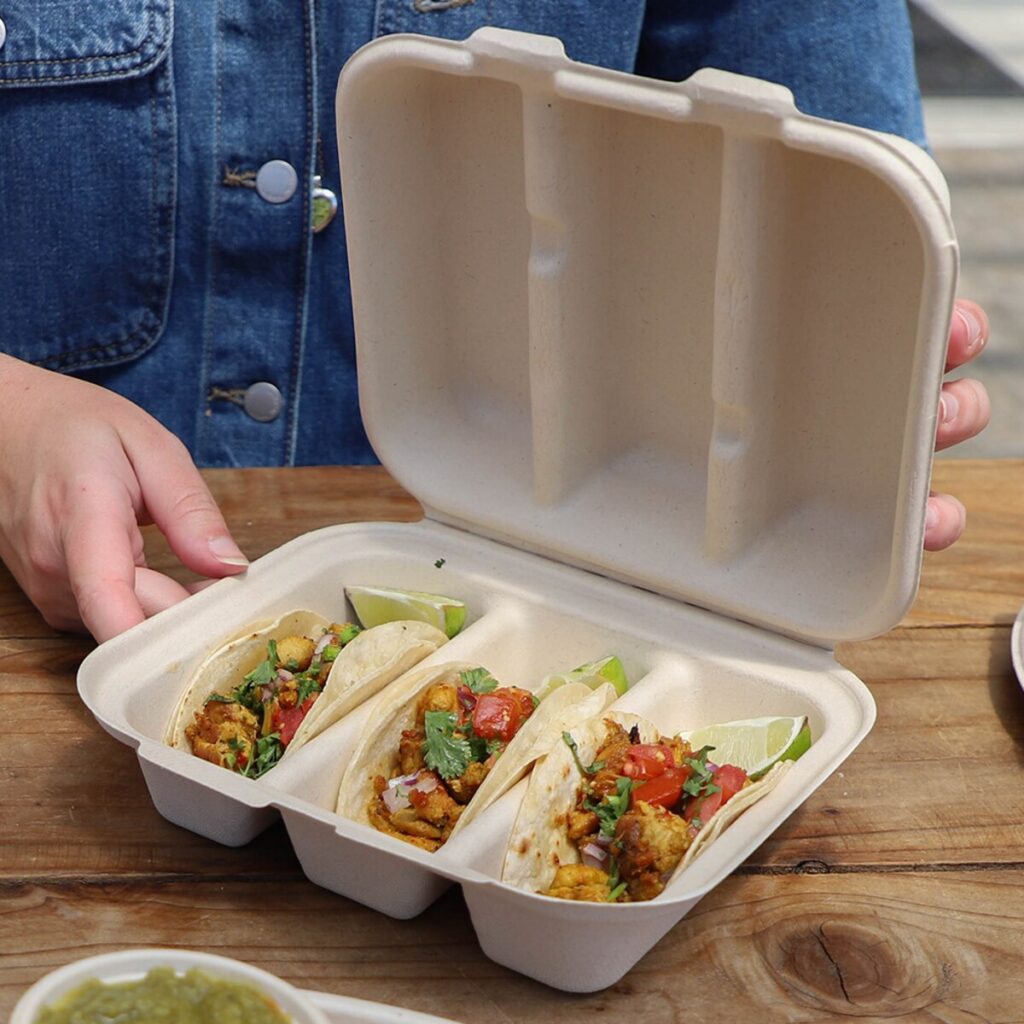
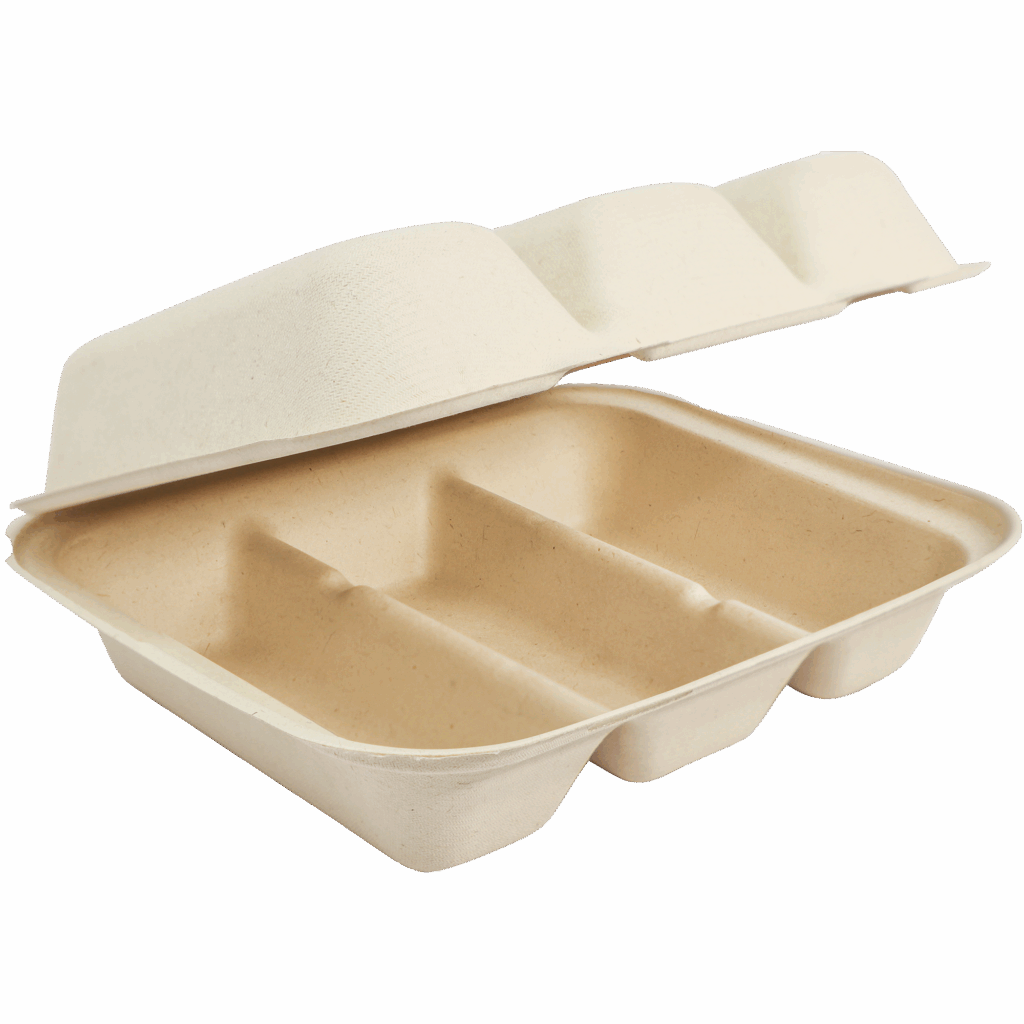
Taco Box: Keeps tacos upright, fresh, and intact from kitchen to customer with durable molded fiber that resists leaks and sogginess.
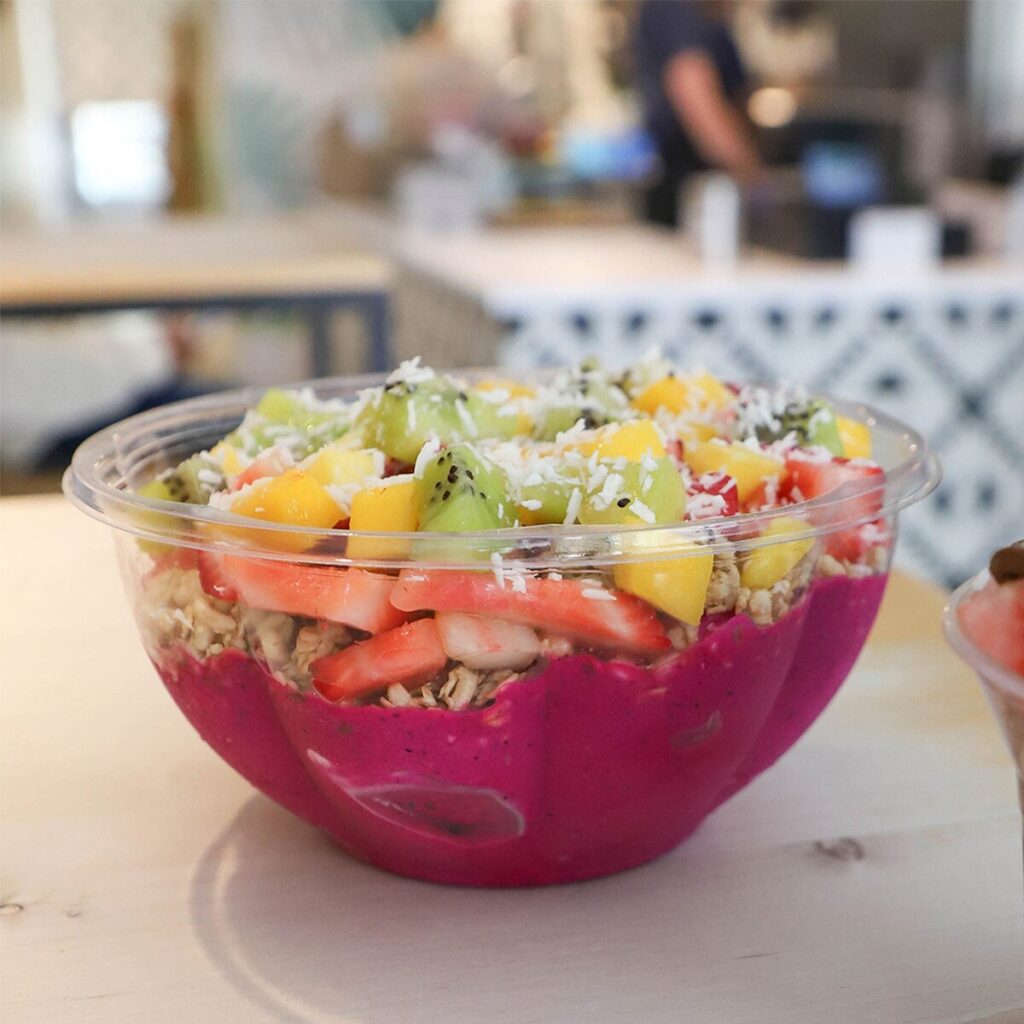
Salad Bowl: Made from PLA, a compostable plastic derived from plant sugars, and perfect for salads, açai bowls, and other cold entrées. Freezer safe and crystal-clear to show off your signature dishes.
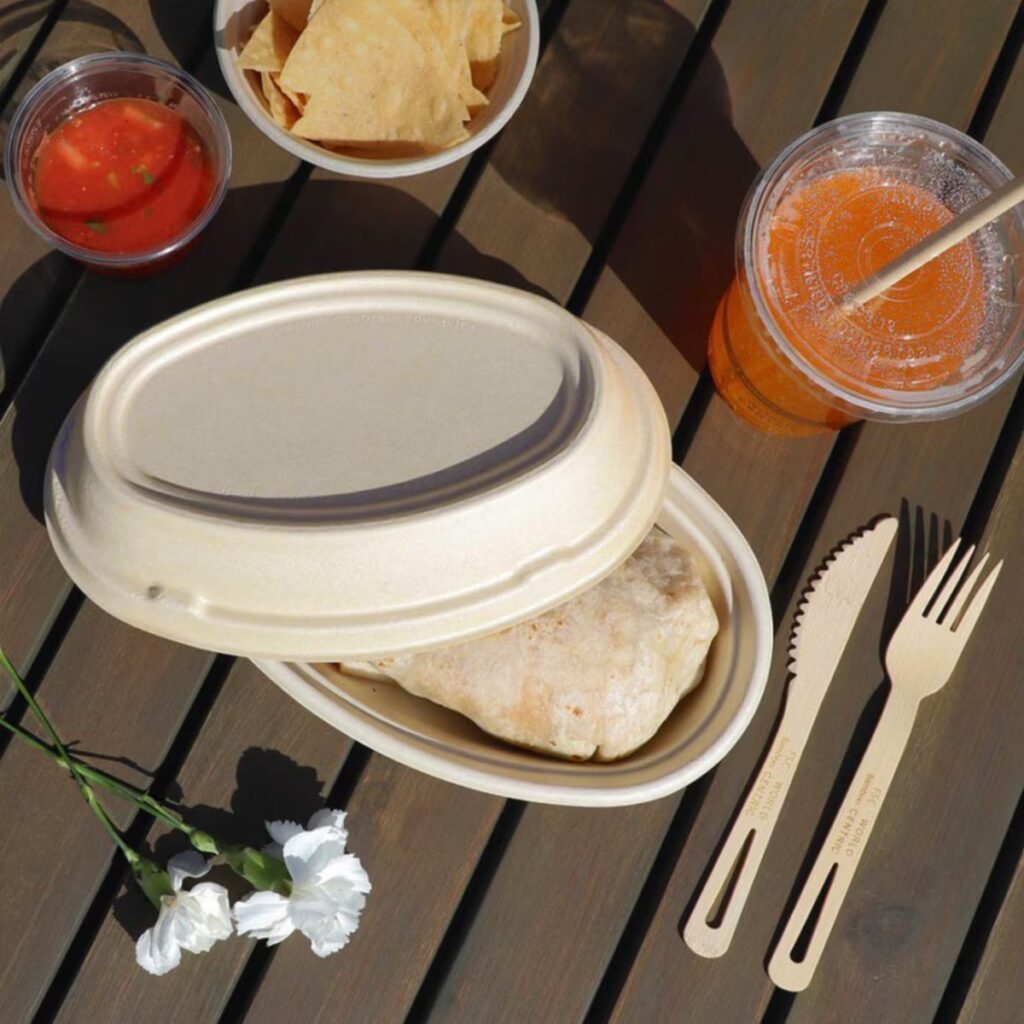
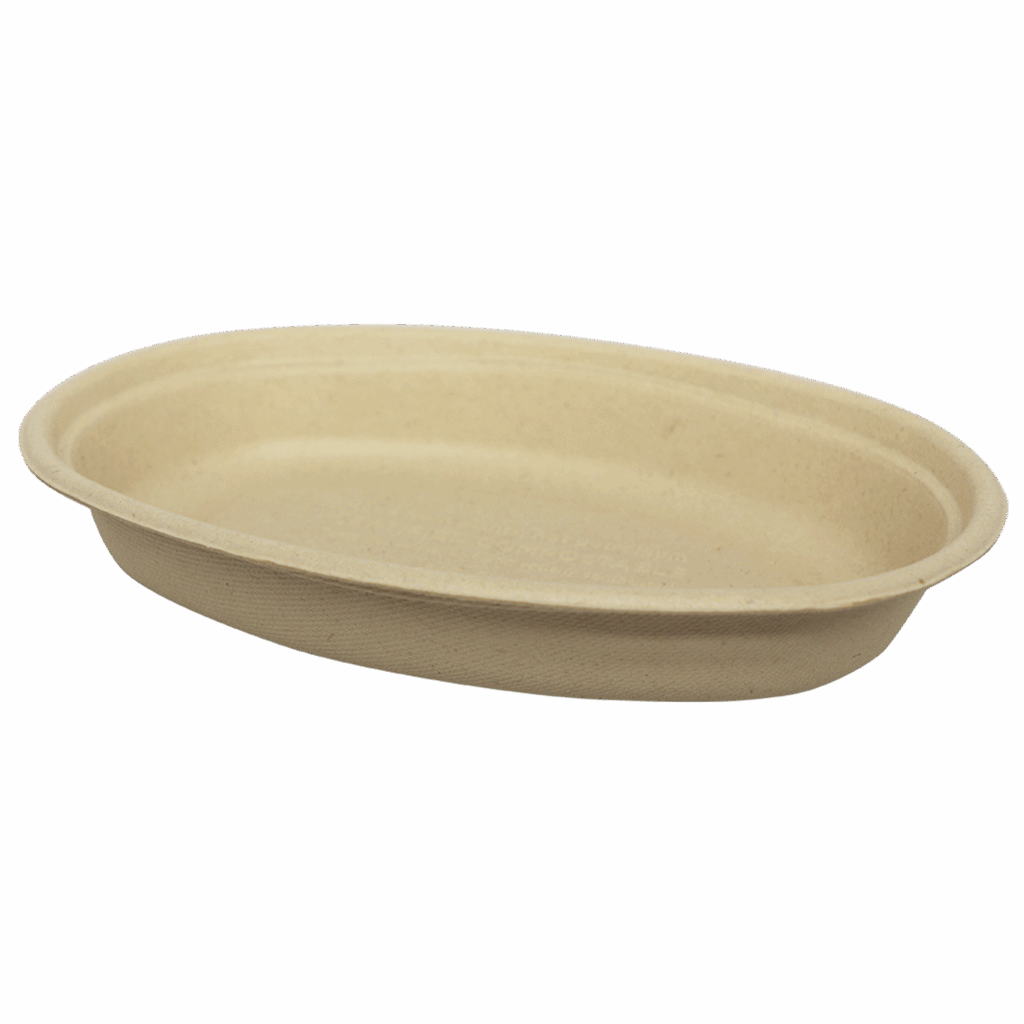
Burrito Bowl: Ideal for bowls, burritos, and loaded creations with strong molded fiber that supports heavy fillings, heat, and saucy recipes.
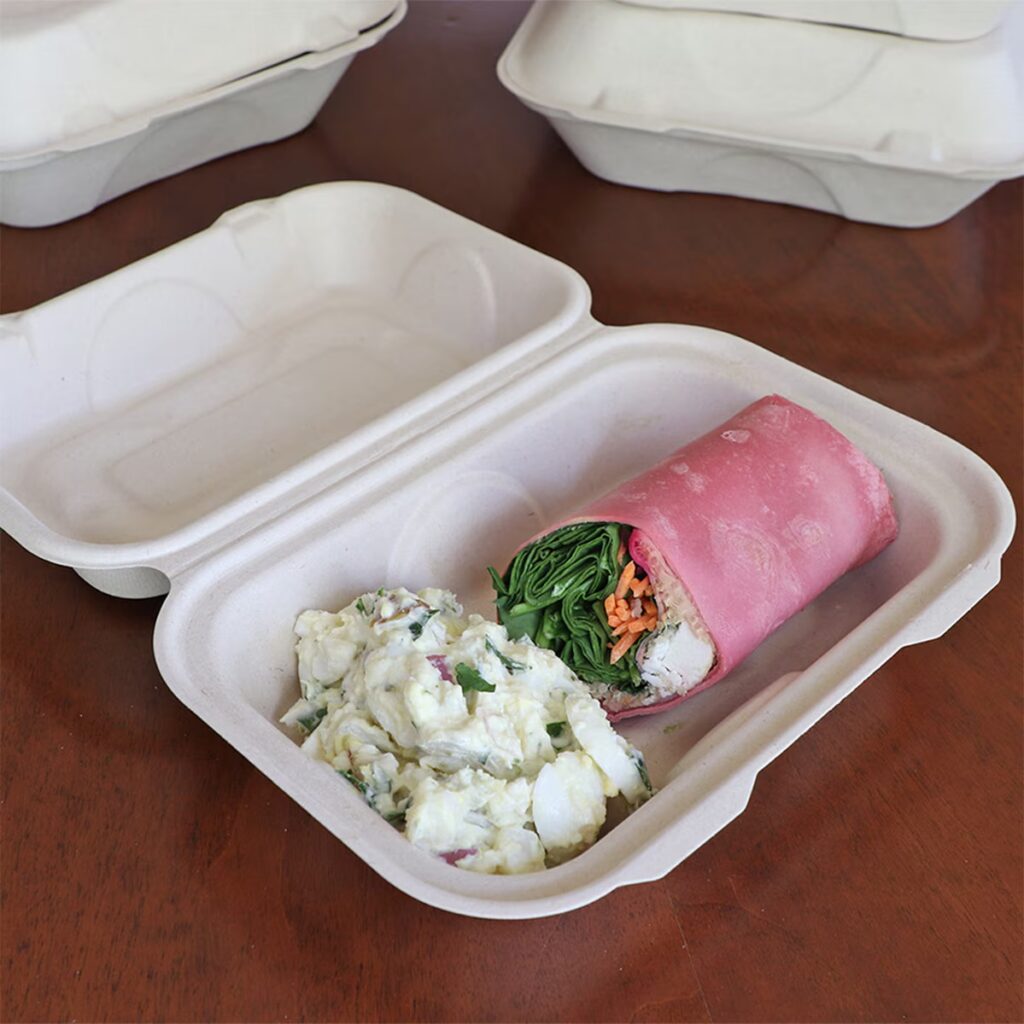
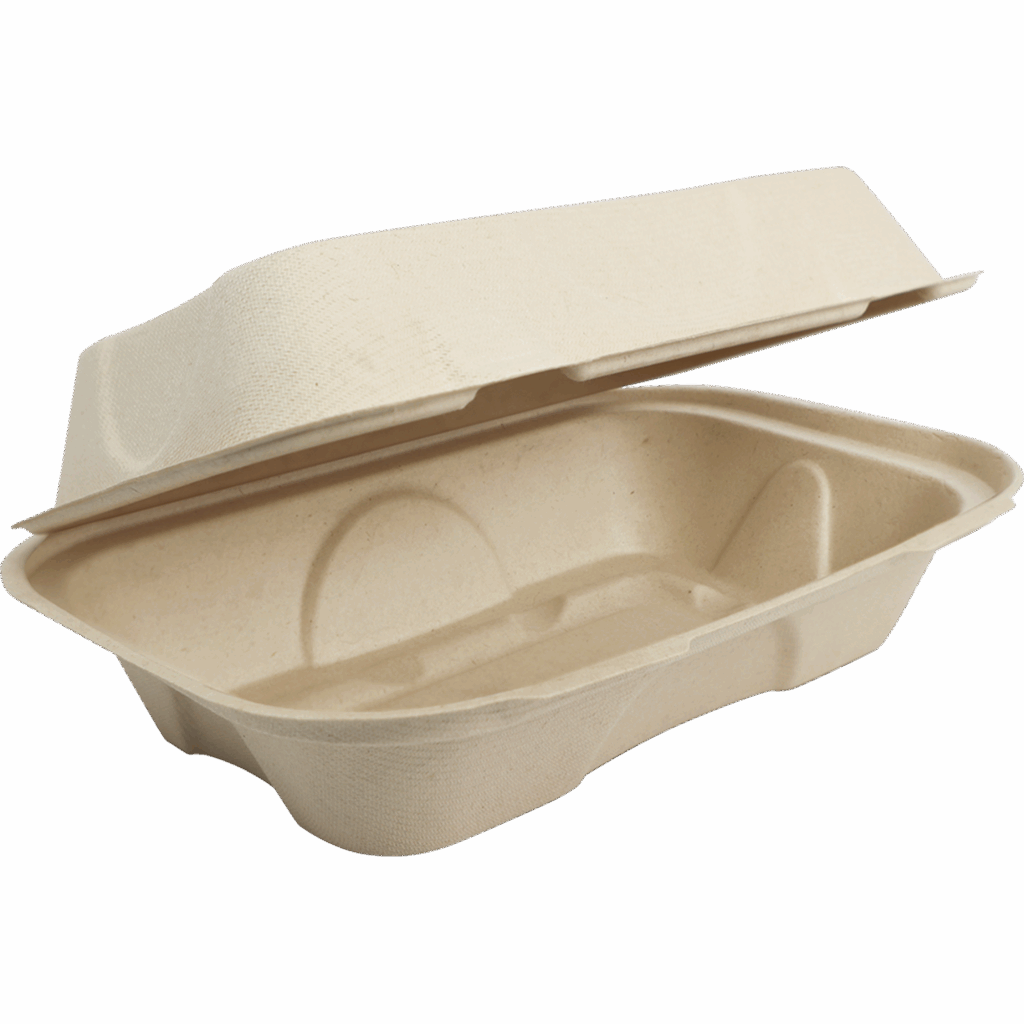
Hoagie Box: Sized for subs, sandwiches, and wraps with a durable, grease and moisture resistant design to keep contents neatly contained.
Why Chefs Choose World Centric Compostable Packaging
Serve Up Quality With Durable, Molded Fiber & PLA Packaging
Our molded-fiber products and clear PLA salad bowls are designed to deliver a standout takeout experience:
Molded Fiber Containers
Made from renewable plant fibers such as sugarcane and bamboo
Durable, grease and moisture resistant, and gluten free
No wax or petroleum-based plastic lining
Compostable in industrial composting facilities
Clear PLA Bowls
Made from PLA, a compostable bio-plastic made from plant sugars
Provides a clear, premium look without petroleum plastic
Freezer safe and suitable for cold entrees and desserts
Composts in 2 to 4 months in an industrial composting facility
When You Choose Compostable Packaging, Everybody Wins
Investing in compostable takeout packaging is a choice your customers notice—and appreciate. By offering alternatives to petroleum-based plastics, you help reduce landfill waste and promote composting as a practical, planet-friendly solution.
Your brand benefits too. Sustainable packaging shows your customers you care about the planet, your community, and the future of foodservice. The result? Happier customers, stronger loyalty, and a reputation for responsible leadership.
Supporting the Environment From Start to Finish
The average person generates more than four pounds of trash every day—with much of that ending up in landfills. Petroleum-based, food-soiled packaging only makes this worse since it contaminates recycling streams and is often discarded as waste.
World Centric containers are designed to break that cycle. Our plant-fiber and PLA products are made to fully compost at the end of their lifecycle, helping divert organic waste from landfills and return nutrients to the soil.
Your Takeout Packaging Helps Support Global Environmental Programs
By choosing World Centric products, you’re not just opting for compostable, eco-friendly packaging—you’re also supporting a company that’s committed to global change by donating 25% of its profits to:
Support global grassroots environmental and social programs
Offset carbon emissions
Assist communities working toward climate resilience and sustainability
When you choose World Centric, you’re delivering quality takeout to your customers—and helping to create a more just and sustainable world.
Click on the World Centric banner in your ordering app to view our full assortment, or click your location below to go right to your available selections of World Centric items!
In professional pastry work, chocolate isn’t just an ingredient. It is structure, shine, flavor, and the finishing touch that decides whether a dessert feels polished or forgettable. To help chefs work smarter and create better results, we sat down with Chef Eric, Corporate Pastry Chef for Cacao Noel and longtime member of the Paris Gourmet team.
Chef Eric has decades of global experience and hands-on expertise that have made him a trusted resource for chefs across the country. In this interview, Chef Eric shares his approach to chocolate, the unique qualities of Cacao Noel, and practical advice for chefs who want to get the most from their chocolate creations.
What would you say sets Cacao Noel apart from other chocolate brands?
Chef Eric: Versatility. You can bake with it, make ganache with it, temper it for décor. It fits anywhere. High end restaurants use it, smaller bistros use it, and even Disney uses it for all their chocolate needs. That tells you something about its consistency.
Cacao Noel’s couverture line covers everything from bold 64 percent darks to smooth 30 percent whites. The high cocoa butter content gives chefs clean meltability and reliable tempering. That consistency is why it works in so many styles of kitchens, regardless of volume or skill level.
As a pastry chef, how do you define good chocolate?
Chef Eric: It has character. Bitterness, sweetness, texture, flavor, color. Everything should be in balance. The cocoa percentage matters too because it changes how you use it. Some chefs also appreciate that Cacao Noel has no soy lecithin. For them, that is a big advantage.
Cocoa percentage drives flavor intensity, sweetness, and how chocolate behaves in recipes. Higher percentages mean stronger flavor and less sugar. Lower percentages are softer and sweeter. Chefs who understand these differences choose better chocolate for baking, mousse, décor, and dipping.
Many chefs still lean on standard or compound chocolate. How do you explain the importance of couverture?
Chef Eric: Couverture has cocoa butter. Compound chocolate uses vegetable oil. That alone changes the flavor and texture. Couverture has finesse. It melts better, tempers better, tastes better. It does cost more, but the quality is worth it.
Compound chocolate sets without tempering, but the finish is dull and the texture waxy. Couverture gives chefs shine, snap, and smooth melt. It’s the difference between a luxury bonbon and a mass market candy bar. For anything where appearance or mouthfeel matters, couverture wins every time.
When you’re developing a recipe or new technique, what qualities in chocolate matter most?
Chef Eric: The melting point and the taste. I taste the chocolate first. Then I know if it belongs in a mousse, with fruit, with nuts, or something richer. The chocolate decides the direction of the recipe.
Different chocolates interact differently with acidity, dairy, nut pastes, and sugar. Dark couvertures with higher percentages shine in ganache and truffles. Softer milk couvertures help balance sweeter desserts. White couverture supports decoration and flavor infusions. Knowing the chocolate upfront cuts trial and error.
What is your sales pitch when demonstrating Cacao Noel to chefs?
Chef Eric: I start with versatility. Then I ask what percentage they use most. That helps me match them with the right couverture. The goal is to understand what they need, and help them find the best product for them.
Cacao Noel’s lineup gives chefs many options: • 64 percent for bold flavor • 61 percent for balance • 58 percent for smooth, all purpose use • 36–38 percent milk for creamier applications • 30 percent white for décor and fillings
Having the right percentage avoids wasted batches and saves time.
Chefs are cost conscious. Does higher quality chocolate help reduce waste?
Chef Eric: Yes. Good chocolate works better, so you use it more efficiently. Some chefs buy expensive fruit, nuts, or vanilla but cut corners on chocolate. That doesn’t make sense. If chocolate is the star, use good chocolate.
Bulk couverture also improves consistency across batches. Fewer remelts, fewer broken shells, cleaner finishes. Over time, that saves money and reduces labor.
What trends are you seeing in chocolate work?
Chef Eric: Honestly, not many. Chefs want classics again. Simple, recognizable chocolate desserts. The pandemic changed things. People want comfort and quality more than elaborate showpieces.
This shift puts more pressure on ingredients. When the dessert is simple, the chocolate has to shine. That is exactly where couverture makes the difference.
How do you coach chefs on choosing the right percentage?
Chef Eric: I ask what they usually use. That tells me where to start. Sixty four percent is our bestseller. The new 38 percent milk chocolate is doing really well too.
Dark chocolate around 60–64 percent hits the sweet spot for ganache, truffles, glazes, and classic pastries. Milk chocolates between 35–38 percent work for bars, fillings, and kid friendly items. White chocolate adds structure and color.
Anything else you want Chefs to know about you?
Chef Eric: We work with all kinds of customers. One in Chicago uses a custom blend of 80 percent coconut oil and 20 percent cocoa butter. It shows how flexible Cacao Noel can be. We’re here to support whatever chefs need.
Cacao Noel gives chefs a reliable, high performing couverture that works across applications and across kitchens. Whether the goal is better shine, cleaner tempering, richer ganache, or more efficient production, the quality shows up in every batch.
From small pastry shops to large theme parks, chefs choose Cacao Noel because it behaves the way chocolate should: consistent, flavorful, and ready for anything.
To find all Cacao Noel Products stocked by What Chefs Want by clicking your region below:
Louisville, KY and St. Petersburg, FL — December 4, 2025 – What Chefs Want is pleased to announce that the company is under contract to acquire Puzycki’s Produce and Specialty Foods, a respected supplier of fresh produce and specialty food items based in St. Petersburg, Florida. The transaction is scheduled to close on January 12, 2026.
Puzycki’s Produce, owned and led by Brian Puzycki, has served restaurants, schools, and foodservice operations across a wide stretch of central Florida for many years. The company operates from its primary St. Petersburg location and an additional warehouse in Vero Beach, allowing the team to support customers from Tampa Bay through Daytona and along the eastern corridor. Puzycki’s Produce is known for reliable service, strong relationships, and high quality fresh products. What Chefs Want will continue to operate these locations and will build upon the trusted foundation already in place.
This acquisition expands the reach of What Chefs Want throughout the entire state of Florida. In recent years, the company has welcomed other Florida-based organizations into the What Chefs Want family, including The Garden Produce Company in Jacksonville, Florida, and more recently, Premier Produce in Dania Beach, Florida. With Premier Produce serving much of the eastern and southeastern regions and Puzycki’s Produce serving the western and central regions, What Chefs Want will now maintain a cohesive and strategically aligned footprint throughout the entire state. This creates new opportunities to strengthen logistics, streamline distribution, and deliver greater consistency and convenience for chefs from coast to coast.
Ron Turnier, Chief Executive Officer and Founder of What Chefs Want, shared the following statement:
“We are excited to welcome Puzycki’s Produce into our growing Florida network. Brian Puzycki and his team have built a trusted business with a strong reputation for quality and service. This acquisition allows us to serve chefs across the entire state of Florida with a larger catalogue of items and the full scope of What Chefs Want offerings, including meat, seafood, dairy, gourmet products, pantry staples, and to go and paper essentials. We look forward to supporting new customers and delivering the convenience and reliability that chefs expect from our team.”
Brian Puzycki, owner of Puzycki’s Produce and Specialty Foods, added:
“This partnership opens an incredible path forward for our customers. With What Chefs Want, we gain the resources, technology, and product depth needed to grow in a meaningful way. I am excited for what this will mean for chefs throughout the Tampa Bay region and for the future of our business.”
In the coming months, What Chefs Want will begin introducing expanded services that are standard in its other markets. These include daily delivery, no order minimums, 24/7 customer support, and split case quantities across every product line. Florida customers will also gain access to the company’s robust online ordering and account management platform, which provides a fast and intuitive experience for professional kitchens.
Current customers of Puzycki’s Produce will continue to receive dependable service from the local team they know and trust. What Chefs Want will also add resources in logistics, operations, marketing, and customer support to ensure a smooth transition and a strong platform for future growth in the region.
Small Business Saturday reminds us why we do what we do. Every week we get to stand in the middle of a network built on trust, care, and real craft, connecting the growers, makers, and family run farms we admire with the chefs and customers who value their work. These relationships go beyond transactions. They carry stories, roots, and pride, and they show how much stronger our food community becomes when small businesses lift each other up.
Sunsprout Farms
Central Ohio
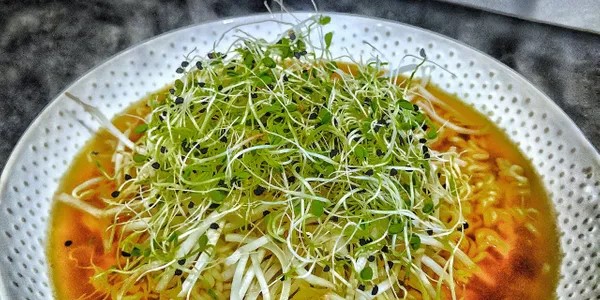
Sunsprout Farms is a family owned sprout producer in Central Ohio that has grown from a tiny operation in 1982 to a thriving North Linden facility serving everyone from small groceries to major distributors. They grow fresh, pesticide free sprouts year round with a small, dedicated team.
What does it mean to you to see your products featured in local restaurants?
It means a lot to us…we love seeing the sprouts we grew on the menu and our plates! And it’s inspiring to see that our small family farm, with the support of wholesalers like What Chefs Want, is able to have a place alongside much larger corporations in the food system.
As a small business, what are you most proud of?
We’re proud of being able to keep our food safety and quality control programs top notch, putting our resources into what matters. We love providing safe, good paying and dare we say enjoyable jobs for our crew.
What’s something you’d like chefs or restaurant partners to know about your work?
We really strive to have the best quality sprouts available – we watch inventory closely and only ship out sprouts we expect to last as long as can be expected – please give us a try, and please reach out to us with any questions or concerns, no comment too small – we welcome feedback!!
Morning Fresh Dairy
Bellvue, CO
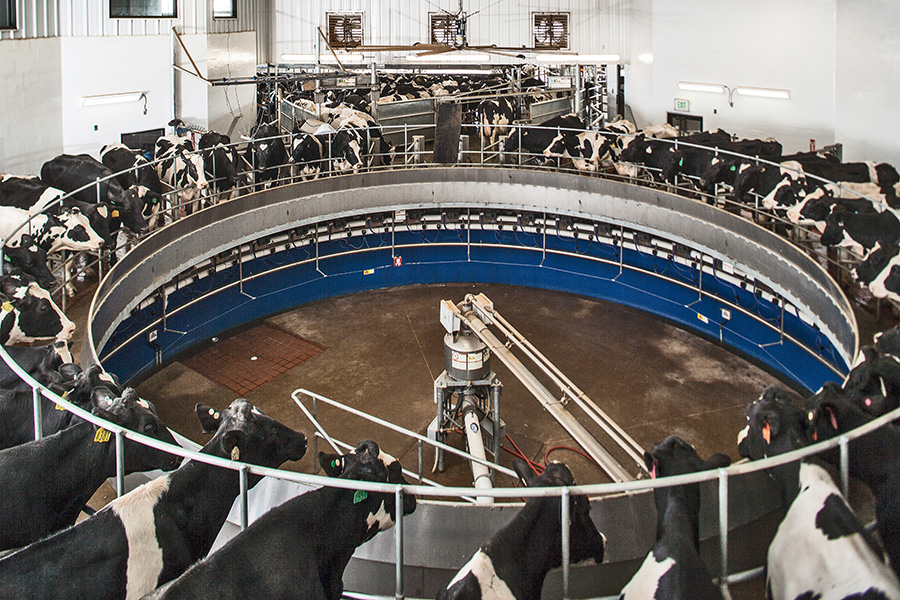
Morning Fresh Dairy is a fifth generation family farm in Bellvue, Colorado, producing all natural milk from cows raised and cared for on the same land since 1894. They focus on sustainable practices, healthy homegrown feed, and minimal processing to deliver fresh, hormone free milk to local families.
What does it mean to you to see your products featured in local restaurants?
Knowing our products are featured in local restaurants is a great source of pride for Morning Fresh Dairy. Being connected to our community and seeing our products in shops we frequent ourselves keeps us motivated to create the best-tasting, freshest dairy available. Great tasting food starts with great ingredients – and we are proud to be a part of this!
As a small business, what are you most proud of?
Morning Fresh is dairy done right, and we are very proud of that fact! As a 5th-generation family-owned & operated farm, we are dedicated to producing all natural milk through regenerative agriculture practices, high-quality cow care, and our state-of-the-art processing facility.
What’s something you’d like chefs or restaurant partners to know about your work?
Since 1894, Morning Fresh Dairy has been deeply rooted in our Northern Colorado community! Our beautiful farm is located in Pleasant Valley and is a hub of activity, with our Howling Cow Café storefront, holiday events, year-round dairy tours, scenic disc golf course, and more!
Greener Roots Farm
Nashville, TN
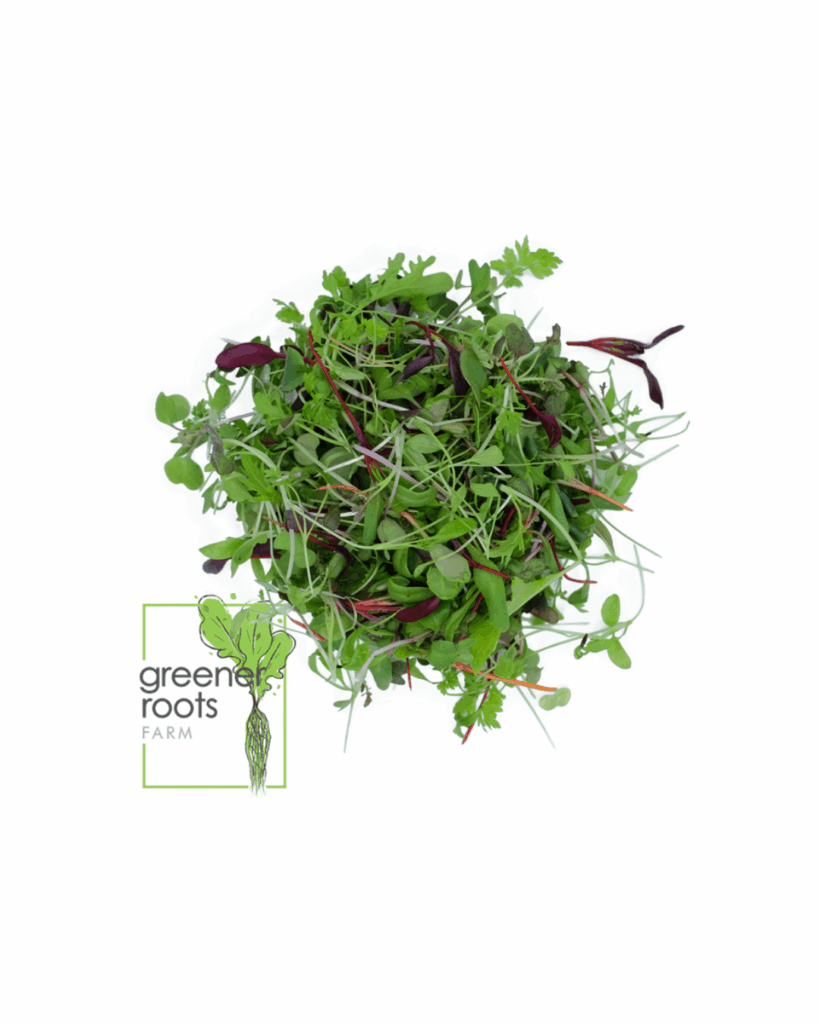
Greener Roots Farm is Nashville’s first commercial scale hydroponic vertical farm, growing pesticide free, herbicide free, GMO free herbs and leafy greens year round for local restaurants and grocers. Using state of the art indoor systems, they save 90 percent of the water and land of traditional farming while producing ten times the yield in under 50 miles from farm to plate.
What does it mean to you to see your products featured in local restaurants?
Our team, our family, and our friends live and eat in the communities where our products are used. To be a small part of the successes of these restaurants and sharing local, healthy greens is what we do this for.
As a small business, what are you most proud of?
We are most proud of the quality and consistency of our products that we get to deliver to our customers week after week. We take pride in the farms, processes, and culture that allows us to be successful each day.
What’s something you’d like chefs or restaurant partners to know about your work?
We are grateful for the opportunity to be in your kitchens and on your dishes, and we don’t take that responsibility lightly. Meals gather people around the table for all different reasons – food is the great connector!
Gourmet Soy Foods
Granite City, Illinois
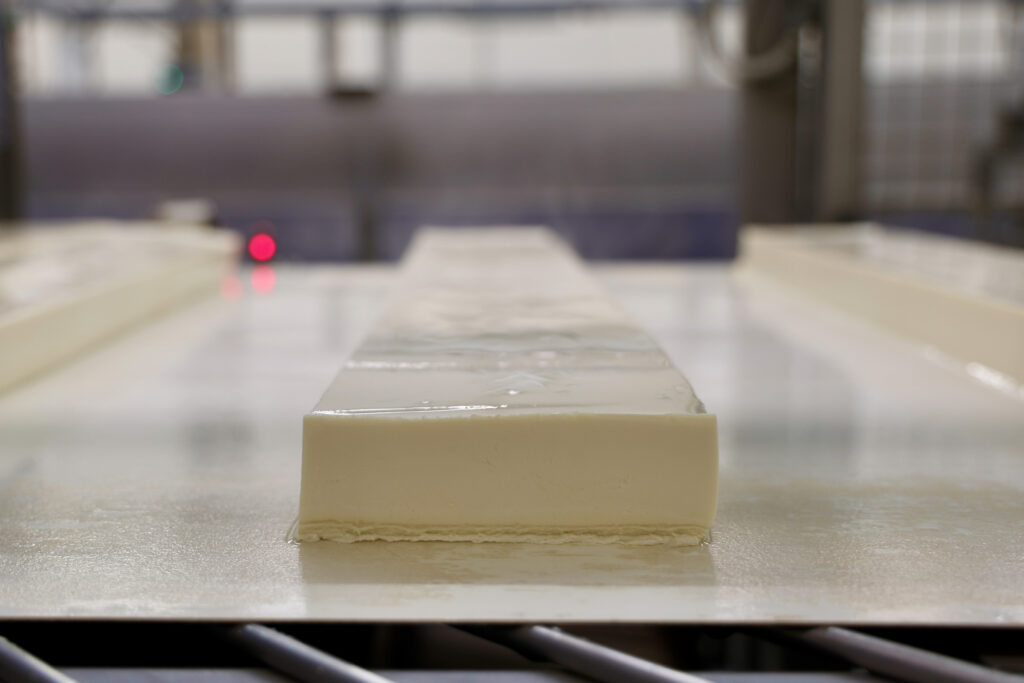
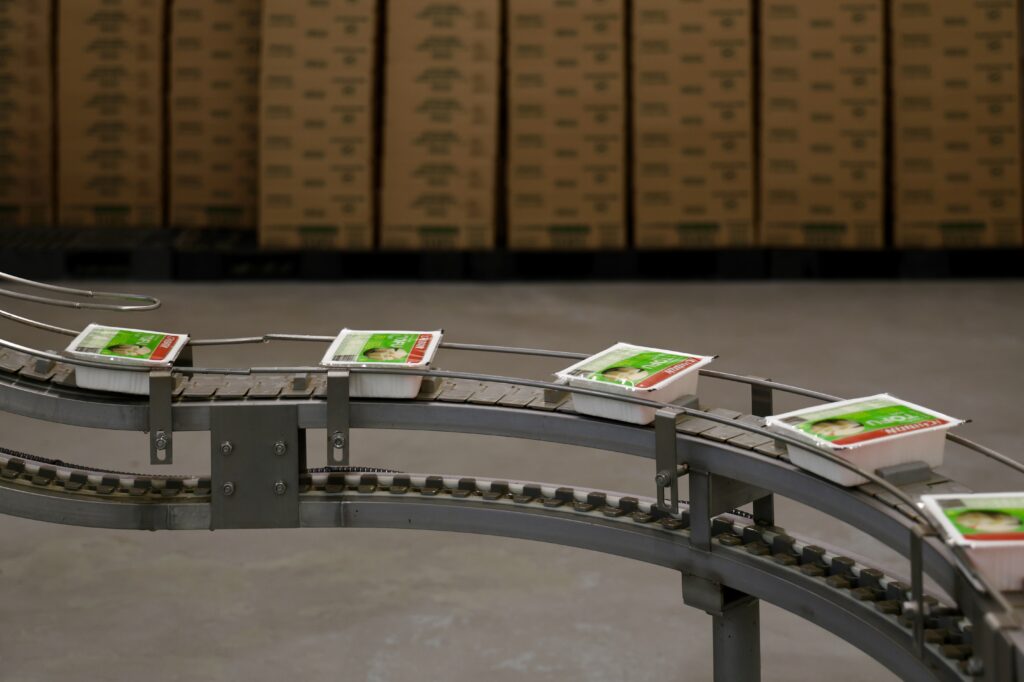
This tofu producer started in Granite City, Illinois in 2010, using simple, Non GMO American grown soybeans to create healthy, flavorful products. They pair traditional tofu making principles with precise, tech driven production to ensure consistent, high quality results every time.
What does it mean to you to see your products featured in local restaurants? It’s incredibly rewarding to see local restaurants sharing our products. The innovation and creativity shown by local chefs is fantastic.
As a small business, what are you most proud of? We are most proud of the partnership with the businesses and people we’ve met.
What’s something you’d like chefs or restaurant partners to know about your work? We continually work with local chefs to incorporate tofu into new innovative dining experiences. Reach out and let us help you incorporate tofu as a healthy option in your menu.
Weisenberger Mill
Midway, KY
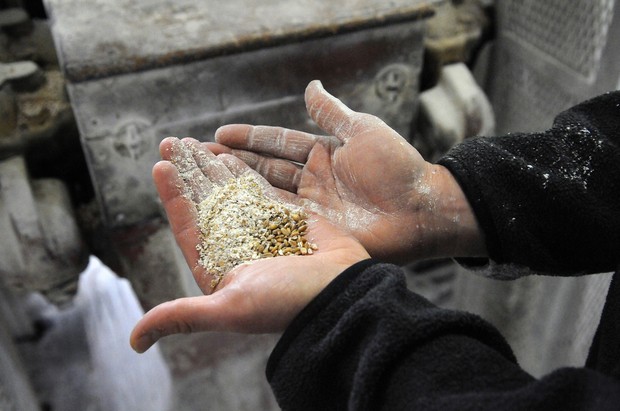
Weisenberger Mill is a six generation family mill in Midway, Kentucky that has produced flour, cornmeal, and grits on the same creekside site since 1865. They keep everything in house and stick to old fashioned methods, creating slow milled products with richer texture and flavor that chefs trust.
What does it mean to you to see your products featured in local restaurants?
Very proud! We work very hard to make the best quality products.
As a small business, what are you most proud of?
Our continued commitment to consistent quality for over 160 years.
What’s something you’d like chefs or restaurant partners to know about your work?
Being a small family-owned business is more than a job, it’s a way of life.
As you plan your next menu, take a moment to explore the small businesses that help keep our food community strong. You can find all of these partners in the ordering app, or visit our What’s Local Now page to see every local option available in your area. A few extra seconds of searching can bring real impact to the farmers, makers, and family run operations who put so much care into what they do. Supporting them keeps flavor close to home, and it keeps all of us connected.