Category

Chef’s Feed

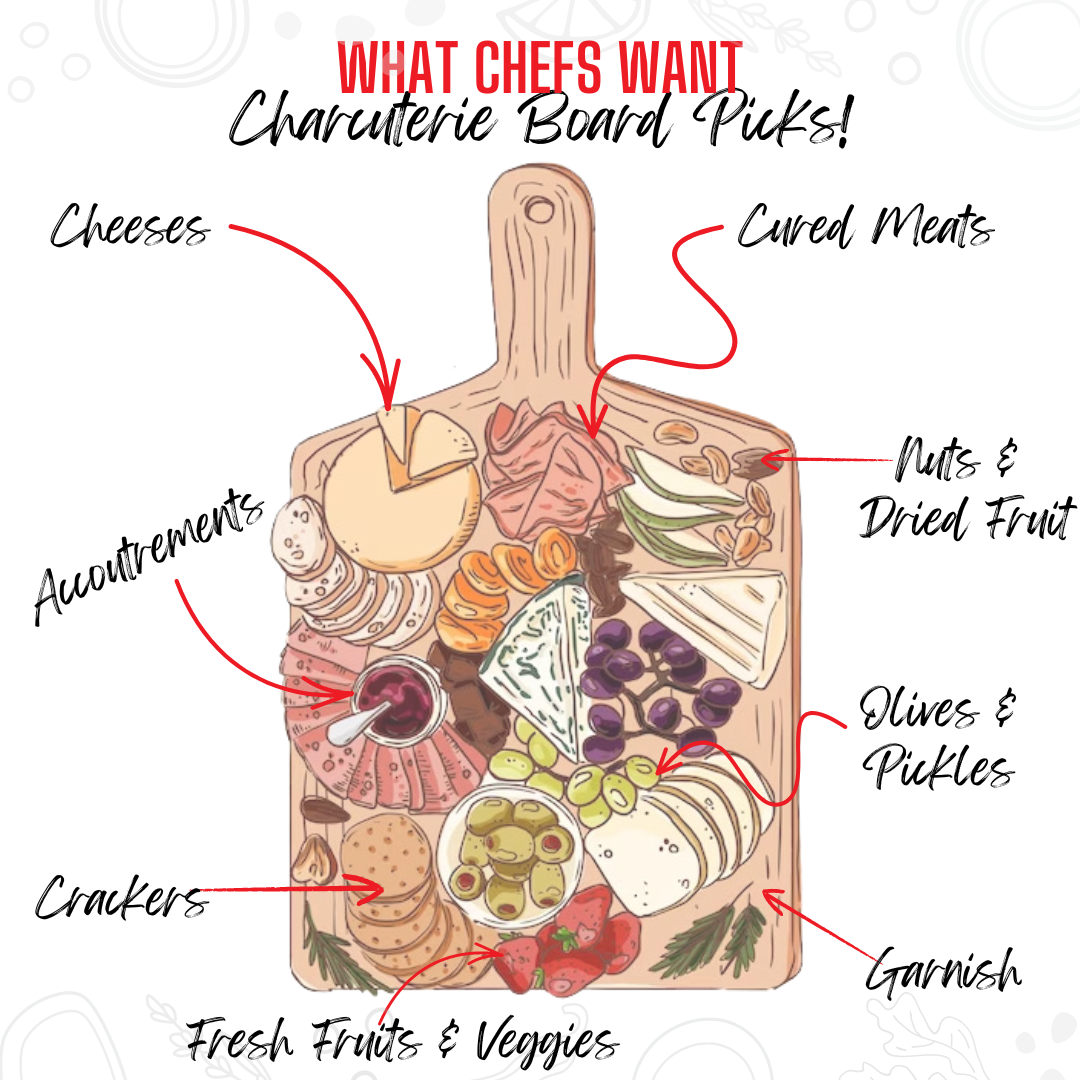
How to Craft a Standout Charcuterie Board

By | Appetizers, Catering, Charcuterie, Cheese, Chef's Feed, Fruit, Gourmet, Gourmet Cheese, Holiday, Hors d'oeuvre, Meats, Snack Foods, What Chefs Want

The art of creating a charcuterie board goes beyond assembling an assortment of cured meats and cheeses. It is a culinary symphony that combines flavors, textures, and aesthetics to delight the senses. In this guide, we will explore the key elements of crafting the ultimate charcuterie board, from balancing flavors to adding artistic touches that can set the experience at your restaurant apart from all the others.

Balancing Flavors: Key Components

Variety of Cured Meats:

Start with a selection of high-quality cured meats. Include a mix of textures and flavors, such as prosciutto for its delicate saltiness, spicy chorizo for a kick, and genoa salami for a robust taste.

Some of our favorite suggestions:

Smoking Goose Wagyu Beef Bologna (item #33841) – This domestically raised Wagyu beef, from the same breeds as prized Japanese Kobe beef, is expertly spiced with white and black peppercorns, mustard, coriander, and paprika. Pork-free and hot-smoked for a fully cooked and flavorful experience, it boasts a honeycomb casing that ensures beautifully petal-shaped slices, perfect for serving on charcuterie boards.

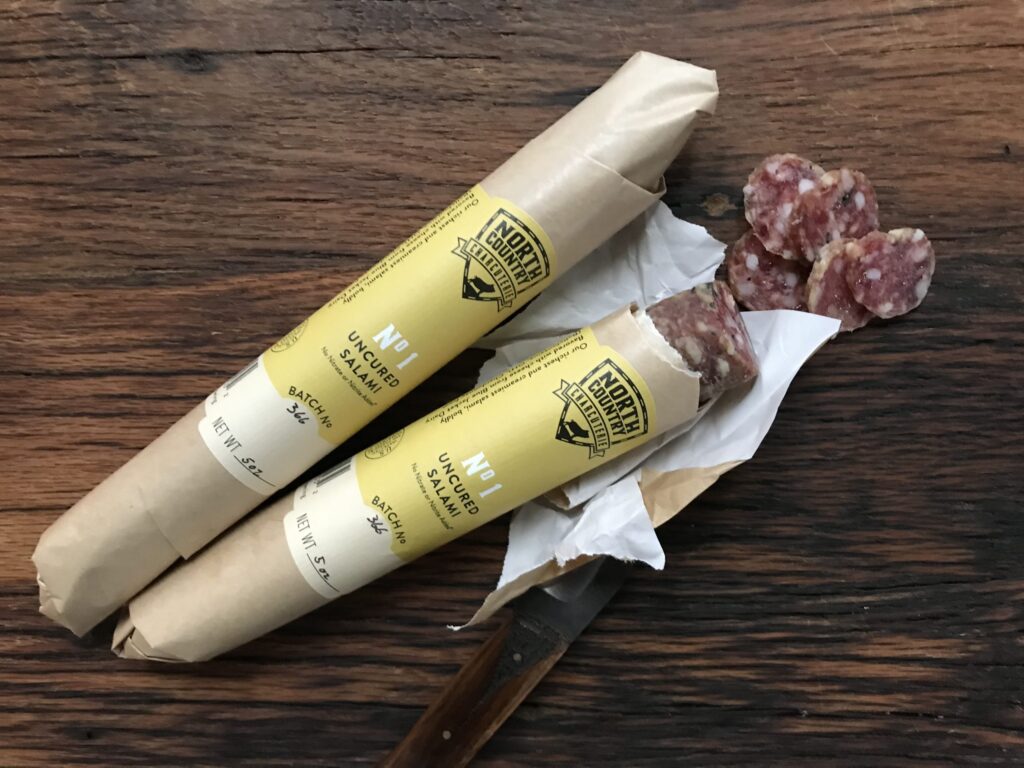
North Country #1 Salami (item #03921 / 95058 / 95059) – North Country’s richest and creamiest salami, featuring bold flavors infused with cheese from Blue Jacket Dairy in Bellefontaine, OH, Chardonnay from Debonnne Vineyards in Madison, OH, along with the zesty addition of chopped garlic and fresh sage.

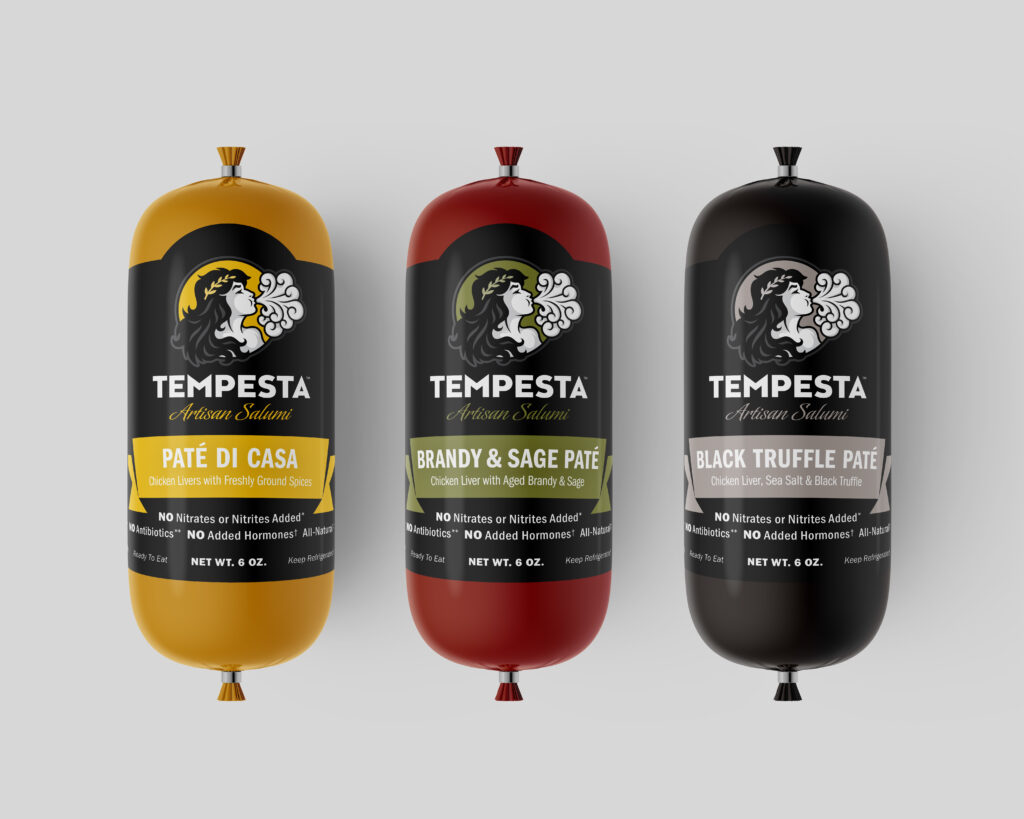
Tempesta Brandy & Sage Paté (item #32191 / 32238) – This is Tempesta’s chicken liver paté, seasoned with a savory blend of sage and aged brandy.

Cheese Selection:

Choose a diverse array of cheeses, ranging from soft and creamy brie to sharp cheddar. Include different milk types like cow, goat, and sheep to offer a variety of textures and flavors.

One of our favorite rules of thumb, choose something hard, something soft and something blue.

Surprise your guests with unique cheeses. These unexpected flavors can be a memorable addition.

Some of our favorite suggestions:

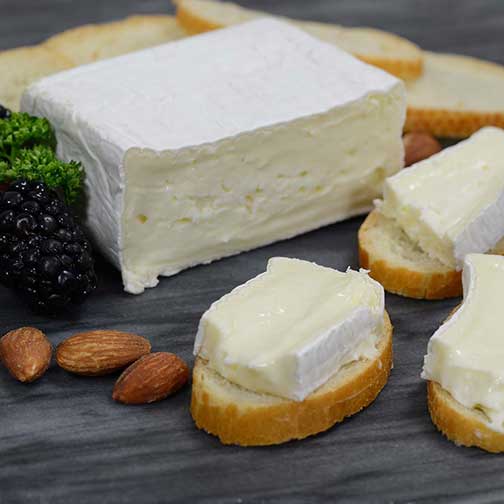
Tulip Tree Trillium (item #25790 / 27177) – This cow’s milk triple cream, bloomy-rind cheese draws inspiration from French classics, Camembert and Brie. Boasting a soft, buttery texture with rich, smooth flavors and gentle lactic tones, it earned second place in the World Cheese Competition in 2020.

Sequatchie Cove Shakerag Blue (item #91934) – Shakerag is a crumbly yet dense blue-veined cheese cloaked in local fig leaves which have been soaked in Chattanooga Whiskey. Its sweet and fruity interior is reminiscent of root beer, and lends itself to more savory notes of bacon and dark chocolate towards the rind.

Kenny’s 10 year Reserve Cheddar (item #32172) – Get it while it lasts! Fans of Kenny’s Reserve Cheddar or extreme-aged cheddars will love this 10-year old offering. Surprisingly buttery for its age, it has taken on many of the characteristics of a heavily-aged Gouda with plenty of crystallization and a very strong caramel finish.

Capriole Mont St. Francis (item #91113) – Mont St. Francis, an intense, beefy, and earthy cheese, embodies a hearty and stinky character with its semi-hard texture and rich profile. Crafted by Capriole Farmstead, this award-winning goat cheese is meticulously handmade, using milk sourced from a local Indiana farm.
Accompaniments:

Add complementary accompaniments like honey, mustard, jams and chutney to enhance the flavors of both the meats and cheeses. These condiments provide a sweet, tangy, or spicy contrast.

Make sure to include something sweet and something spicy to accompany the varying flavors you’ve already picked with the meats and cheeses.

Some of our favorite suggestions:

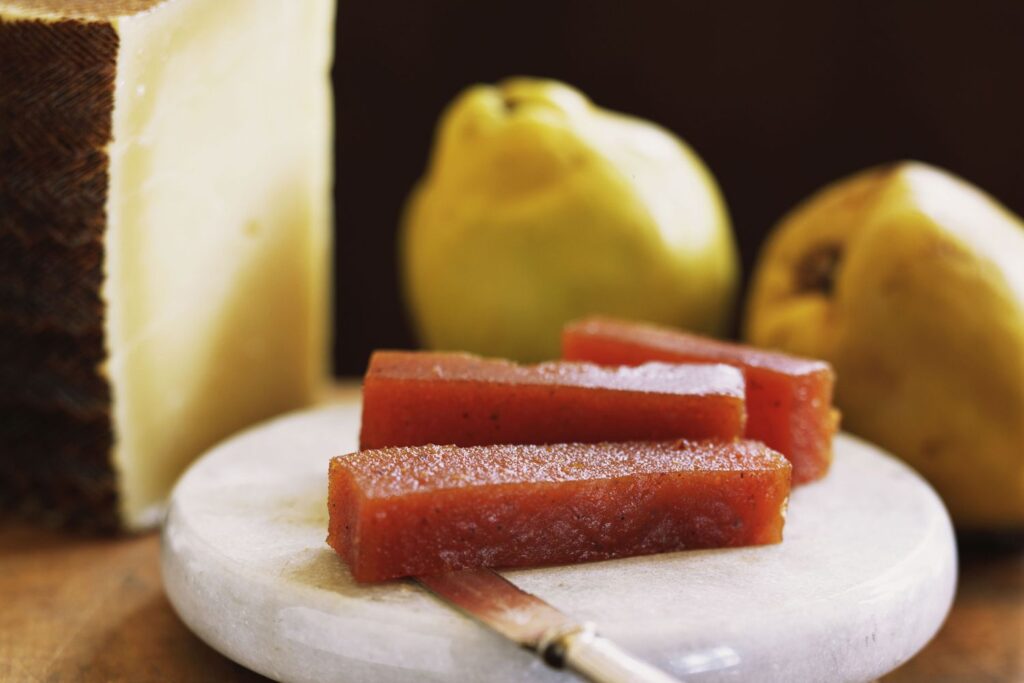
Membrillo/quince jam (item #93605 / 96328) – Membrillo (quince paste) contains only three ingredients: quince, sugar, and lemon, cooked into a reddish paste. The naturally high pectin content in the Valencian quince gives the paste its firm and jelly like texture.

Orange blossom honey (item #93506) – This honey is brimming with bright, citrusy notes that are sure to captivate your palate, made from orange blossoms to impart a mild and citrus-scented flavor you’re bound to adore.

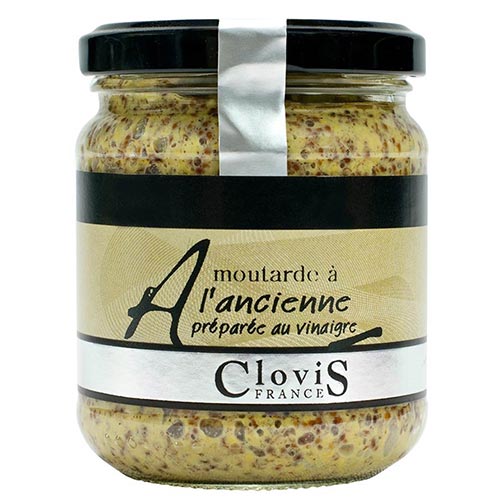
Whole grain mustard (item #95107 / 95106) – A pleasant and very sweet mustard that acquired its flavor as a result of the maceration of the whole mustard seeds in the cider vinegar.
Fresh, Dried and Pickled Produce:

Incorporate fresh and dried fruits, such as figs, grapes, or apple slices, to add a natural sweetness and refreshing element that balances the richness of the meats and cheeses.

To balance out the bread-based vessels to hold your bites, consider including bell peppers or celery to serve as your base as well.

Include pickled or briny vegetables like pickles, pickled onions, or olives. Their tangy and briny flavors cut through the richness of the meats and cheeses.

Some of our favorite suggestions:

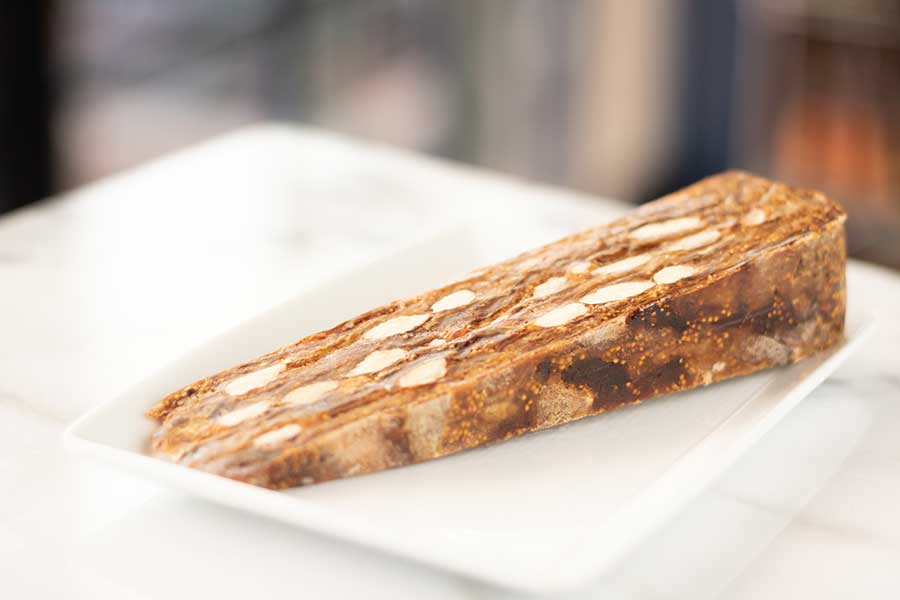
Fig almond cake (item #94036 / 91179) – Handmade in Valencia, Spain, this wheat-free cake is crafted from Pajarero figs and Marcona almonds – a traditional combination with nothing else. Your gluten-sensitive friends will thank you for this flourless delight, where almonds are hand-pressed between layers of whole dried figs.

Gordal olives (item #98866 / 95556) – The name gordal means “the fat one” due to it’s round shape and large size (over 6gr). Due to its low oil content it is exclusively used for table olives. It has a fine delicate flavor, similar to manzanilla, and a firm, meaty texture. Losada uses a neutral brine which results in a balanced salt to bitterness ratio, so that you can really taste the flesh of the olive.

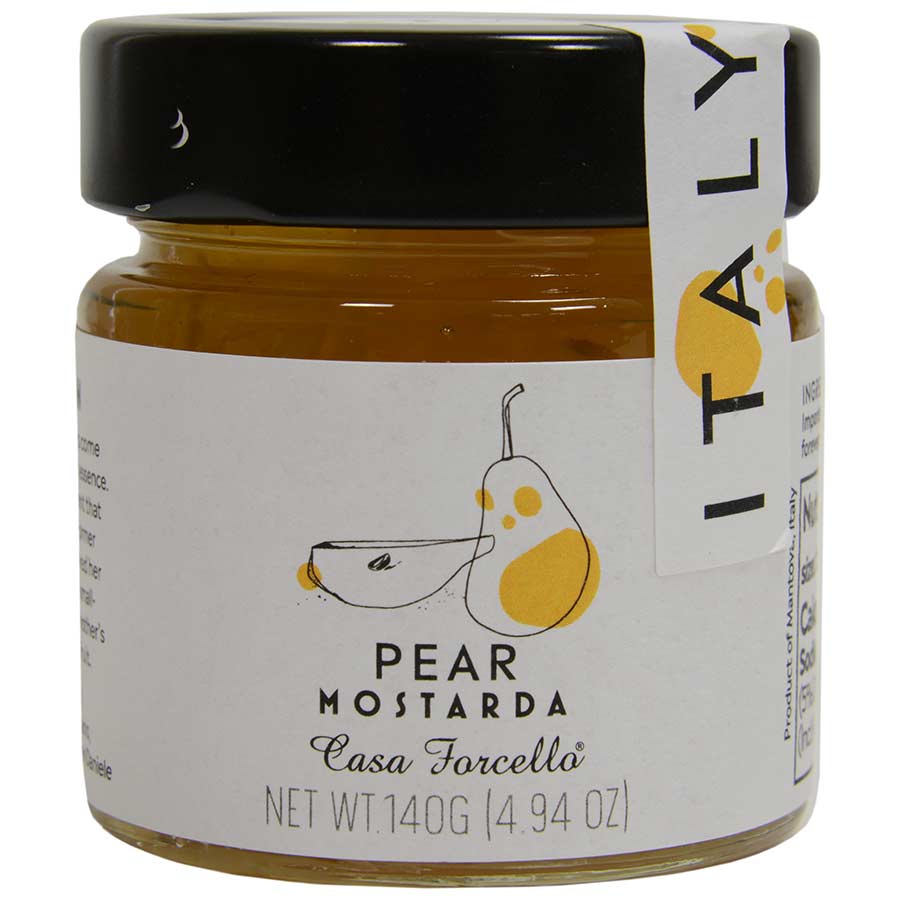
Pear Mostarda (item #90596 / 30086) – This traditional condiment from Mantova skillfully balances hand-cut candied pears with a hint of potent mustard extract.
Textured Crackers,  Bread, Nuts and Seeds:

Introduce a variety of textured crackers and breadsticks to add crunch and variety. Choose options with nuts or seeds for an extra layer of flavor and visual interest.

Incorporate a selection of nuts and seeds, such as candied pecans or roasted almonds. They add a delightful crunch and nuttiness to the board.

Some of our favorite suggestions:

Quicos corn nuts (item #17595) – GMO-free Quicos are giant corn kernels that have been soaked in water, then fried and salted. This delightfully cruncy snack pairs perfectly with beer and is a great addition to a cheese plate.

Le Tresor Crackers for cheese (item #92321) – These little bite sized waffle crackers might be the perfect cracker! Light enough to not overpower your topping, but just the right thickness to not fall apart while you dress it with your favorite spread.

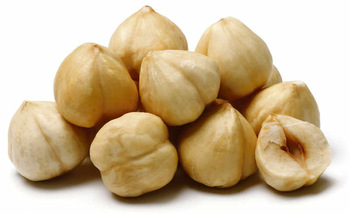
Blanched Hazelnuts (item #95340 / 95313) – Blanched hazelnuts are hazelnuts, or filberts, have had their skins removed, revealing a smooth and creamy nutty interior. This enhances the hazelnuts’ flavor profile by eliminating any bitterness associated with the skin

Aesthetic Touches

Artful Arrangement:

  • Arrange the elements in a visually appealing manner. Place cheeses of different shapes and colors strategically, and layer cured meats in a cascading fashion. Creating symmetry or asymmetry can both be aesthetically pleasing so do whatever you feel works best for your ingredients.
  • Consider placing meats and cheeses that you want to encourage pairing next to each other.
  • Make the meat stand out, literally. Fold or roll salami and prosciutto to give it more shape and add volume on the board.
  • And keep in mind that placement is important. Hard cheeses should be on the outside of the board if they aren’t already sliced, and soft/spreadable cheeses toward the inside, to make accessing everything easier.

Microflowers and Herbs:

Bring on the color by garnishing with microflowers and fresh herbs. Edible flowers like pansies, purple pepper, or fire stix add an unexpected pop of color, while herbs like rosemary or thyme contribute fragrance and a hint of freshness.

Pansies – Edible Mix (item #40032) – Pansies are one of the most popular edible flowers, both because you can eat their sepals and because they come in such a wide array of colors.

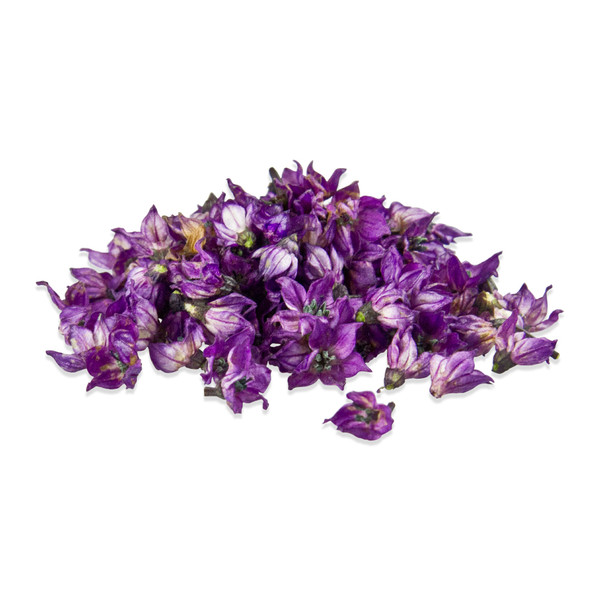
Purple Pepper Micro (item #02377) – Beautiful dark purple colored 6-7 petaled gems. Mild, sweet bell pepper taste.

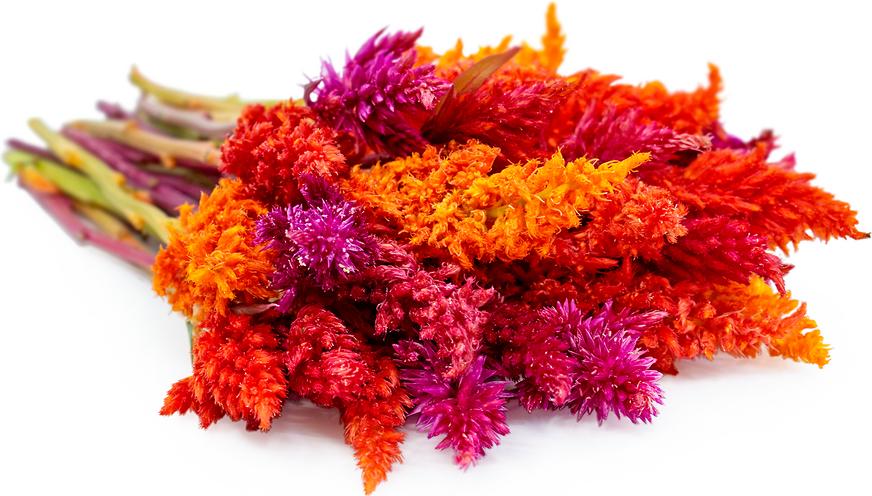
Firestix (item #40310) – Firestix are the brightly colored flowers of the amaranth plant. The blossoms have a delicate, plume-like appearance and can be purple, magenta, red, gold and green in color and a neutral flavor that is mildly reminiscent of corn silk.

Crafting the ultimate charcuterie board is an art that combines flavors, textures, and aesthetics. By balancing a variety of cured meats, cheeses, and accompaniments, and adding artistic touches like microflowers, you can create a visually stunning and palate-pleasing experience. Don’t be afraid to experiment with unexpected ingredients, as they can elevate your charcuterie board to new heights, leaving a lasting impression on your guests.

Standout Center-of-the-Plate Options That Wow For the Holidays 

By | Beef, Berkshire Pork, Chef's Feed, Ham, Meats, Pork, Poultry, Seafood, What Chefs Want

The holiday season is not just a time for festive decorations and gifts—it’s also a time for chefs to shine by creating memorable dining experiences. According to a recent survey by the National Restaurant Association, nearly 60% of consumers are planning to dine out at a restaurant during the holidays, while 50% intend to order takeout or delivery for gatherings at home. This holiday season, we are highlighting some center-of-the-plate options from What Chefs Want that will not only dazzle your patrons but also keep them coming back for more.

Beef

During the holiday season, beef takes the spotlight with its robust flavors and versatile options. Whether it’s the marbling of a ribeye, the tenderness of a filet, the heartiness of beef shanks, or the exceptional quality of a tenderloin, beef provides a diverse range of choices that cater to different preferences. Let’s check out some beef options that make for an ideal centerpiece during the holidays, offering a combination of taste and variety that appeals to a broad audience.

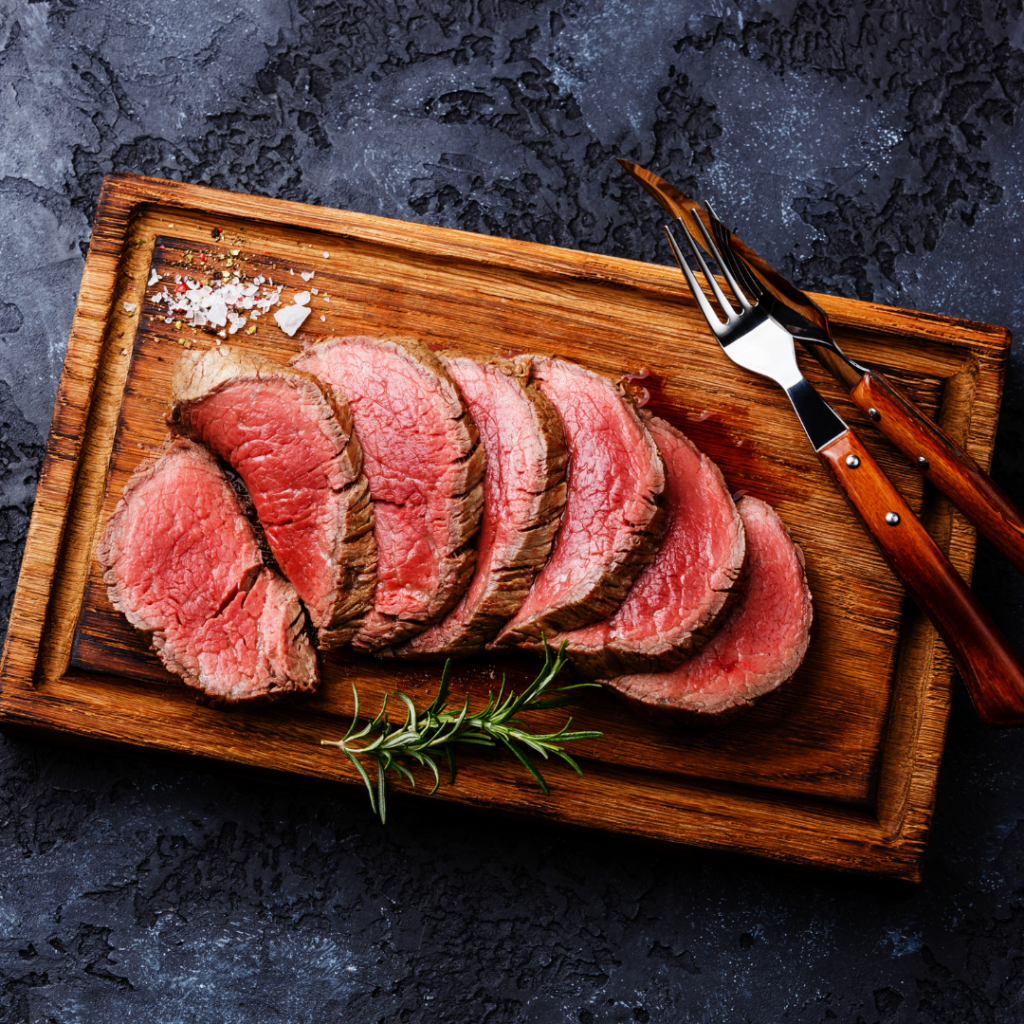
Tenderloin: A must-have center of the plate option for the season. This is a sought-after cut of meat known for its tenderness, lean profile, and exceptional flavor. Beef tenderloin is versatile and can be prepared in various ways to suit different preferences. What Chefs Want has tenderloin option to fit every chef’s need.

Choice Tenderloin (#00089) (#00535)

Trimmed Grain Fed Tenderloin (#30625)*

Black Hawk Reserve Tenderloins (#26956) – 100% F1 American Wagyu Beef from Black Hawk Farms

Prime Lipon Ribeye (#00171)*: The ribeye’s high fat content makes it well-suited for grilling. The fat renders during cooking, creating flare-ups that contribute to a flavorful sear on the exterior.

Beef Shanks (#26692)*: Beef Shanks provide a heartwarming and bold option for holiday diners. beef shanks are favored by chefs for their rich flavor, versatility in cooking methods, budget-friendly nature, and ability to contribute to the creation of deeply satisfying and comforting dishes.

Ham

Loved for its ability to embody tradition and innovation simultaneously, ham has become a holiday staple, bringing comfort, flavor, and a touch of sophistication to festive gatherings. Let’s check out some favorites for the center of your table.

Berkshire Honey Glazed Hams (#01036)*: This fully cooked whole Berkshire honey glazed ham is slow smoked over applewood chops to enhance the flavor. Its savory and slightly sweet flavor profile complements a wide array of festive accompaniments.

Spiral Ham Halves (#00447)*: This is a fully cooked, spiral sliced, bone in, honey glazed ham that is synonymous with the holidays.

Poultry

When it comes to holiday menus with duck and chicken, steer clear of standard cuts to offer a refined culinary experience. From the indulgent richness of duck to the diverse possibilities presented by unique chicken cuts, such as osso bucco, chefs can transform holiday poultry into masterpieces that go beyond the ordinary, ensuring a sophisticated and memorable dining experience.

Duck Leg & Thigh (#00890), Duck Breast (#00841): Contrary to its poultry companions like chicken and turkey, duck strides into the realm of red meat, ushering in a diverse flavor profile akin to steak. Maple Leaf Farm duck has no artificial ingredients.

Poulet Rouge Fermier (#00847): When you want the most succulent chicken the world can offer, you want Poulet Rouge Fermier. This renowned breed has an irreplaceable standing in French cuisine.

Airline Breast (#72001): This is a boneless, skin-on half breast with the first wing joint attached, between 7-9 oz each. The attached wing drumette not only adds an aesthetic appeal to the plate but also gives the dish a distinctive and elegant look.

Chicken Osso Bucco (#00909): Transform a classic dish with a holiday twist —Chicken Osso Bucco brings comfort and elegance to the table. This is Frenched drumstick with the meat pulled down towards large end resembling a “Lollipop”.

Lamb

From succulent lamb leg to tender loin chops and impressive New Zealand lamb racks, offer a spectrum of flavors and textures for lamb enthusiasts. The versatility of lamb allows chefs to showcase their culinary creativity, offering a unique and memorable dining experience that complements the celebratory atmosphere of holiday gatherings.

Lamb Leg (#62505)*: The lamb leg is known for its tenderness. It is a prime cut that responds well to roasting, grilling, or slow cooking methods, allowing the meat to become fork-tender. This is a lamb leg from Freedom Run Farms is deboned, rolled and tied.

Lamb Loin Chop (#62526)*: Lamb chops are prized for their tenderness and rich flavor. The meat closer to the bone often carries more flavor, and the delicate nature of the chops makes them a favorite among those who appreciate a more refined taste. Each chop is cut to 1.5″ thickness and weighs approximately 7-8oz.

New Zealand Lamb Rack (#00408): A lamb rack is a premium and visually striking cut of lamb that is prized for its tenderness, succulence, and presentation.

Seafood

Including a variety of high-quality seafood into holiday menus allows chefs to showcase their culinary prowess, cater to diverse preferences, and wow customers with elegance, creativity, and a touch of indulgence.

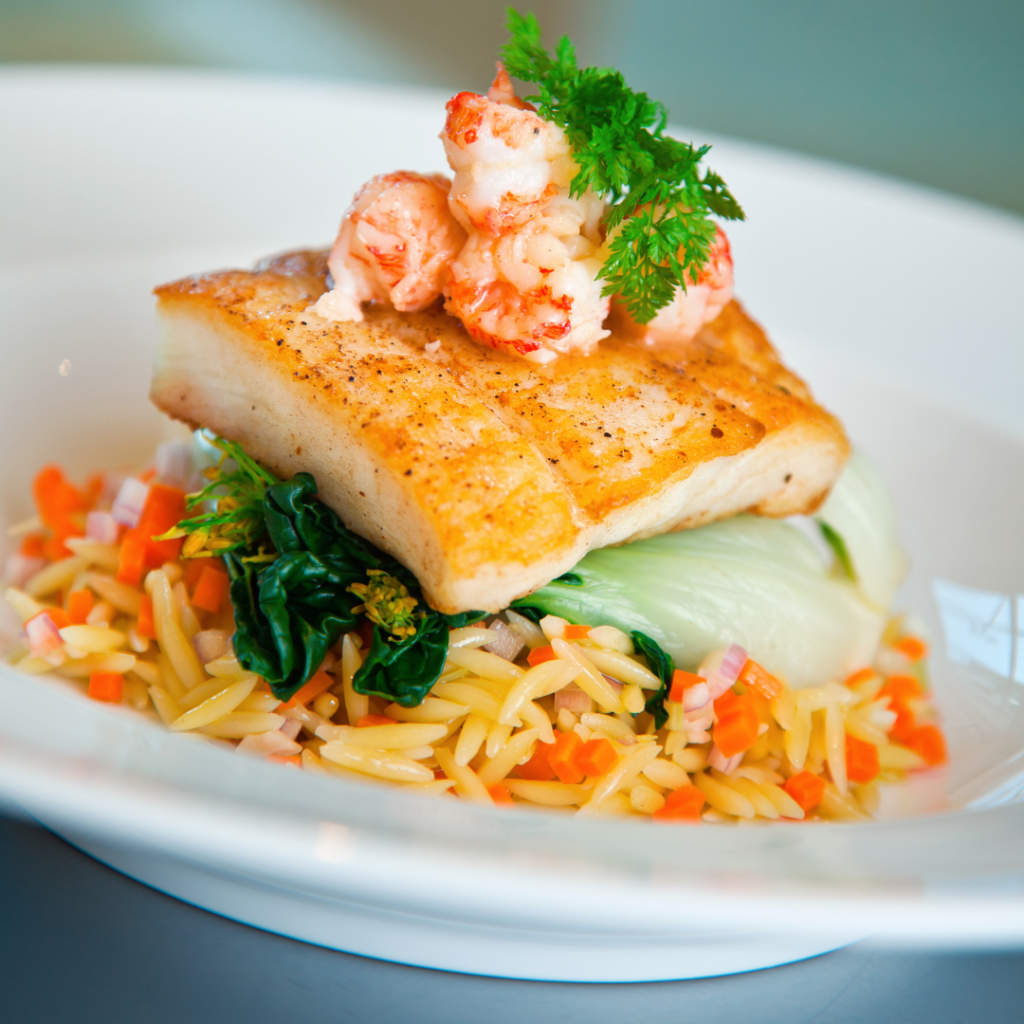
Halibut (#49148): Chefs appreciate halibut for its ability to serve as a canvas for culinary creativity. Its neutral taste allows for inventive flavor pairings, making it a versatile ingredient for both classic and contemporary seafood dishes.

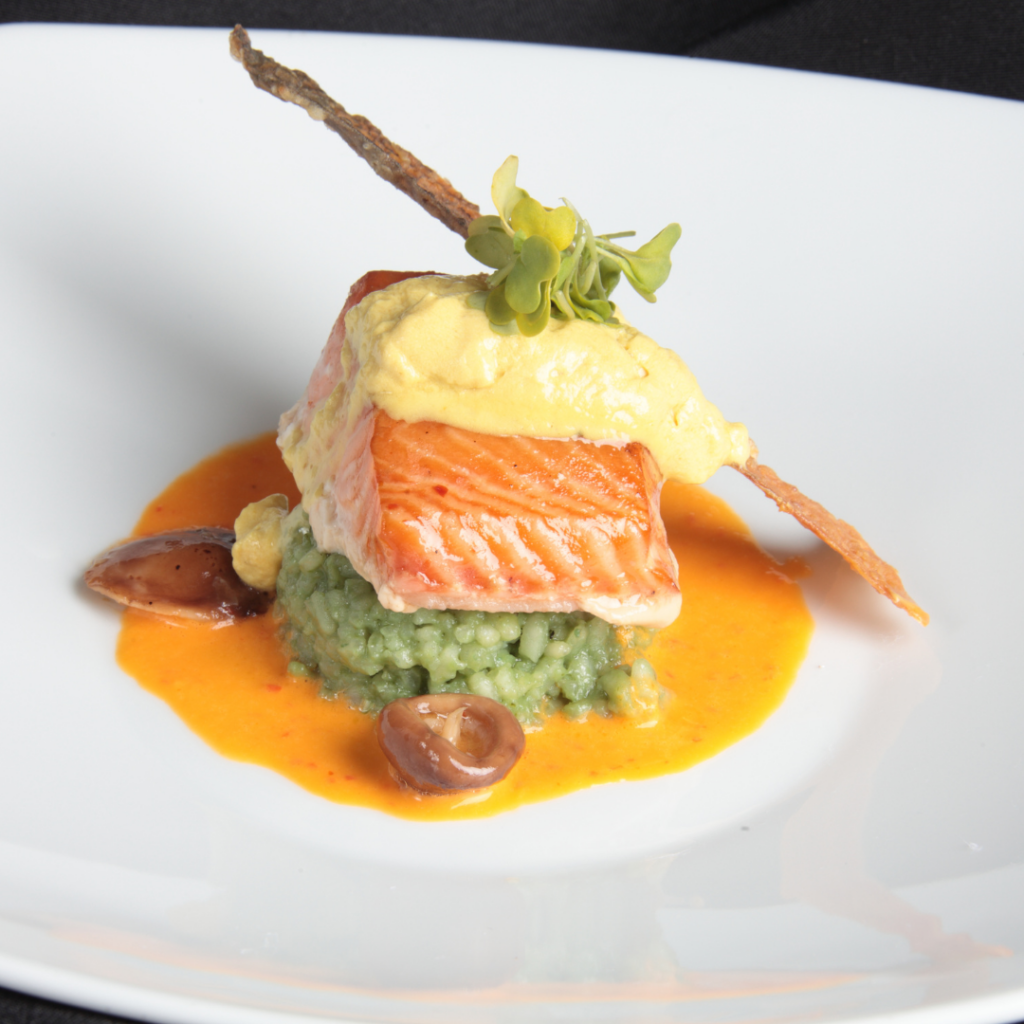
Ora King Salmon (#23794): Ora King Salmon, often hailed as the “Wagyu of the Sea,” is a premium breed of King Salmon (Chinook Salmon) known for its exceptional quality and flavor. The premium quality of Ora King Salmon makes it a favorite for gourmet presentations.

Seabass (#49141): Sea bass is renowned for its mild, delicate flavor, making it a favorite among seafood enthusiasts. The flesh is tender with a slightly sweet taste, allowing chefs to showcase its natural qualities through various cooking methods.

Swordfish (#48129): Swordfish has a firm, meaty texture, making it hold up well to various cooking methods, allowing chefs to create hearty and satisfying dishes. The dense texture of seabass steaks allows them to hold up to high-heat cooking methods, resulting in a satisfying sear on the outside while maintaining juiciness on the inside.
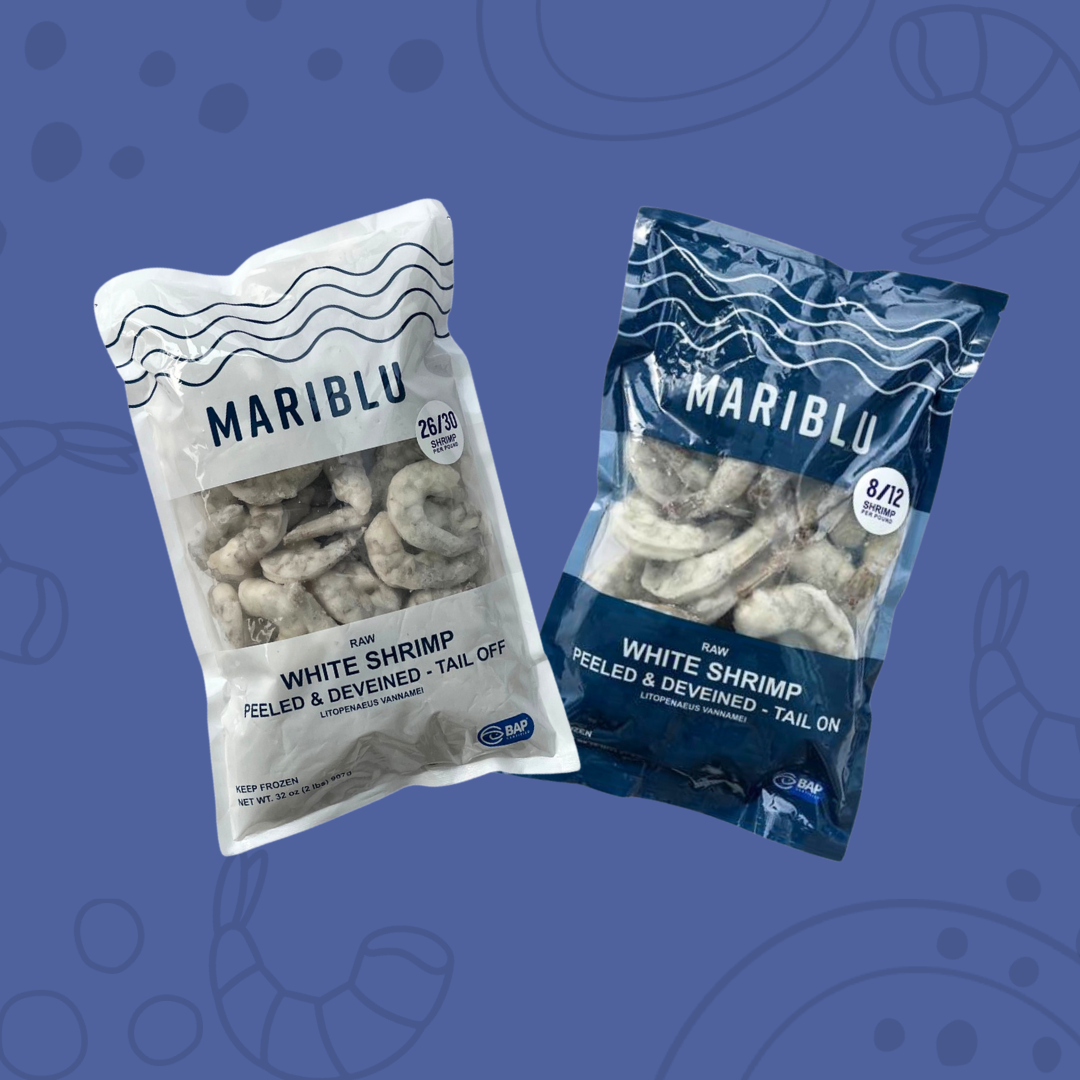
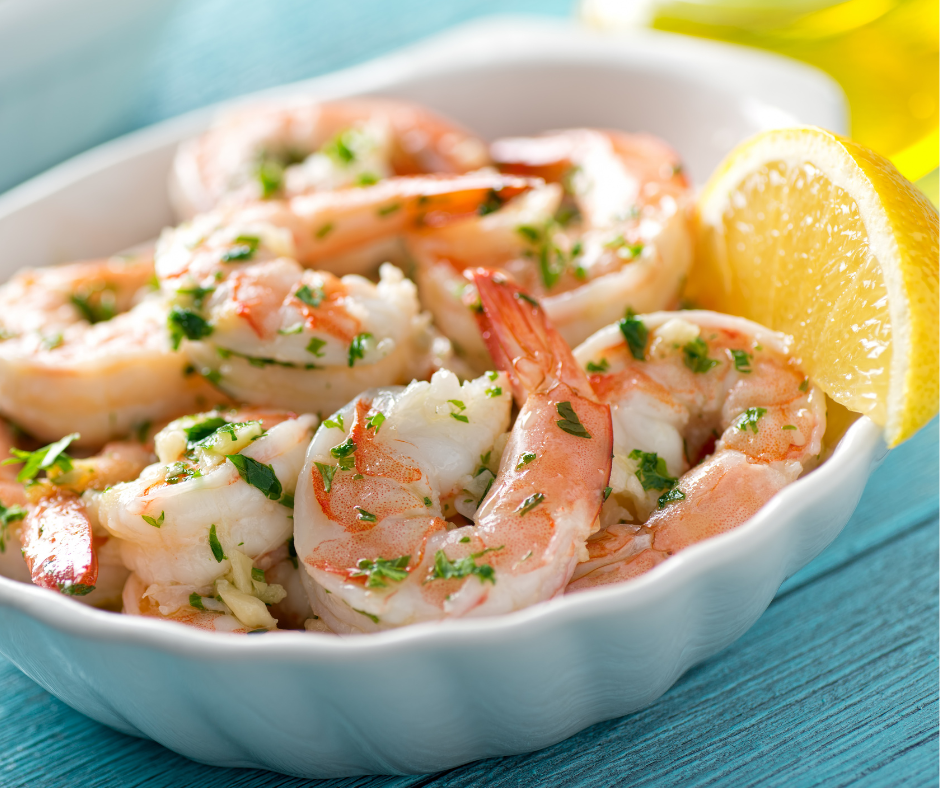
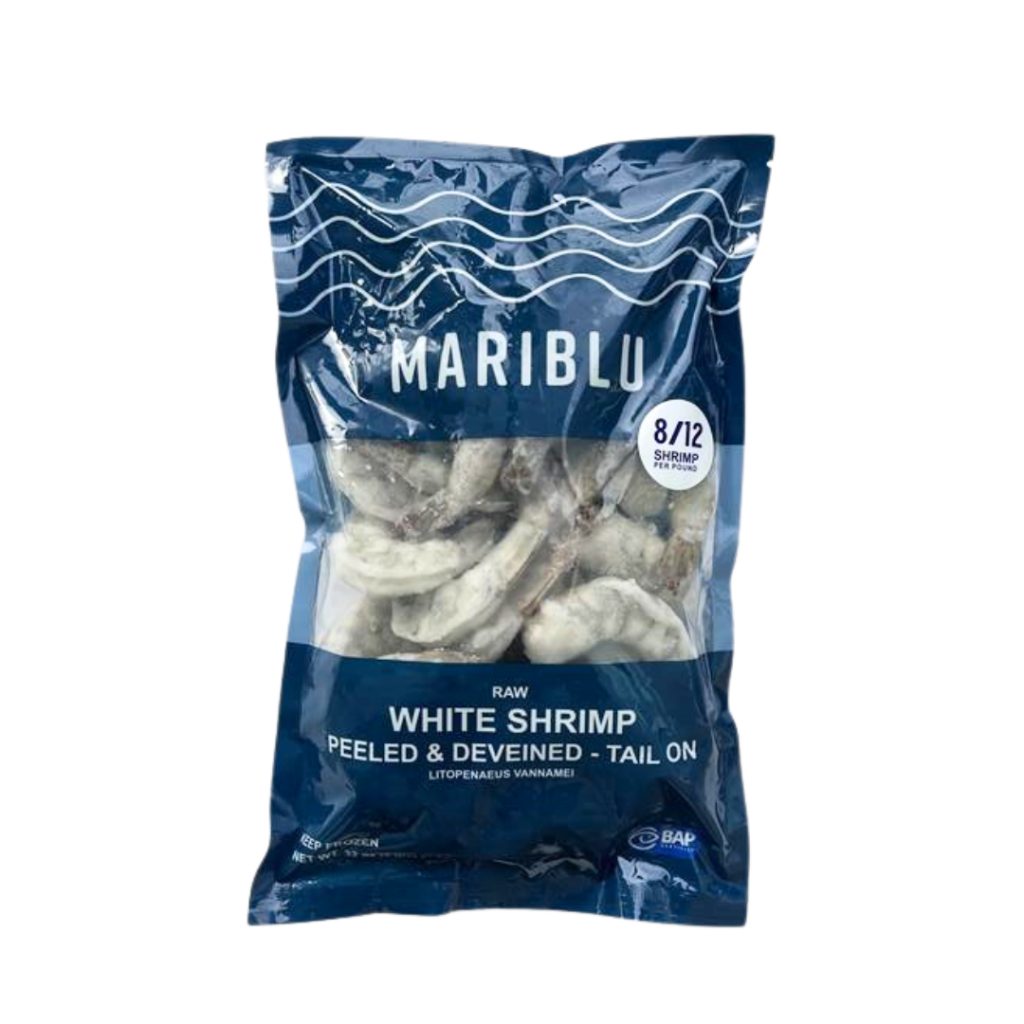
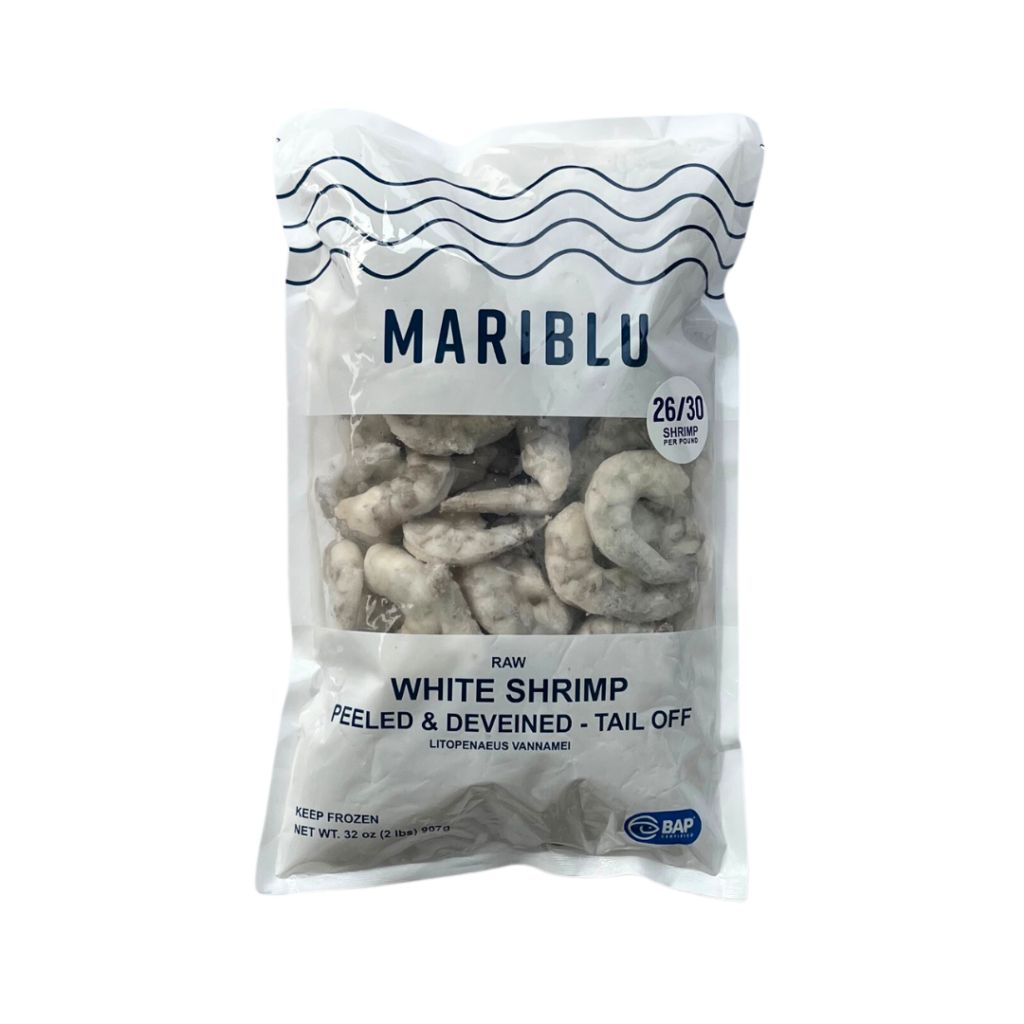
Mariblu Shrimp (#33206): These delectable shrimp are renowned for their exquisite flavor, and what sets them apart is their commitment to both your palate and the environment. Mariblu Brand Shrimp are carefully sourced and processed to ensure they are 100% phosphate-free. 

Cooked Shrimp (#48633): These head-off, tail-on cooked shrimp are ready to use for your holiday menu needs.

Tempura Shrimp (#48709): These Shrimp Tempura Tzukuri are frozen and coated in a light, airy batter ready to be deep-fried to golden perfection.  The contrast between the crunchy exterior of the tempura and the tender, juicy shrimp inside creates a delightful sensory experience.

Bacon Wrapped Shrimp (#90610): These large tail-off shrimp are wrapped in lean bacon and held together with a toothpick skewer, ready to bake for a delightful holiday appetizer.  

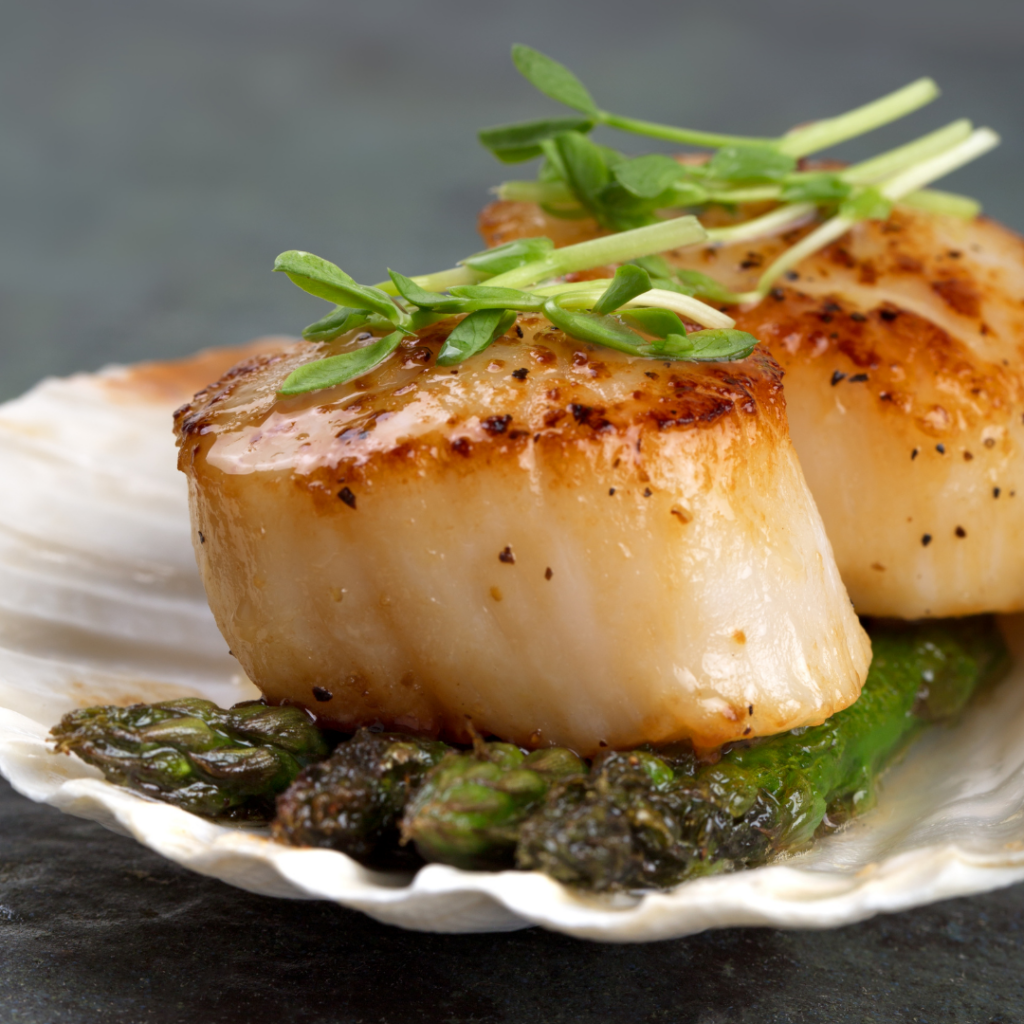
Scallops (#32713): Whether served as a delicate appetizer or the centerpiece of an exquisite dish, scallops remain one of the ocean’s most celebrated culinary treats. Scallops are known for their delicate, sweet flavor and tender, buttery texture.

King Crab Legs (#48396): When you hear the shell crack, the sweet, succulent crab is just moments away! The Red King Crab is the most majestic of all crab, with a tender, sweet, succulent meat unlike any other crab in the world.

Jumbo Lump Crab (#48204): Jumbo Lump is beautiful, whole pieces of firm, succulent white meat picked from the two large swimming fin muscles of the crab. This product is perfect for high quality crab cakes, cocktail presentations or sautéing. There are between 75-100 pieces per can.

Canadian Lobster Tails (#48423): Enjoy the mild, sweet, and distinctive flavor of these beautiful 7-8 oz lobster tails caught in the pristine, cold waters of eastern Canada. Frozen raw and uncooked, they thaw easily and can be boiled, steamed, grilled or prepared your favorite way in minutes.

This holiday season, the National Restaurant Association survey reveals that consumers are eager to let restaurants handle the cooking, making it the perfect time to showcase your culinary prowess. With our premium center-of-the-plate options, you can create a holiday menu that not only reduces stress for your patrons but also leaves a lasting impression. As diners seek convenience, loyalty, and memorable dining experiences, What Chefs Want provides the ingredients to make your restaurant the holiday destination of choice. Happy holidays and happy cooking!

*Items may not be available in all regions and subject to availability

Zest Fest – Winter Citrus Season 

By | Chef's Feed, Local and Specialty, Produce, What Chefs Want

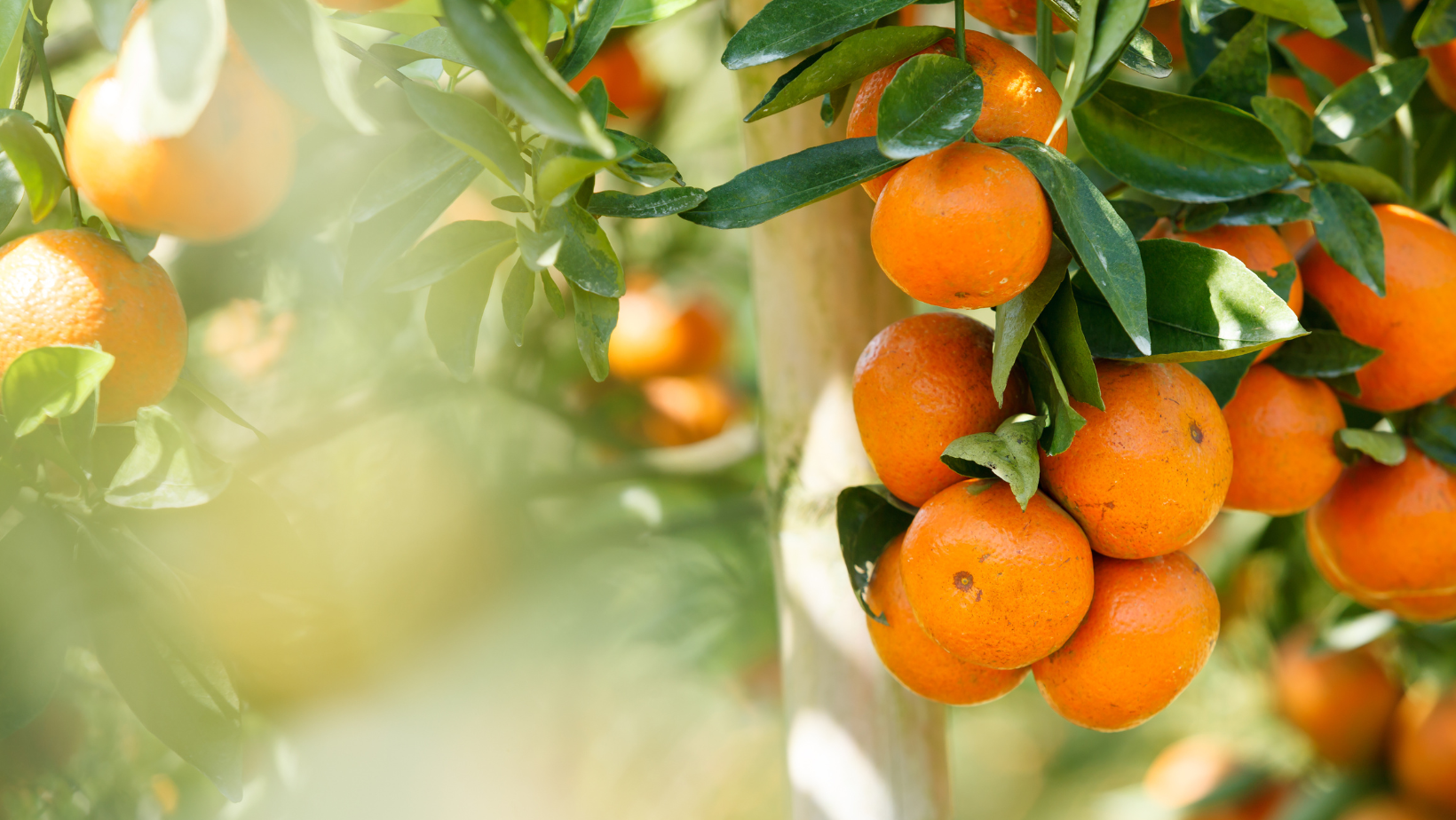
As the winter chill sets in, there’s a burst of vibrant flavors waiting to grace our tables—citrus fruits. Winter, often synonymous with cozy evenings by the fireplace and hearty comfort foods, also marks the peak of citrus season. Citrus not only adds a burst of sunshine to the gloomy winter days but also offers an array of health benefits.

Why is Winter Citrus Season?

In the winter, the geography of citrus cultivation plays a crucial role in the availability and diversity of citrus. While citrus trees are hardy and can thrive in various climates, certain regions become citrus havens during the winter months. California, particularly the Central Valley, is a major contributor to the winter citrus bounty in the United States. Here, the mild climate and fertile soil create optimal conditions for growing a variety of citrus fruits, from juicy oranges to tangy lemons. The southern regions of Florida also shine during the winter, with the Sunshine State living up to its name as a prime citrus-producing area. Internationally, countries like Spain, Italy, and Morocco are known for their winter citrus harvests, exporting a spectrum of flavors to global markets. The combination of these diverse growing regions ensures a continuous supply of fresh and flavorful citrus throughout the winter.

The Winter Citrus Lineup

Oranges:

Oranges are undoubtedly the reigning champions of winter citrus. Bursting with vitamin C, they offer a refreshing and immune-boosting kick. Varieties such as Navel and Cara Cara are particularly abundant during the winter months. Their sweet and tangy profiles make them perfect for both snacking and juicing. Chefs can experiment with orange segments in salads, create zesty marinades, or whip up a classic orange glaze for meats and desserts.

  • Naval Oranges: Naval oranges are known for their sweet and slightly tangy flavor. They are less acidic than some other orange varieties, making them a favorite for fresh consumption and juicing.
  • Cara Cara Oranges: Cara Cara oranges have a distinct flavor that combines the sweetness of traditional oranges with hints of cherry and berry. They are often considered sweeter and less acidic than Naval oranges.
  • Bergamot Oranges (item #03154): The flesh of Bergamot oranges is less juicy than that of other common citrus varieties, and it is typically not consumed fresh due to its tart and bitter taste. However, the peel imparts a unique citrus flavor with floral and slightly spicy notes.
  • Valencia Oranges: Valencia oranges are characterized by a sweet and slightly tart flavor profile. They are often favored for juicing due to their high juice content and well-balanced taste.
  • Blood Oranges: Blood oranges have a distinct flavor that combines the sweetness of oranges with berry-like undertones. The presence of anthocyanins, natural pigments responsible for the red color, contributes to their unique taste.

Grapefruits:

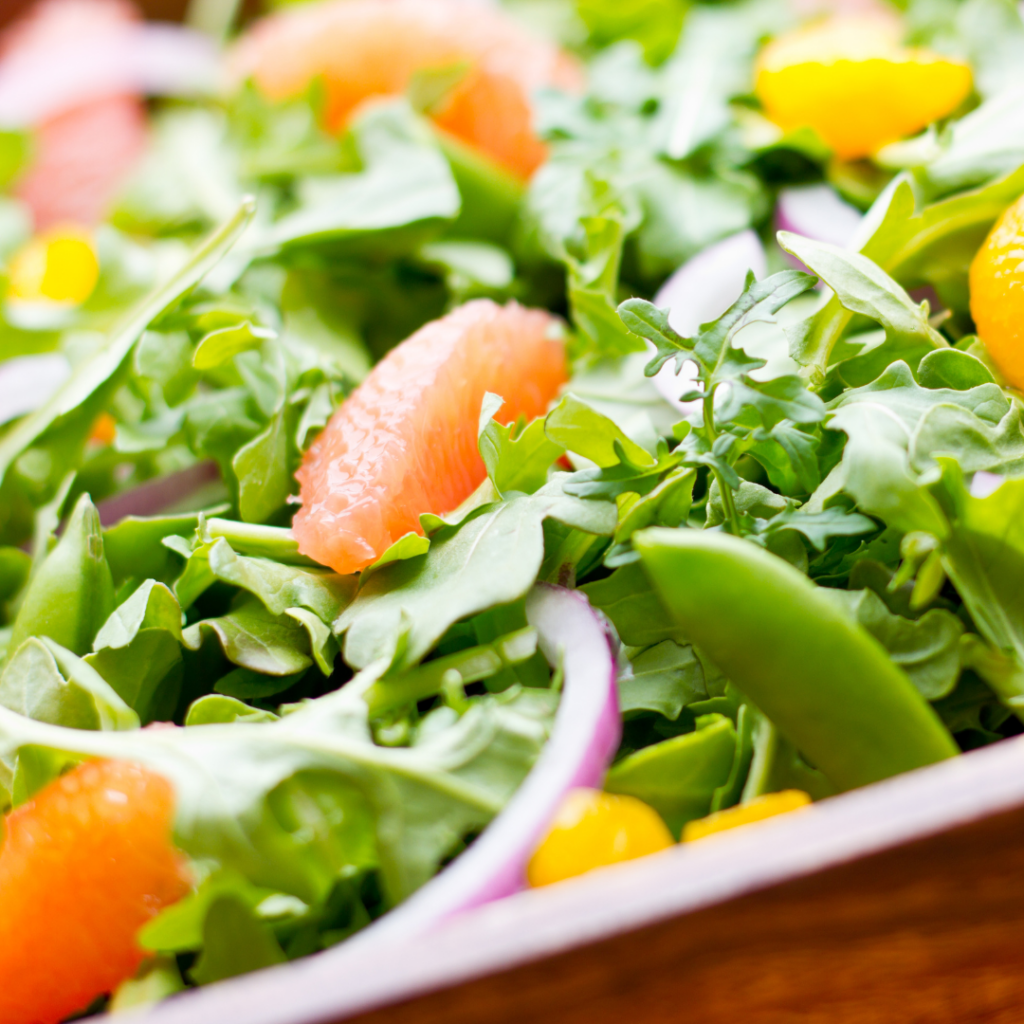
Grapefruits, with their invigorating tartness, add a sophisticated twist to winter dishes. Pink and red varieties dominate the market during this season. The bitterness of grapefruit pairs wonderfully with arugula in salads, or chefs can elevate seafood dishes with a grapefruit ceviche.

  • Ruby Red Grapefruit: The classic Ruby Red grapefruit is renowned for its vibrant red or pink flesh, offering a perfect balance of sweetness and tanginess. Its succulent and juicy texture makes it a popular choice for breakfast or as a refreshing snack.
  • White Grapefruit: White grapefruits, such as the Marsh or Duncan varieties, have a paler flesh and tend to be less sweet, with a sharper, more traditional grapefruit flavor.
  • Oro Blanco Grapefruits: A cross between a grapefruit and a pomelo, present a milder, less acidic taste, resembling a sweeter version of a traditional grapefruit.

Mandarins/Tangerines/Clementines:

Mandarins are the perfect snack-sized citrus delights. Easy to peel and bursting with sweetness, mandarins, including varieties like Satsuma, Gold Nugget, Shasta Gold, Ojai Pixie and Clementine (item #98755), are a winter favorite. Chefs can use segments in desserts, infuse their flavor into cocktails, or create a vibrant salsa to accompany grilled proteins.

  • Satsuma Mandarins (item #10543): Satsuma mandarins, often simply referred to as Satsumas, are a distinct and popular variety of mandarin oranges known for their sweetness, ease of peeling, and seedlessness.

Lemons:

While lemons are available year-round, their peak season often coincides with winter. Known for their bright acidity, lemons can transform any dish. Chefs can use lemon zest to enhance the flavor of baked goods, create a zesty lemon vinaigrette for salads, or whip up a classic lemon curd for a decadent dessert.

  • Meyer Lemons (item #10511): Meyer lemons are notably sweeter compared to traditional lemons. Due to their sweeter and less acidic nature, Meyer lemons are incredibly versatile in the kitchen and particularly prized in baking.

Limes:

Limes are a citrus fruit known for their bright green color, tart flavor, and versatility in various culinary applications. They are a popular ingredient in both savory and sweet dishes, adding a refreshing and tangy kick to beverages, salads, marinades, desserts, and more.

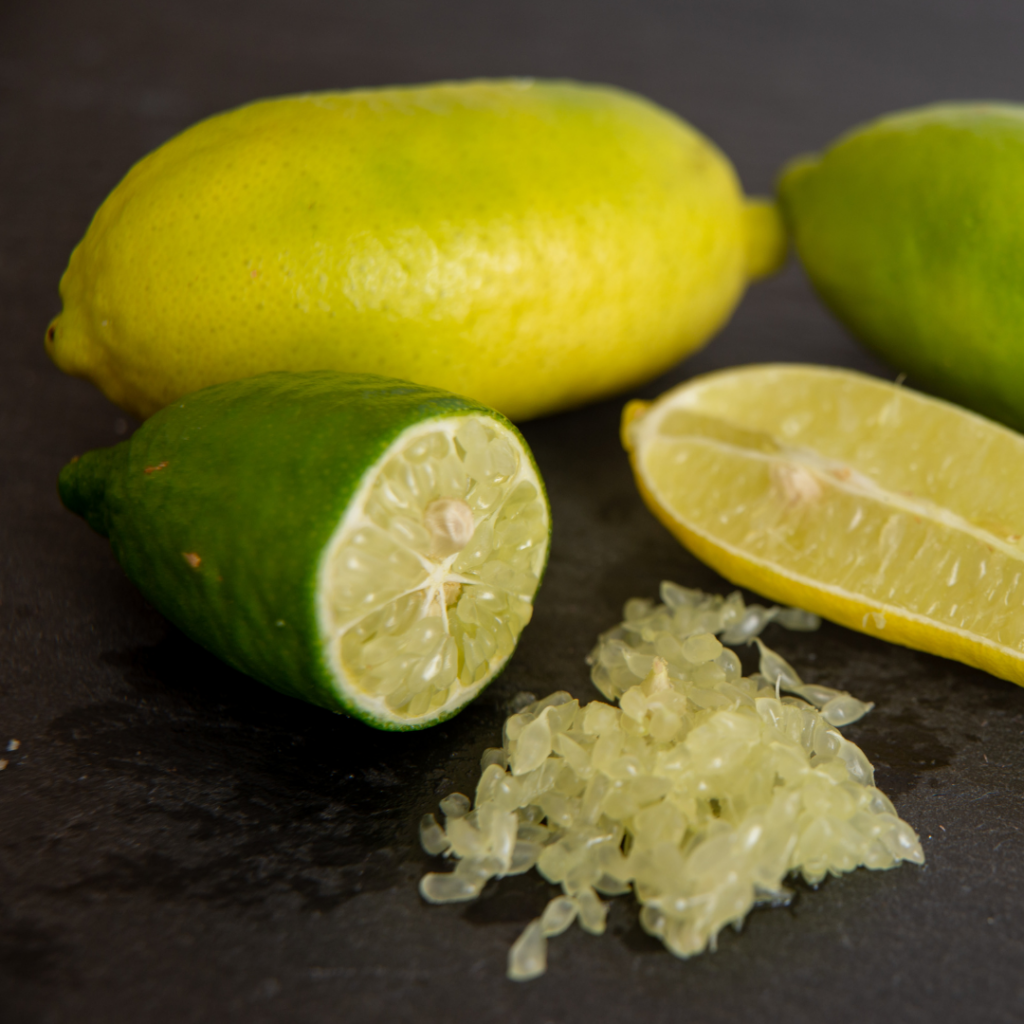
  • Finger Limes (item #40500): Finger limes, also known as caviar limes or citrus caviar, are a unique and tiny citrus fruit with a distinctive appearance. What sets finger limes apart is their elongated shape and the tiny, bead-like juice vesicles inside. These vesicles resemble caviar, giving rise to the alternative name. The flavor of finger limes is typically tart, similar to traditional limes, but with a unique textural experience.

Other:

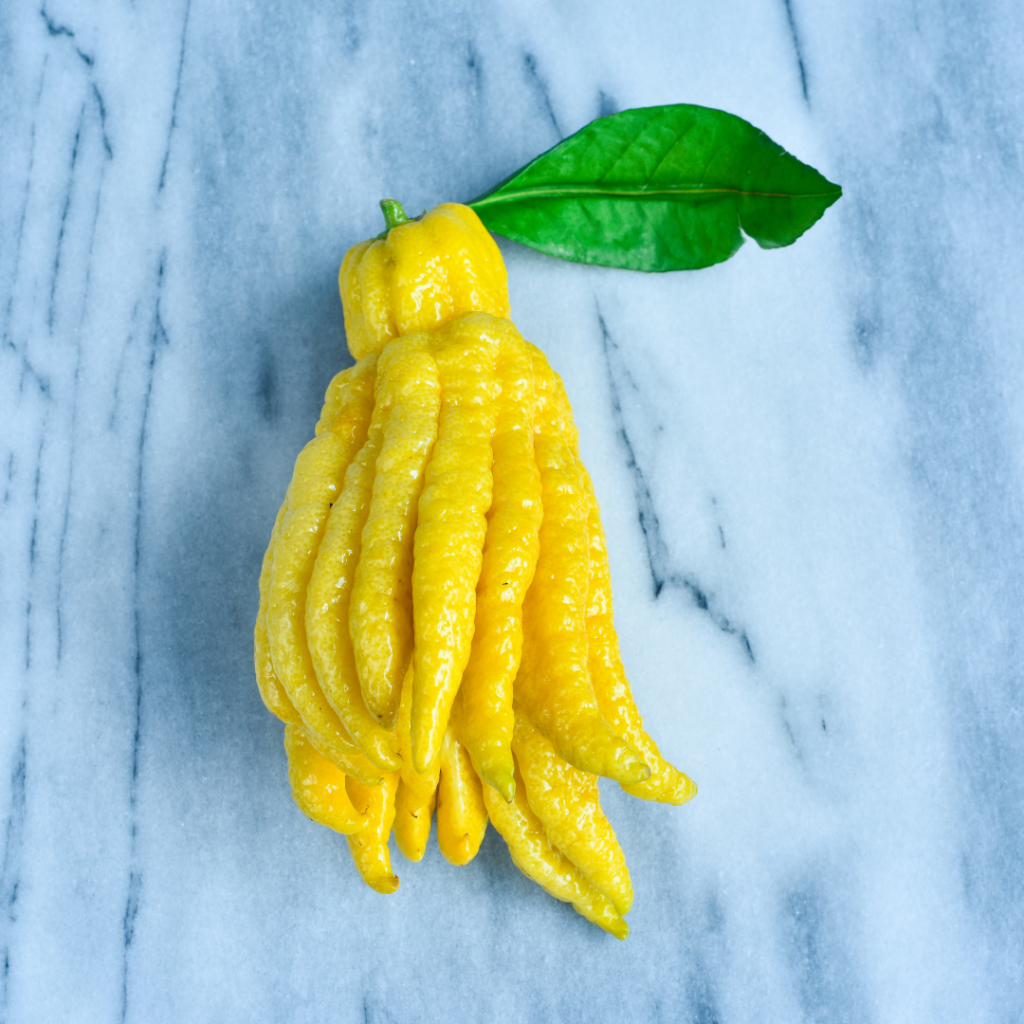
  • Buddha Hand Citron (item #20977): The flavor of Buddha’s hand citron is distinct and aromatic. It is known for its intense citrus fragrance without the typical juiciness or pulp found in other citrus fruits. One of the primary uses of Buddha’s hand is its zest. The peel is rich in essential oils, imparting a strong citrus aroma to dishes.
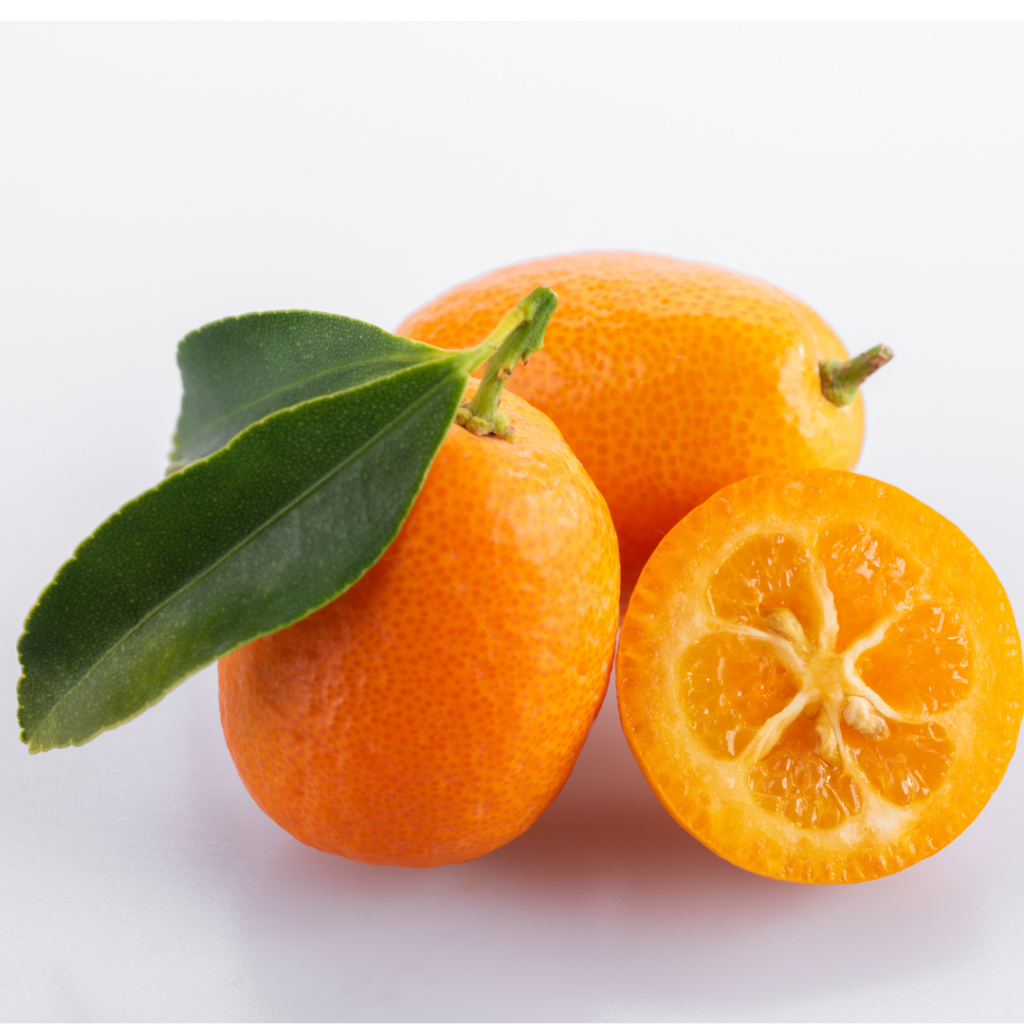
  • Kumquats – Unlike many other citrus fruits, kumquats are typically eaten whole, including the peel, which is sweet, and the flesh, which is tart. They add a distinctive sweet and tangy flavor to dishes and are often enjoyed fresh, candied, or used in jams and preserves.

Want the fresh citrus taste without the whole fruit? Check out our selection of Natalies Juices for fresh citrus juice options like blood orange, fresh lemon, fresh lime, grapefruit, orange and tangerine.


Citrus Inspiration

Citrus-infused Roasts:

Liven up your winter roasts by incorporating citrus flavors. Marinate meats in a blend of orange, lemon, and grapefruit juices for a refreshing and aromatic twist.

Winter Citrus Salads:

Create vibrant salads by combining a variety of citrus segments with greens, nuts, and cheese. The combination of sweet and tangy citrus adds complexity to the dish.

Citrus Desserts:

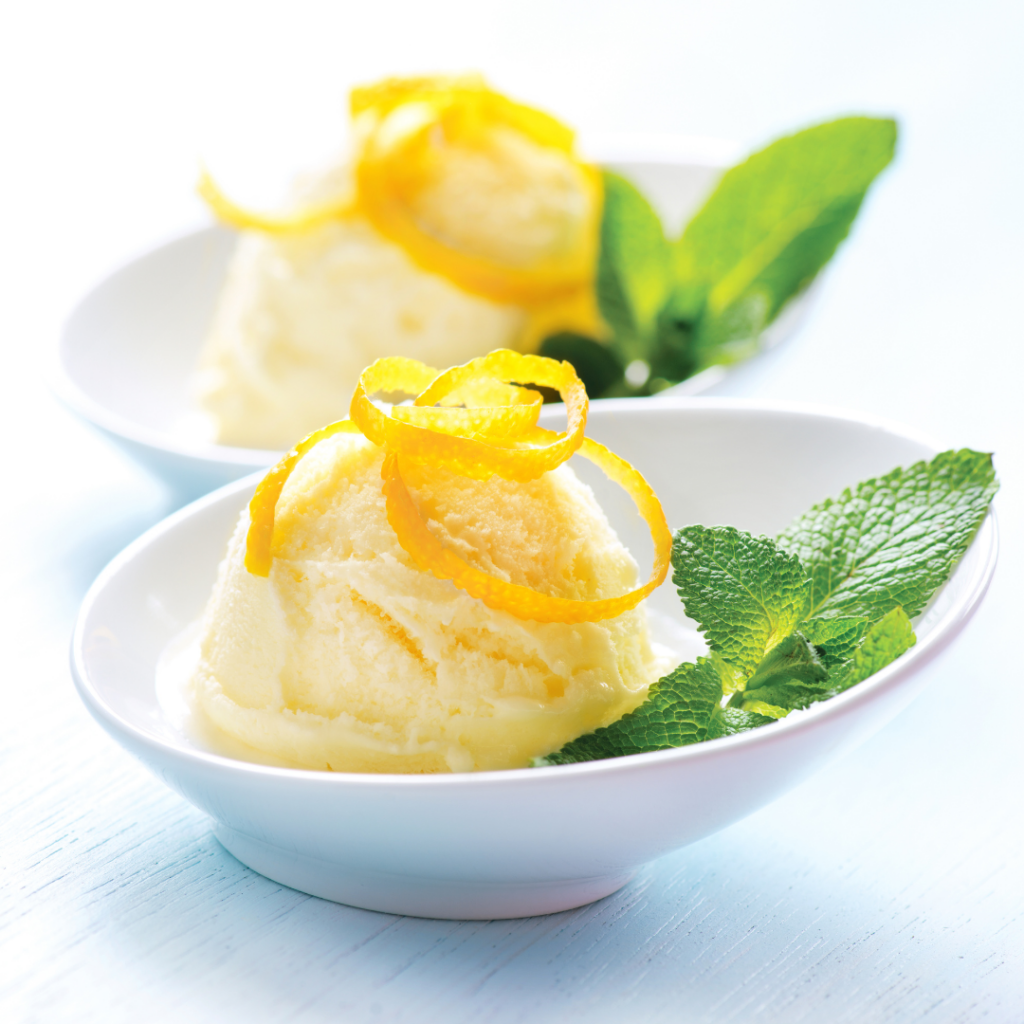
From tarts to sorbets, winter citrus can be the star of your dessert menu. Experiment with citrus curds, candied peels, or even a grapefruit and thyme-infused panna cotta.

Citrus-infused Cocktails:

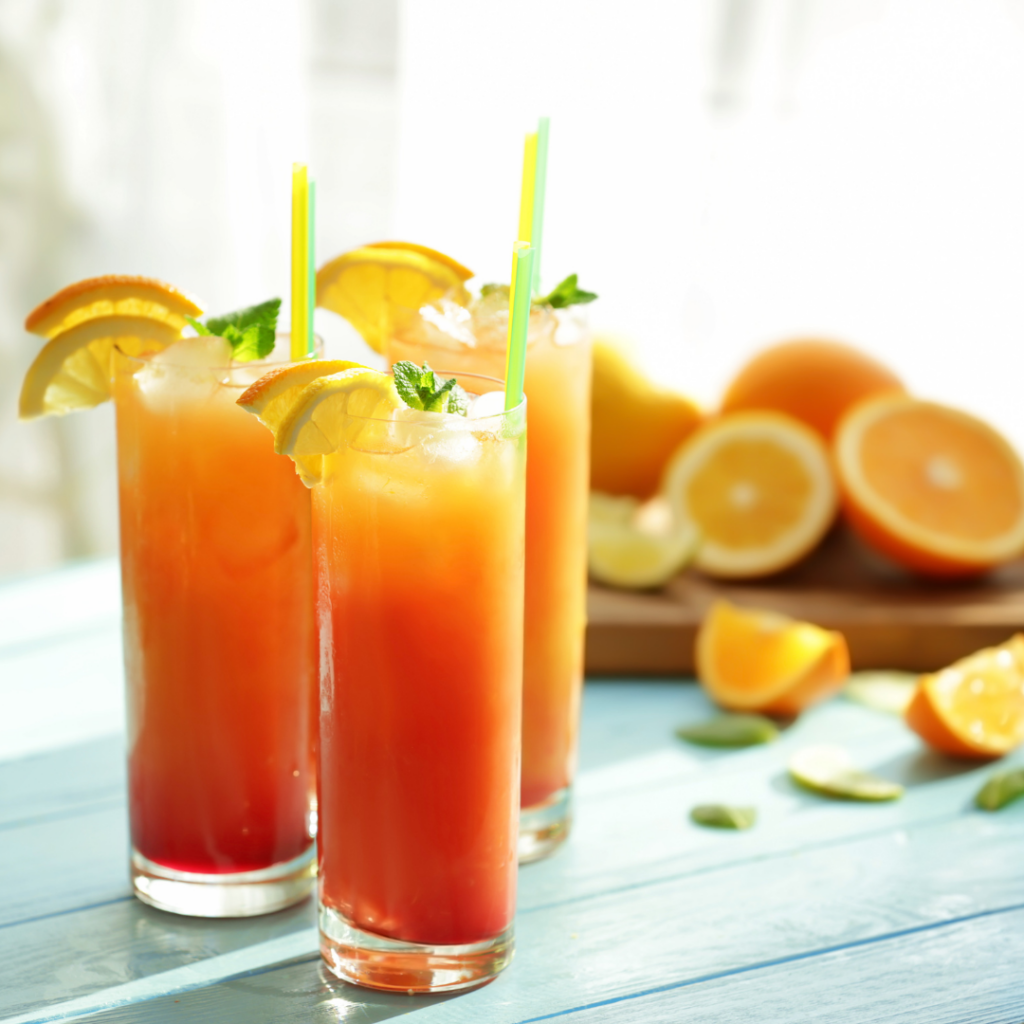
Craft refreshing cocktails using winter citrus. From classic margaritas with a twist of mandarin to grapefruit mojitos, the options are endless.

Winter is truly the season of citrus, offering a burst of flavor and a nutritional boost when we need it most. Chefs can explore the diverse world of winter citrus to create dishes that are not only delicious but also celebrate the unique qualities of each fruit. While some of our citrus comes and goes with seasonal availability, reach out to your customer advocate with questions or help sourcing something specific. So, let the citrus celebration begin, and infuse your winter with a burst of sunshine!

Nourishing Communities Through the LFPA Program  

By | Chef's Feed, Farm To Table, Local, Local and Specialty, Produce, What Chefs Want

In the heart of Kentucky, a remarkable initiative is making a significant impact on local communities. What Chefs Want, in collaboration with the Kentucky Department of Agriculture, is taking part in the Local Food Purchasing Agreement (LFPA) program. This is a venture that goes beyond just providing meals—it’s about building stronger local food systems and supporting Kentucky farmers. The LFPA program is authorized by the American Rescue Plan to maintain and improve food and agricultural supply chain resiliency.

Connecting Families with Local Goodness

Since its launch, the LFPA program has successfully connected thousands of Kentucky families with the bounty of local seasonal produce, value-added goods, and meats. The goal is simple yet profound: ensuring that families have access to fresh, locally sourced food at no cost.

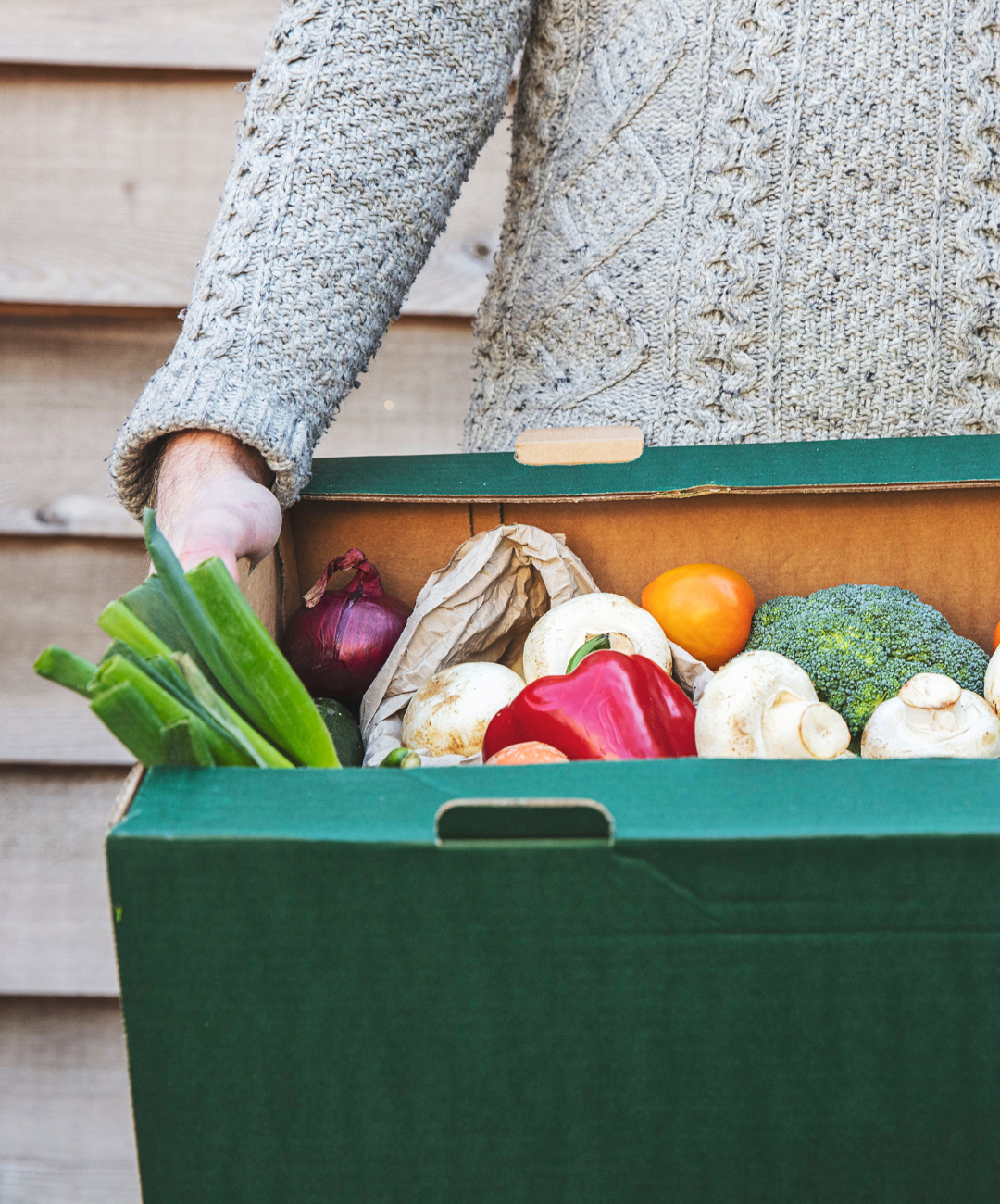
In Kentucky, What Chefs Want is playing a pivotal role in the program by packing and distributing food boxes from the Bardstown warehouse, while also administering and funding distributions through key subcontractors such as Black Soil KY, Need More Acres and Locals Food Hub & Pizza Pub. The goal is ambitious: pack and distribute a total of 30,000 boxes in collaboration with partners by the summer of next year. Together, they are actively strengthening the local food system, supporting farmers, and creating a network that benefits both producers and consumers alike.

What Chefs Want has been actively involved in this project for a year, operating within a broader framework that includes the LFPA, the Federal purchasing program, and collaborations with various states, including Ohio and Kentucky. In Ohio, the team has been packing 500 boxes a week for the  Second Harvest Food Bank of the Mahoning Valley in Youngstown, showcasing the success and scalability of their efforts.

LFPA Grants: A Closer Look

The LFPA program is backed by a substantial grant of $11,035,420 from the USDA, extending the grant period to August 2025. Exclusive purchases of local and regional foods, networking opportunities, and financial benefits for locally produced goods are key priorities.

What Chefs Want’s involvement in the LFPA program exemplifies a commitment to community well-being, sustainable food systems, and supporting local farmers. As they continue to make strides in Ohio and Kentucky, the impact of their efforts is not just seen in the numbers but felt in the lives of the families they serve. The LFPA program is a shining example of how partnerships between government agencies, businesses like What Chefs Want, and community organizations can create lasting positive change.

Love City’s Recipe for Success  

By | Catering, Chef's Feed, Meats, Pork, What Chefs Want

Tis’ the season of giving and we wanted to take this opportunity to start sharing some stories from our incredible customers who give back to their communities!

One such inspiring tale comes from Inga Arvin, who, alongside her husband Shawn Arvin, founded Love City eight years ago this month. Their journey began with a leap of faith, moving from the other side of town to the Portland neighborhood of Louisville, KY without a grand plan or any idea what they would eventually build for the community there. We had the privilege of sitting down with Inga to delve into the incredible story of Love City. Below we’ll explore its evolution from open gym to a flourishing community hub, and how the connection of dining together helped build deeper relationships to connect a community.


Will you just give me a little bit of an idea of how Love City came to be?

Inga: My husband, Shawn, and I started Love City, eight years ago this month.

We lived on the other side of town and we felt a calling to move down to Portland. We came down here with no agenda, no grand plan, and we had no idea that we would be opening a nonprofit or doing any of this. We just felt like we wanted to move into the neighborhood and be a part of the community.

We found a house that had been boarded up for about 30 years, and when we approached the owner about buying it, he said he would give it to us if we purchased the old Community Center next door. We took the leap without a plan on what we would do with the Community Center.

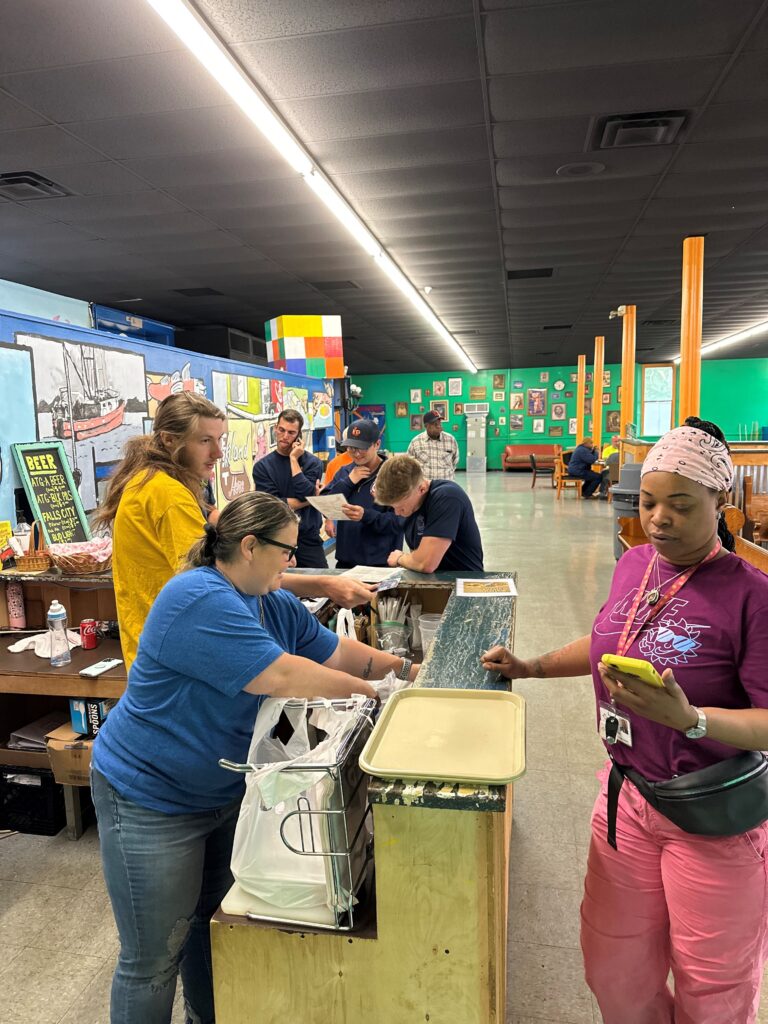
While we were renovating the house, we saw so many kids walking down the street, bouncing basketballs with not a lot of places to go and play. We had a huge basketball gym in the community building just sitting empty, so we thought, well, let’s just have open gym. We started opening the gym for the community and very quickly, had 100-300 kids a day coming to the open gym. At that point we realized we should form a nonprofit, get some insurance, and raise some money to pay the light bill. So that’s what we did!

And you started raising money next?

Inga: We started a fish fry out of the back cafe area to raise money to pay the light bill. We started getting to know the people in the community and building relationships and really listening to see what it was that the community wanted and needed. Through the course of the next few months, we developed the mission statement of Love City, which is to simply love our neighbors and community, creating a culture that empowers a movement of loving people as they are. We started having large events, just to build trust and listen to more neighbors.

From a basketball open gym into food service! How else did you incorporate dining into the area?

Inga: About a year and a half into it, we were approached by the Archdiocese who asked if we wanted to buy an old Catholic campus just a block away from our original building. This gave us access to a commercial kitchen & bingo hall, so we moved the fish fry over there.

One of Love City’s pillars is economic stimulation and we saw the opportunity to bring a sit-down restaurant to the community. We wanted to hire people from the neighborhood and give the community a place where they can gather for food. And so that’s what we did when we opened Porkland BBQ. That’s when we started our relationship with What Chefs Want. And you all were gracious enough to partner with us as we got started and we still work with you to this day!

I feel like there’s a connection between food and bringing the community together in your story. Is that something you started out trying to do? Or is that something that you just found along the way?

Inga: Definitely something we found along the way.  When we started the fish fry in the back of the Community Center building, we were doing it because we needed to raise money to pay the lighting bill, which was more than the mortgage at that point. But what we saw more and more, is that people would reconnect with neighbors and community members while waiting in line.

The community had disintegrated a bit over the years. People would go to their homes, shut the doors, stay safe, but this gave them the opportunity to get back out in the community, get food and run into five neighbors they didn’t know still lived in the neighborhood. And so now, this has grown into Porkland BBQ, and we’re still open every Friday, and now we have the barbecue added as well as fish.

Food is a great equalizer and a great draw.

There is a community that is reconnecting. And then there’s the community of regulars that come every Friday without fail, that have become sort of like a community within a community themselves. We know them, they know us and we check on them if they’re not here. It has created multiple levels and layers of community and I love that.

And taking community and food to another level, you have a community garden. How did that get started?

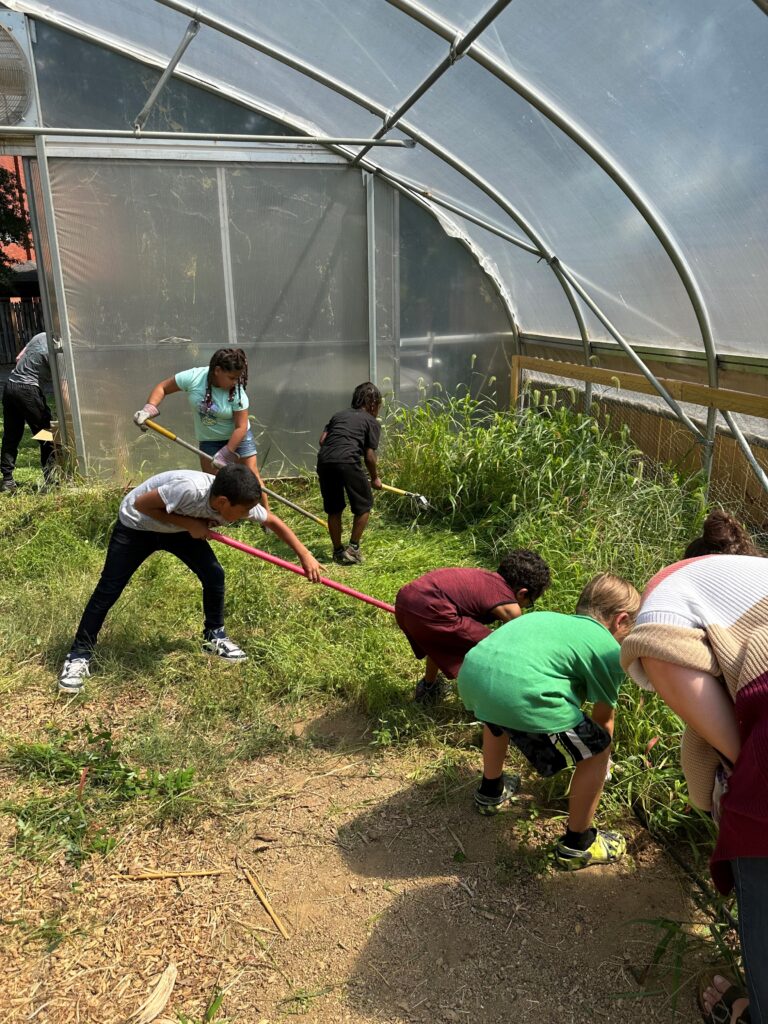
Inga: We were able to purchase that vacant lot right across the street from the community building. We were out there, making some raised beds, mowing, and cultivating it, when a man from the USDA Urban Agriculture Program approached us. He helped us with a grant, walked us through the process, and we now have two coded USDA urban farms with high tunnels and rainwater collection systems.

What do you see in the future for Love City?

Inga: The community sort of dictates what it needs and what it wants.

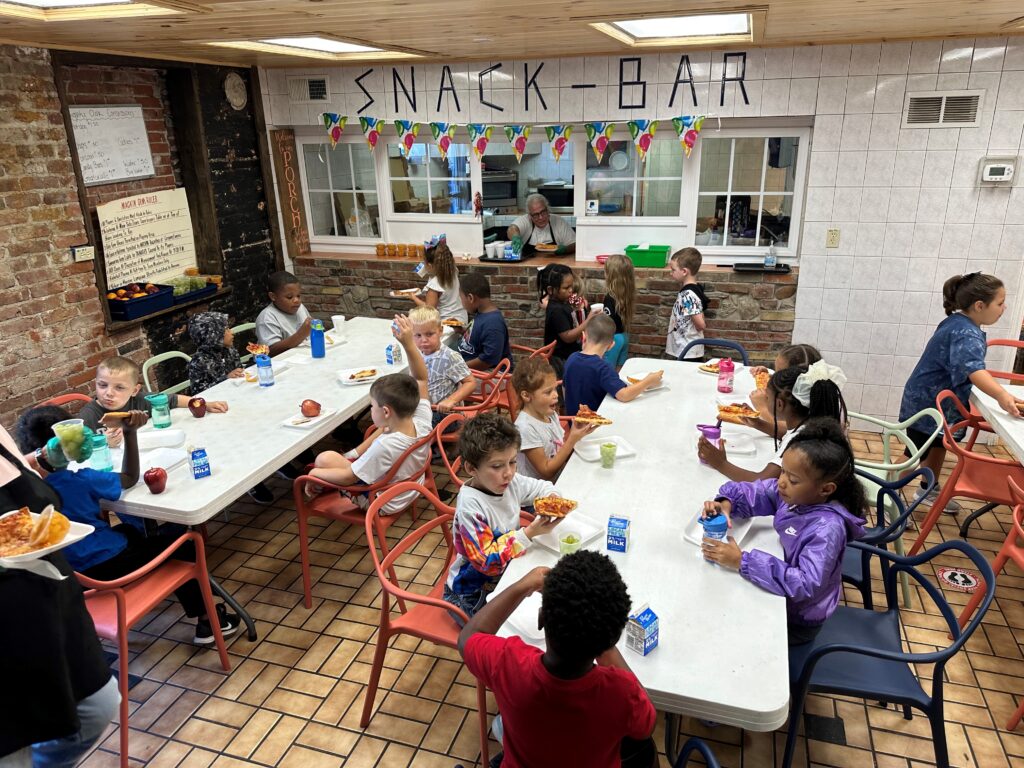
For example, we never thought we would start a school, right? But here we are with Might Oak Academy, a K-8 school in the community center building that we had originally purchased. We are also set to reopen the preschool on an even larger scale, relocating it to another property down the street that we acquired in 2019.

In the beginning of Love City, it was more relationship-building and now we’re in the stage where we are more in the work. We are deeper into relationships with the families that we have because of the school, so that’s the next phase, developing communities and going deeper with those folks to see where we can make a difference for them and the community.

So you never know what might happen. Right?


If you want to learn more about Love City or Porkland BBQ you can visit their websites, linked here.

If you are a What Chefs Want customer and have a restaurant that gives back to the community in a significant way and want to be featured, please reach out to lkellum@whatchefswant.com. We’d love to tell your story and share your good work in the communities you serve!

Mariblu Shrimp: Your Sustainable Seafood Solution  

By | Chef's Feed, Seafood, What Chefs Want

In the world of cooking, chefs constantly seek top-quality ingredients that are not only delicious but also environmentally friendly. That’s where Mariblu Shrimp, exclusively available at What Chefs Want, shines.  Offering a range of sizes and types, it’s the perfect option for chefs in search of the best shrimp. Let’s dive right in and explore what makes Mariblu stand out for both your palate and the planet.

From Hatchery to Plate: The Freshest Shrimp You’ve Ever Tasted

At What Chefs Want, we understand the importance of freshness when it comes to seafood. Our Mariblu brand shrimp is meticulously sourced and processed, ensuring you experience the freshest shrimp possible. But what sets Mariblu apart from the rest?

Phosphate-Free, Naturally Delicious

Our Mariblu Shrimp proudly maintains a 100% phosphate-free profile. By foregoing the use of phosphates, we not only preserve the natural flavors of the shrimp but also contribute to a healthier dining experience. Phosphates, when used in shrimp processing, can negatively impact the taste and texture of the shrimp. Phosphates can cause shrimp to absorb more water and potentially become mushy or spongy, so chefs often prefer the natural, firm texture of phosphate-free shrimp, especially in dishes where texture is crucial. In addition, using phosphate-free shrimp reduces the risk of allergic reactions.

What makes the phosphate-free aspect so crucial for the environment?

The use of phosphates in shrimp processing can lead to several environmental issues. Phosphate runoff from processing facilities can find its way into our waterways, causing water pollution and potentially harmful algal blooms. These environmental consequences can negatively impact marine ecosystems and the communities that depend on them. By choosing Mariblu Shrimp, you’re actively participating in the preservation of our oceans and the health of the communities that rely on them, making every bite of Mariblu shrimp an ecologically conscious choice.

A Commitment to Environmental Wellness

Mariblu Shrimp holds a prestigious 4-star BAP (Best Aquaculture Practices) certification, which is a testament to our unwavering commitment to responsible and sustainable aquaculture practices.

A “4-star BAP certified” designation means that a seafood product or aquaculture facility has achieved the highest level of certification from the Best Aquaculture Practices (BAP) program. It indicates that the product meets BAP standards in four important areas: processing, farm, hatchery, and feed mill. This certification assures consumers that seafood is produced responsibly and sustainably, with a focus on environmental and social responsibility throughout the aquaculture process. It’s a strong endorsement of good practices in the industry and we take pride in offering shrimp that not only tastes amazing but also upholds our dedication to sustainable practices.

A Variety to Satisfy Every Chef for Every Need

One of the most exciting features of Mariblu Shrimp is the sheer variety it offers. As a chef, you know that having a range of options at your disposal can allow you to expand your menu and give you the creative freedom you need. With Mariblu, you can choose from various sizes, to fit your every need.

But that’s not all – whether you prefer your shrimp raw or cooked, with shells on or shell off, Mariblu has an incredible selection of options to cater to your specific menu needs. This extensive variety empowers you to explore and experiment, making every dish a unique masterpiece.

Healthier for You, Better for the Planet

Mariblu Shrimp is a win for chefs who value quality, sustainability, and flavor. With its dedication to freshness, phosphate-free purity, and sustainable practices, Mariblu Shrimp and What Chefs Want are your ideal partners in creating extraordinary dishes that are both delicious and environmentally responsible. It’s time to experience the difference for yourself. Your palate and the planet will thank you.

You can find Mariblu Shrimp exclusively at What Chefs Want. Order on the website or app.

Click on the links below to view the entire list of our Mariblu shrimp:

From Kodiak to the Kitchen: The Search for Alaska’s Freshest Seafood  

By | Chef's Feed, Farm To Table, Seafood, What Chefs Want

At What Chefs Want, we’re proud to bring you a truly unique and unparalleled seafood experience through our Boat Direct program. Our team of fishmongers walk the docks daily to handpick the freshest catches straight from the source. This brings our chefs a true dock-to-dish experience. We’ve recently expanded this program to ALASKA – bringing you the freshest, most exciting fish from Kodiak Island.  

At the helm of this visionary program is Kelly Probst, a seasoned industry expert with an unwavering commitment to excellence, and a passion for fish that he pours into absolutely everyone that he speaks to. Join us for a chat with Kelly where he introduces how this innovative program and additional location empowers chefs with unprecedented quality and freshness, setting a new standard in the industry. 

Kelly, can you provide some background on your journey to becoming a part of What Chefs Want and your role as Director of Seafood Purchasing? 

Kelly: I earned my international business management degree at BYU in Hawaii and spent about a decade working in the banking industry in Southern California. However, the 2008 financial crisis prompted me to reevaluate my career path. I decided to follow my passion for fish, which led me to pursue a master’s degree in aquaculture and aquatic science in Kentucky.  

During that time, I worked on a USDA grant, collaborating to connect local fish farmers and high-end chefs. The objective was to explore if we could eliminate the middleman and enable direct transactions between fish farmers and restaurants. However, I soon realized that fish farmers farm and chefs are busy in the kitchens which led to the need for a middleman. So, I ventured to Florida and started working with a company. Over time, I built relationships with fishermen and introduced chefs to underutilized fish species.  

My path eventually led me to a meeting with Ron, the founder of What Chefs Want and we shared the same vision. I ended up selling my company to Ron, and we embarked on a journey to provide chefs with the finest, most sustainable, and freshest seafood. We’ve expanded our reach over the years, covering not just Florida but also the East Coast and the Gulf, establishing connections with a wide range of fishermen.  

Kodiak, Alaska, was the next step in our journey. Our goal has always been to deliver that “wow” factor to chefs when they receive our seafood, and it’s something we’re continually dedicated to. 

You’ve discussed the benefits of having a fish house located right on Kodiak harbor. Can you elaborate on how this setup allows What Chefs Want to align with its commitment to chefs and its core value of going above and beyond for them? 

Kelly: Of course. Kodiak’s unique location as the second-largest island and second-largest fishing port in the United States provides us with an extraordinary opportunity. The island boasts the most diverse variety of seafood species in Alaska, offering a rich selection of fish not found anywhere else. We picked our location in Kodiak because we can sit in a little office across the street from the harbor and watch when the small boats come in. These smaller boats and their crews, usually just 1-3 people, have a deep connection with their catch, viewing each fish as a critical part of their livelihood. They prioritize quality and handle their catch with care, so the fish arrive in pristine condition. Our investment in Kodiak and our ownership of a dock right there allows us to secure these fresh catches as soon as the boats return.  

What in this process sets us apart? 

Kelly: We pick it up and bring the fish right across the street. We dry them, pack them and drive 15 minutes to Alaska Air Cargo where it’s overnighted to our What Chefs Want warehouses. This cuts out two to three middlemen along the way, along with at least a week, if not more of storage and travel time.   

I’m not going to name names, but right across the street from us is a large company that we used to buy fish from, and so does everybody else. A couple weeks ago we watched their process from our fish house window, and saw them with a front loader, scooping up halibut from the boat, lifting it up probably 15 feet in the air and dumping them huge containers. Now, juxtapose that with what we’re doing now, picking up every fish by hand, putting them in the bin, and driving it across the harbor to our warehouse where everything is temperature controlled. We box them, add gel packs, and overnight them. I don’t know of anybody who has better, faster, cleaner, fresher, more cared for Alaskan fish than us. And that is AWESOME!  Best of all, the fishermen are talking about us to all the other fishermen and appreciate and are excited about the care we are taking with their fish.  They love the stories we tell them about you and how you prepare their fish too! 

Does all this impact our pricing at all? 

Kelly: Well, the wonderful thing about this is that even though we’re paying small boats more for their attention to quality to their fish and to focus on smaller batches, our prices are not going to be any higher. We can do this because we cut out so many unnecessary steps and so much time on the way. Our prices are going to be the same, or better if possible for a higher quality, more sustainable and fresher fish. 

You’ve mentioned exciting fish options in Kodiak that chefs can explore. Could you tell us more about these unique offerings beyond the well-known salmon and halibut? 

Kelly: While salmon and halibut are widely recognized, Kodiak’s real treasures lie in the lesser-known fish varieties.  

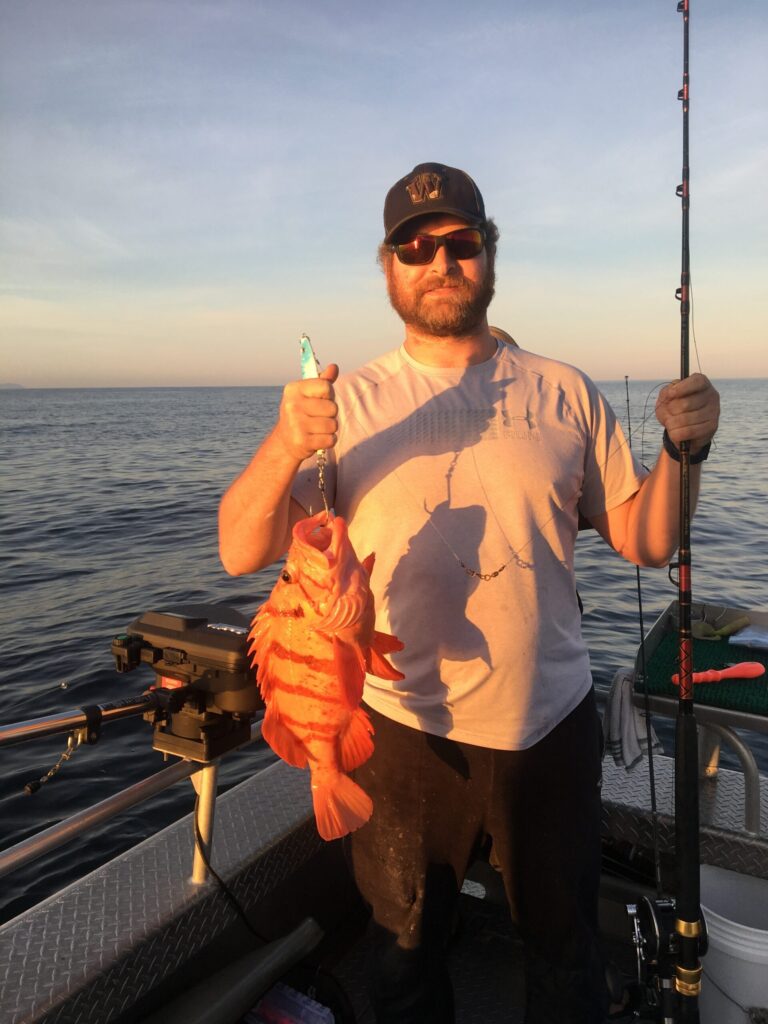
One such category is rockfish. There are over 50 different types of rockfish, each with distinct characteristics, colors, and patterns. These fish exhibit striking colors, from bright reds and red-and-white stripes to olives, browns, and even species with yellow dots. These fish are ambush predators that use camouflage to catch and eat smaller fish. They’ll sit on a rock until a small fish goes by, jump out, and get it. That’s important because their muscles are not highly vascularized, there’s not a lot of blood in them, because they don’t use them frequently. This produces the most beautiful white filets that you’ll ever see. They are sweet with an excellent mouth-feel and offer chefs an opportunity to create unique culinary experiences.  

Another noteworthy fish is lingcod, which isn’t a cod at all. Cod are normally 4 pounds up to 15 pounds while lingcod can get up to 50 pounds. Occasionally, you get a lingcod that when you look in its mouth, it is a beautiful baby blue. When you fillet them, the flesh is as blue as can be! 

Sablefish or black cod is also a special fish. They are one of the most buttery and tasty fish out there. They are incredible fish with a super high fat content.  

And this is just the beginning of it. Kodiak’s diverse selection of fish allows chefs to introduce their patrons to a wide range of flavors and textures, setting them apart from the rest. 

Can you share more about Jeremy Abena, our fishmonger in Kodiak, and what his experience brings to What Chefs Want? 

Kelly: Jeremy Abena comes from a family deeply rooted in the fishing industry. His father was a successful fisherman and Jeremy was born and raised on Kodiak Island. He initially pursued a marketing degree in Seattle and went to work for an agency in San Francisco. However, his father’s call changed the course of his career. His father offered him a spot on one of his boats in Dutch Harbor, and Jeremy didn’t hesitate to make the transition from his corporate life in San Francisco.  

He joined as a deck hand and quickly fell in love with it. Over the years, Jeremy has been involved in catching over a million pounds of fish, primarily salmon and halibut on his father’s boats. He’s passionate about fishing and brings a wealth of experience to the table. I’ve been buying fish from Jeremy for years, even when I had my own company, because of the quality and the care he took with his fish and his facilities. Chefs absolutely loved what he was what he was getting for them! It absolutely made sense to bring him on board as a full-time employee of What Chefs Want, providing our chefs with that same commitment to quality and passion for the industry.  

Can you share more about the sustainability of this program and why it matters? 

Kelly: 98% of all the electricity in our warehouse is renewable. On the hill behind us we have windmills that produce the electricity for the warehouse and our water is all from a catchment system. The island must be concerned about sustainability because with the weather being so bad, we must be self-sufficient here. That equals sustainability and the need to use renewable resources, so it’s pretty awesome. 

The most amazing thing that I have learned over the years is that if we do care about the ocean and the sea life in it, the ocean comes back and comes back fast. In the town that I grew up in, we’d go spearfishing and it was hard to catch fish. Now when I revisit, because of San Diego’s sustainability practices, and because of what the government has done there, it is the most amazing fishery I’ve ever seen. I can’t believe how alive it is now. I’ve seen the same thing with certain species in Florida.  

So, it matters. It matters what fish we choose. It matters how much we catch and how we catch it. It matters what we do.  It’s worth it to care. 

How can chefs learn more about the freshest and most exciting fish sourced from Kodiak? What’s the best way for them to stay informed and get in touch with us? 

Kelly: I love to teach and that’s what I do more than anything. Sign up for my newsletters. I’ll teach you about the fish, I’ll teach you all about the fisherman and I’ll teach you something new every week.  

My personal cell phone number is provided in my newsletters. I love, absolutely love it, when chefs call me. We can geek out about fish. 


The Kodiak dock represents the What Chefs Want commitment to sourcing the best seafood. It’s not just about acquiring fish; it’s about building a trustworthy and sustainable relationship with local fishermen and prioritizing the wellbeing of the ocean’s resources. Kodiak is a prime example of how this approach can lead to win-win situations. By choosing our Kodiak fish, chefs can trust that they’re receiving seafood that meets the highest standards of quality, sustainability, and freshness. This commitment to excellence extends to every aspect of our sourcing process, ensuring that chefs can confidently add these exceptional fish to their menus. 

Our aim is to ensure that chefs have all the resources and knowledge they need to make informed choices and deliver memorable dining experiences to their customers.  

You can sign up for Kelly’s emails here.

Anthonino’s Taverna: From Family Roots to Culinary Heights

By | Appetizers, Chef's Feed, Italian, Pizza, Produce, What Chefs Want

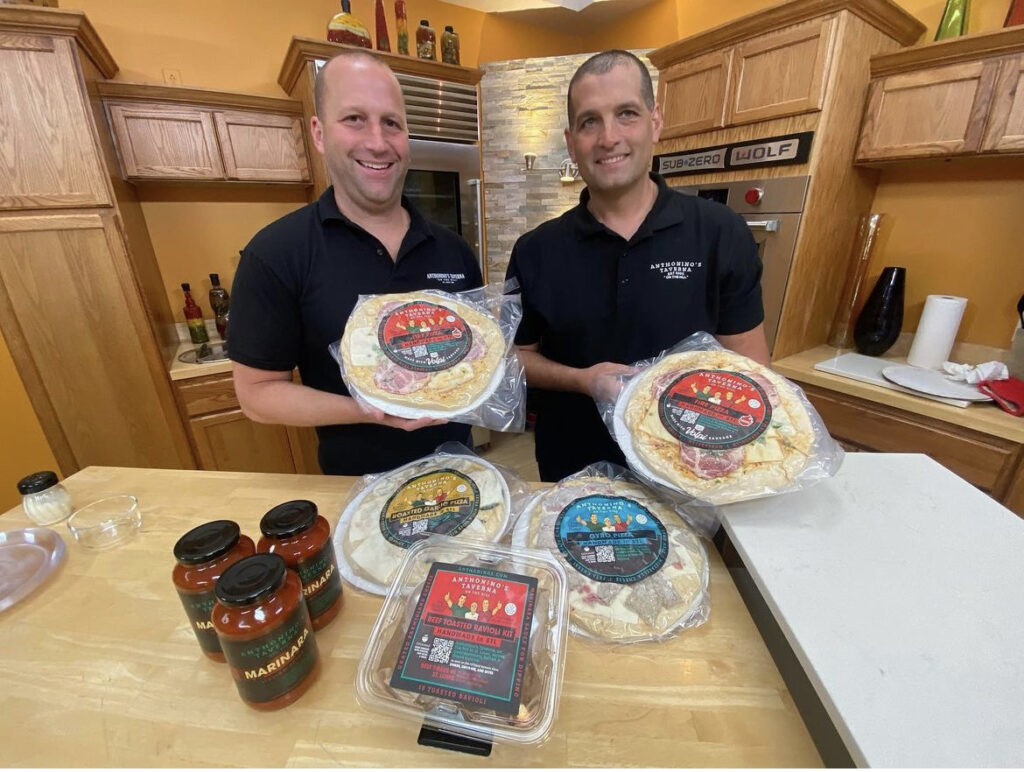
In the heart of St. Louis, MO, Anthonino’s Taverna stands as a testament to the dynamic fusion of Italian and Greek cuisines, owned by brothers Anthony and Rosario Scarato. Their culinary journey is rooted in family traditions, echoing through generations in their Italian and Greek heritage. With a legacy in the restaurant business and an innate passion for flavors, the Scarato brothers embarked on a culinary venture that has earned accolades for both the best Italian and Greek restaurant in town.

Join us as we explore their journey and applaud their achievements, powered by the use of fresh, local ingredients and their fearless attitude towards embracing new opportunities.

Can you share a bit about your culinary background and what led you to open a restaurant?

Anthony – Our family has been in the restaurant business our whole lives, so it surrounded us growing up. As we became adults and needed to make a career for ourselves, this was it!

Rosario – Our dad had restaurants at local food courts here in St. Louis and Anthony and I grew up doing that together. When we decided to open a restaurant in 2003, we found a perfect spot on The Hill and have been at it ever since then.

Anthony – When we started it was just a 1-page menu and three or four other employees besides ourselves and we’ve been growing ever since!

For non-St. Louis natives, The Hill is a distinctive neighborhood with roots tracing back to Italian immigrants from the 1800s. This vibrant and enduring community offers a charming “little Italy” ambiance, making it a must-visit destination that encapsulates the essence of Saint Louis, Missouri.

What inspired you to showcase both Italian and Greek cuisines at Anthonino’s Taverna?

Rosario – Our culture. We started with family recipes because we grew up on them, loved them and knew everyone would enjoy them.

Anthony – Our mother was born in Greece and Dad’s parents were born in Italy. There are lots of Italian restaurants on the Hill, and our recipes and the way we do things are different, but having Greek menu items as well really helps us stand.

How does sourcing your food from What Chefs Want impact the quality of your menu?

Rosario – We like to focus on local and What Chefs Want helps us get a good variety of produce. Using them, we can feel confident that we will get good and consistent year-round product.

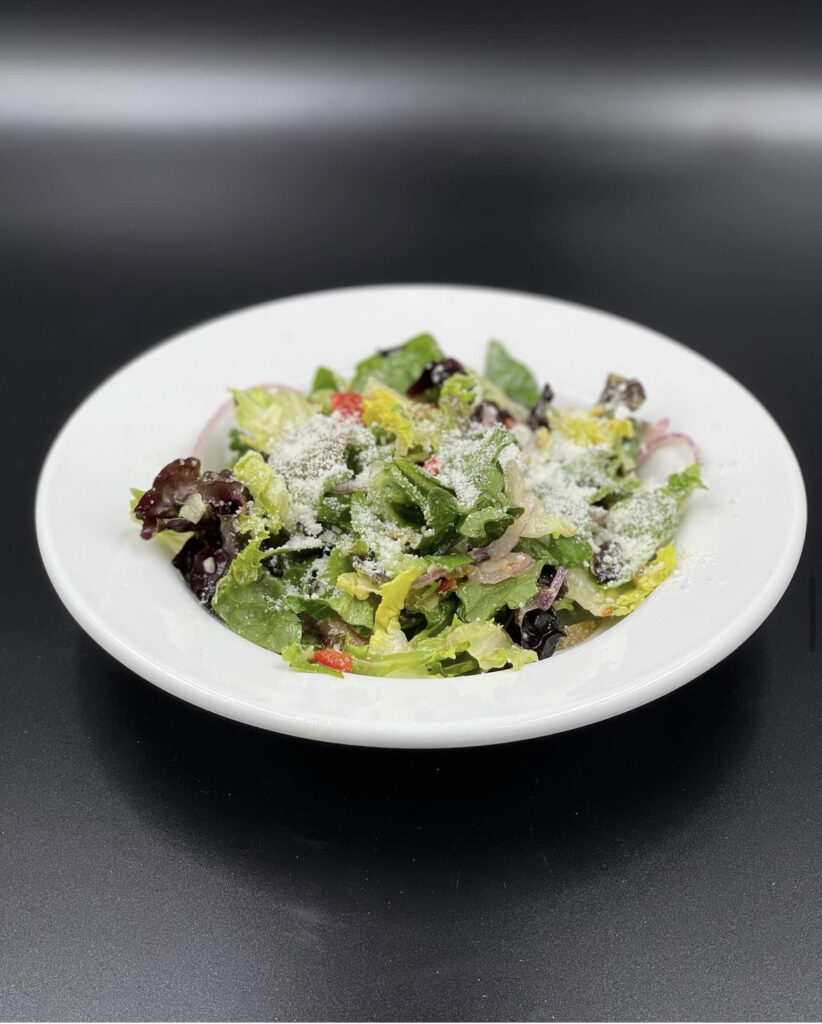
Anthony – We choose to use What Chefs Want because we’ve found that we can get things that we can’t get from a lot of other purveyors. We have three awesome salads that we rely on their produce for, the House Salad, Caesar Salad and Italian Salad. We use shaved kale in the Caesar, a nice artisan blend of lettuce for the Italian, and chopped romaine for the house, all with homemade dressings.

“Using What Chefs Want really takes out a lot of the leg work for us because the lettuce is coming to us clean and ready to use.”

– Anthony Scarato

  • Find our Chopped Romaine – Item #20264
  • Find our Shredded Kale Greens – Item #98742
  • Find our Arcadian Mix Lettuce – Item #20248
  • Find our Cherry Heirloom Tomatoes – Item #50901

Talk to me about your favorite family recipe how you’ve used it in your menu?

Anthony – I’d say ravioli. Growing up our grandma and aunts would always make ravioli. They would make it the traditional way and boil it, but toasted ravioli is so popular here that we added it to our menu in that way.

Rosario – We’ve really perfected it. It’s all made with fresh ingredients.

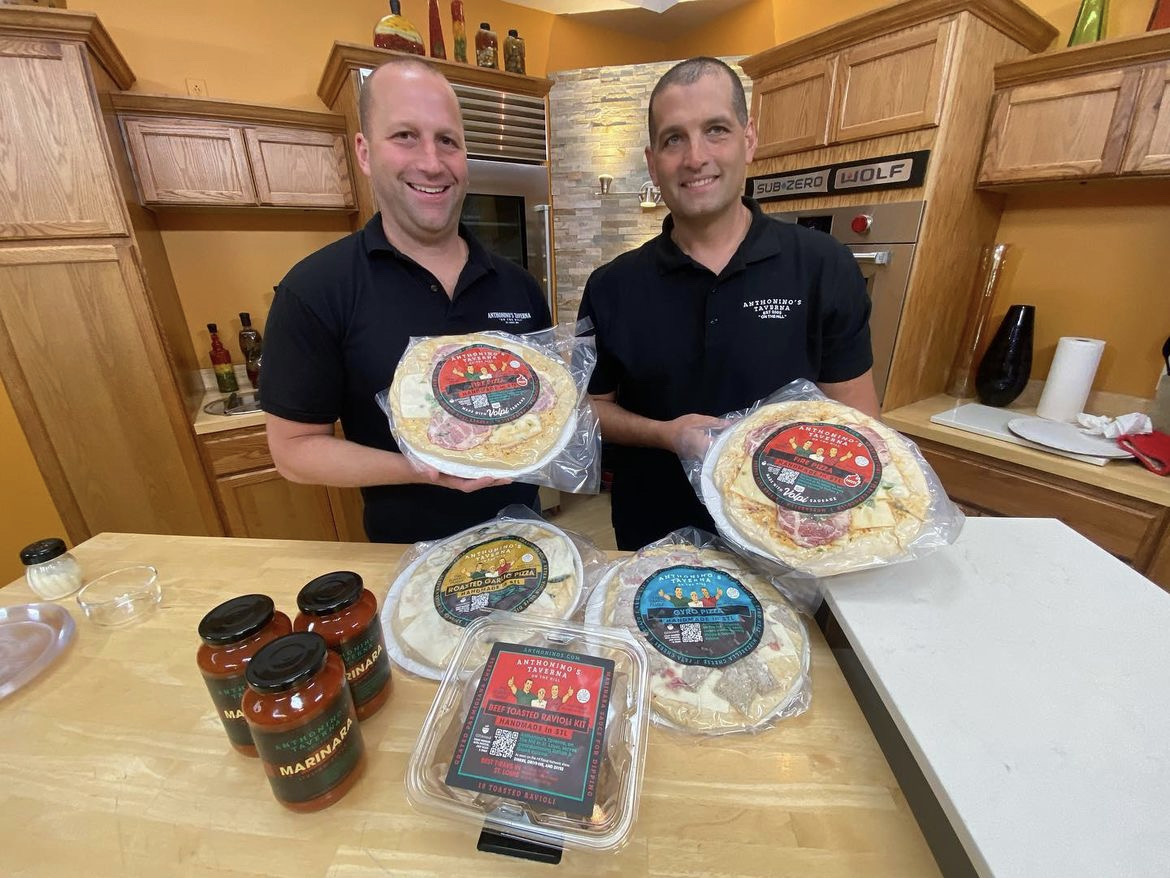
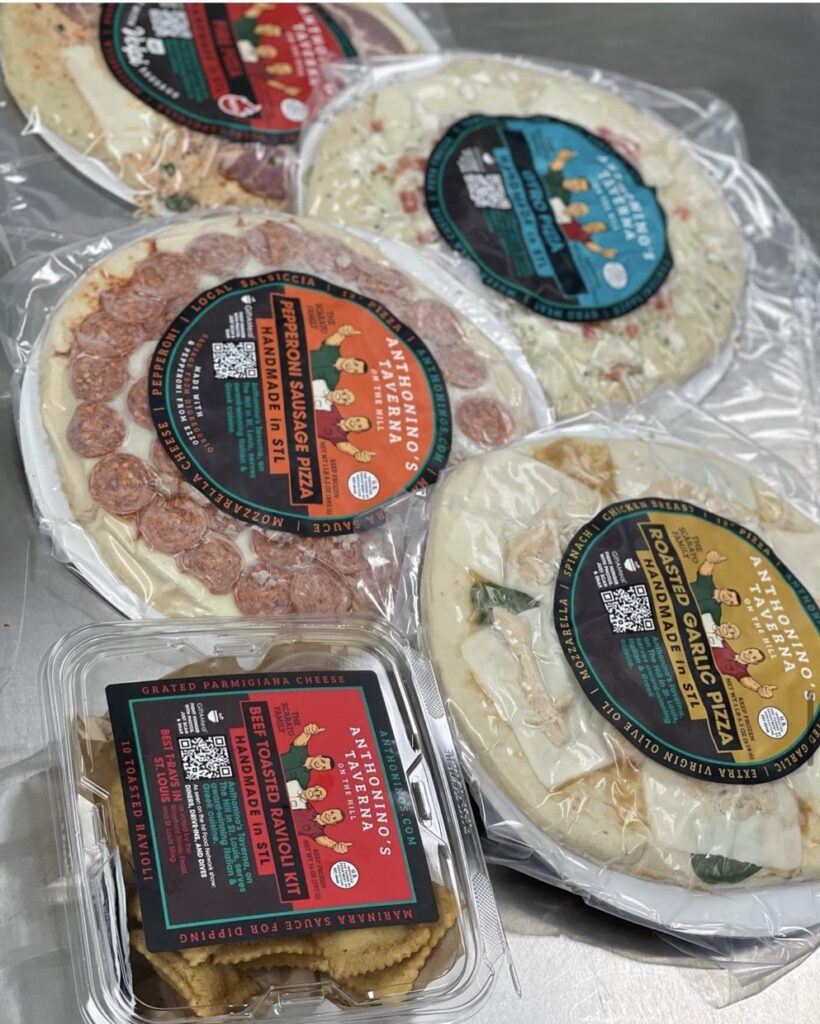
And Anthonino’s HAS perfected Toasted Ravioli. They are handmade in house and filled with ground beef, ricotta and pecorino romano cheese, served with their own marinara. They’ve won awards for the Best Toasted Ravioli in St. Louis, sell them in the new CITYPARK soccer stadium, sell them frozen at local grocery Schnucks, and were featured on Diners, Drive-Ins and Dives where Guy Fieri RAVED about them.

    Being featured on Diners, Drive-Ins and Dives is a fantastic achievement! Could you share your experience of being on the show and how it impacted your restaurant’s visibility and success?

    Anthony – It was pretty wild. When they first called us we thought it was a joke, but as we went through multiple phone calls and multiple interviews, each call sounded a little more serious! It’s the #1 show on The Food Network, so this was BIG. When they filmed the crew was really gracious and Guy was great.

    Rosario – Our taping was in May 2012 and in terms of our restaurant, we were still little guys, still growing. It was an extremely big deal for us. In 2014 we were able to get a bank on board to add onto our dining room, allowing us to double in size. I’m not saying that it is all because of Diners, Drive-Ins and Dives, but our exposure there played a big role.

    Anthony – After the show films, it doesn’t air for a couple months, but when it does, it reruns six times a year. It drives people to us even to this day and we’ve even had people from Europe who visited us after seeing us on the show.

    Tell me about finding your pizza and toasted ravioli in stores? How did that come about?

    Rosario – It started during Covid. We were looking for a way to keep the business going, a way to keep our people working. We were doing to-go orders and started just by selling frozen pizzas to the people who were there to pick up orders. We started jarring our sauce at the same time. We started a great relationship with Schnucks grocery store. They liked that our product was local, made with a focus on local products, and now our frozen pizzas are available in 115 of their stores! Our frozen ravioli, marinara and two salad dressings are also available in their stores.

    What would your advice be to chefs or restaurateurs who are looking to break out of the brick-and-mortar mold?

    Anthony – Do your research, but take a chance. If you have something that is unique and different, get out there and try it. Just take the chance.


    La Mozzarella: A Journey from Italy to Your Plate!

    By | Cheese, Chef's Feed, What Chefs Want

    Buongiorno, food aficionados and culinary enthusiasts! Today, we invite you to join us on a delectable journey to the heart of Italy with La Mozzarella, where a passion for tradition and the finest Italian cheese can be delivered right to your kitchen.

    Meet Lara Postiglione, the dynamic owner behind La Mozzarella, whose unwavering passion for the art of cheesemaking has shaped her journey from Italy to the United States. Lara has poured her heart and soul into creating a business that transcends the boundaries of just being another supplier.

    The journey began when Lara and her husband, Rosario, arrived in the U.S. back in 2001. They brought with them an insatiable longing for the taste of authentic buffalo mozzarella cheese, a delicacy they had grown up cherishing in Italy.

    Lara remembers the moment she tried mozzarella di bufala for the first time when she was a teacher in Italy.

    “It was so amazing and I just couldn’t believe what I was eating,” said Lara Postiglione, owner of La Mozzarella.  “I told one of my students about it the very next day and he bought me a kilo of mozzarella the following week for my birthday. I ate it all in one day.”

    Fast forward to 2001, when Lara and Rosario realized they couldn’t find any of the product in Chicago.  Recognizing this gap in the market, they embarked on a quest to introduce original buffalo mozzarella, natural, fresh, and steeped in generations of tradition, to the eager palates of the Chicagoland area. Now, La Mozzarella is available in 18 states and continues to grow. Through the What Chefs Want partnership with La Mozzarella, we are the exclusive distribution partner who can bring this taste of Italy to your restaurant.

    A Standout Product & Philosophy

    La Mozzarella’s philosophy is built on the principle of personalized service, where each customer is treated as the most important one. Lara believes that technical skill is essential, but it is her passion for what they do that sets them apart. The La Mozzarella team carefully listens to every chef’s unique needs, ensuring that the products they deliver are of the utmost quality.

    “We are so grateful to have our customers and we are committed to giving them the best product, while also focusing on being kind,” said Lara. “Kindness is the most important thing and isn’t always common in the industry, so we make sure everyone on our team keeps that focus on kindness.”

    Lara personally traveled through Italy, handpicking her Italian suppliers. She traversed various regions and visited numerous producers, ensuring that only the finest ingredients find their way into La Mozzarella’s offerings.

    Mozzarella di Bufala

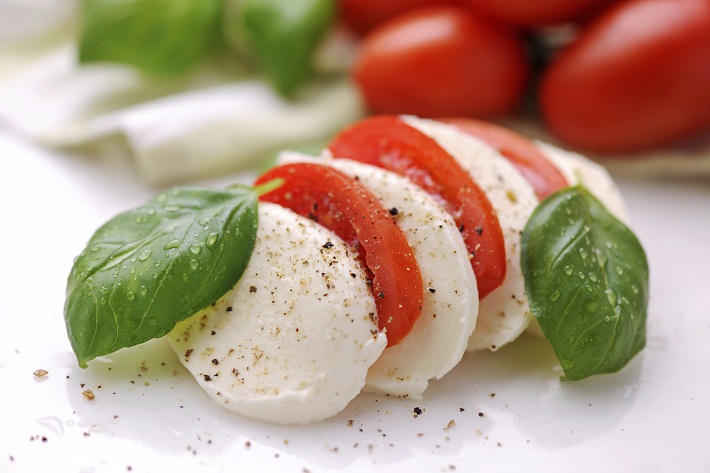
    One of their proud treasures is the Mozzarella di Bufala DOP, made from the milk of Italian water buffalo, arriving in the United States within a mere 36 hours of being crafted in Campania. With a tradition dating back to the earliest days of mozzarella di bufala production, this cheese carries the esteemed “Denomination of Protected Origin Status,” safeguarding its authenticity and artisanal value.

    The majority of fresh mozzarella available worldwide, including in Italy, is crafted from cows’ milk, resulting in a firmer texture with lower moisture content and a subtle taste. However, Mozzarella di Bufala stands in contrast, boasting an immensely flavorful profile, a luxurious butterfat richness, and a truly satisfying experience.

    SEARCH ITEM # 32707 – Order by Wednesday and receive this made-to-order product, straight from Italy, 8 days later!

    Burrata

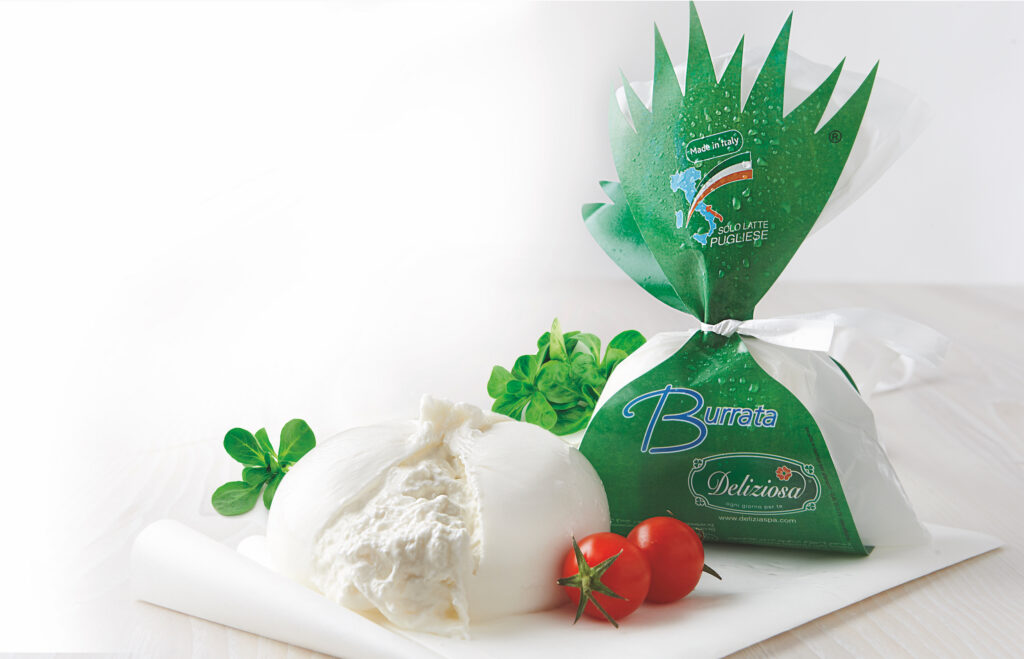
    And let’s not forget about their Imported Burrata, lovingly crafted from cow’s milk in the heart of Bari, Italy. As burrata’s birthplace, Bari holds a special place in this cheese’s rich history. The name itself, burrata, originates from “burro,” meaning butter, a subtle reminder of the luscious creaminess that sets this imported delicacy apart from domestic alternatives. La Mozzarella was the first to bring burrata to both Chicago and Denver, and now you can purchase it for your culinary needs at What Chefs Want.

    SEARCH ITEM # 26078 Order by Wednesday and receive this made-to-order product, straight from Italy, 8 days later!

    Committed to Being the Best

    What truly elevates La Mozzarella to greater heights is their commitment to delivering the freshest and highest quality product. Their experience of importing fresh Italian cheeses spans over 22 years, and they have mastered the art of multiple direct flights from Italy each week. With a seamless process that ensures each cheese is made to order and arrives within 36 hours of production, La Mozzarella remains unrivaled in the United States.

    But it’s not about being the largest importer for Lara; it’s about being the best. Her ambition lies in serving you the most exceptional flavors and providing an unparalleled culinary experience. La Mozzarella cheese is more than just a product; it’s a testament to their passion, love for tradition, and dedication to sharing Italy’s gastronomic treasures with the world.

    Drooling yet? Well if not, check out some recipes La Mozzarella shares, featuring mouthwatering ideas like a Burrata Pesto Burger,  Peaches with Burrata, Basil, and Raspberry Balsamic Syrup, and Mozzarella with Summer Squash and Olive Puree.

    So, dear foodies, let La Mozzarella transport you to the sun-kissed hills of Italy, and let the delicious journey from Italy to your plate begin!

    Buon appetito! 🧀🍕🍝


    Search the What Chefs Want site for these products using item codes:

    • Mozzarella di Bufala – item 32707
    • Burrata – item 26078

    It’s Corn! 10 Unconventional Ways to Utilize Fresh Local Corn

    By | Chef's Feed, Local, Produce, Vegetables, What Chefs Want

    As summer arrives with its sunny warmth and vibrant flavors, there’s one star ingredient that dominates every farmer’s market and dinner table: fresh, local corn! At What Chefs Want, we believe in embracing creativity in the kitchen, and what better way to do so than by experimenting with this versatile golden gem? Get ready to embark on a cornucopia of fun and unique ideas that will have your restaurant patrons buzzing with excitement.

    Spicy Corn Fritter Tacos

    Transform traditional tacos into a fiesta of flavors with spicy corn fritter tacos. Whip up a batch of zesty corn fritters using locally sourced corn, diced jalapeños, and a blend of bold spices. Serve these crispy delights in soft tortillas topped with tangy lime crema and fresh avocado salsa for a mouthwatering explosion of tastes and textures.

    Corn Popsicle Delight

    Beat the summer heat with an unconventional treat: corn popsicles! Create a refreshing and surprising dessert by blending fresh corn kernels with coconut milk, honey, and a pinch of salt. Freeze the mixture into popsicle molds, and voilà – a sweet and savory delight that will have diners raving about your inventive dessert menu.

    Corn and Basil Ice Cream

    Take your ice cream game to the next level by infusing fresh local corn into a creamy basil ice cream base. The natural sweetness of the corn complements the aromatic notes of basil, resulting in a truly unique and sophisticated dessert that will leave your guests in awe.

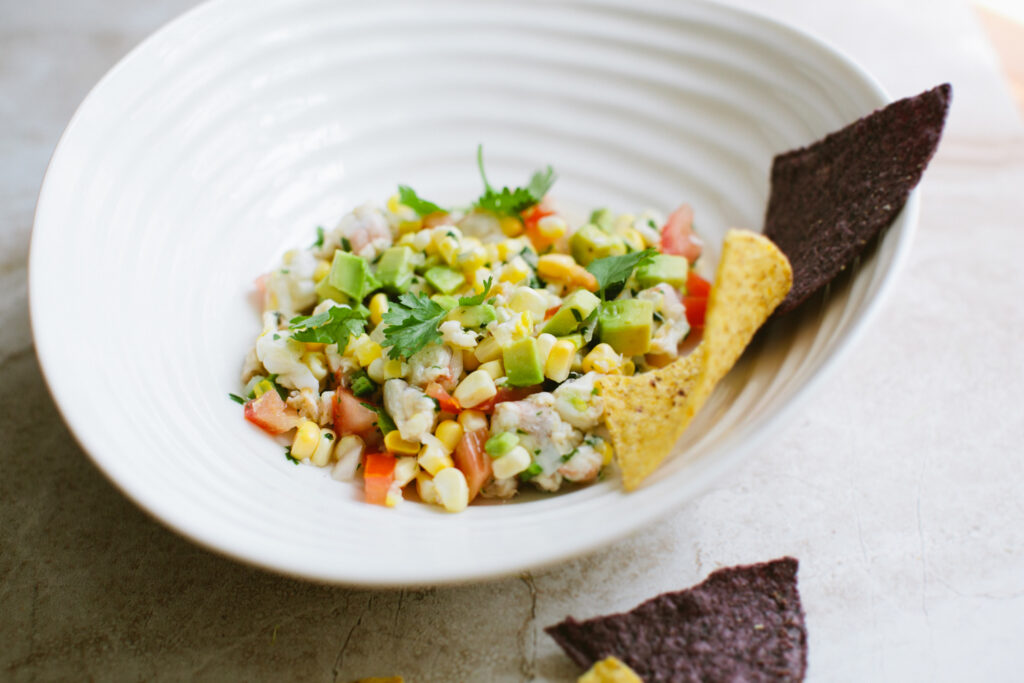
    Corn Ceviche

    Add a twist to the classic seafood ceviche by incorporating charred corn kernels into the mix. Marinate fresh shrimp or fish with zesty lime juice, diced tomatoes, onions, and cilantro, then toss in the corn for a burst of smoky sweetness that elevates this dish to new heights of flavor.

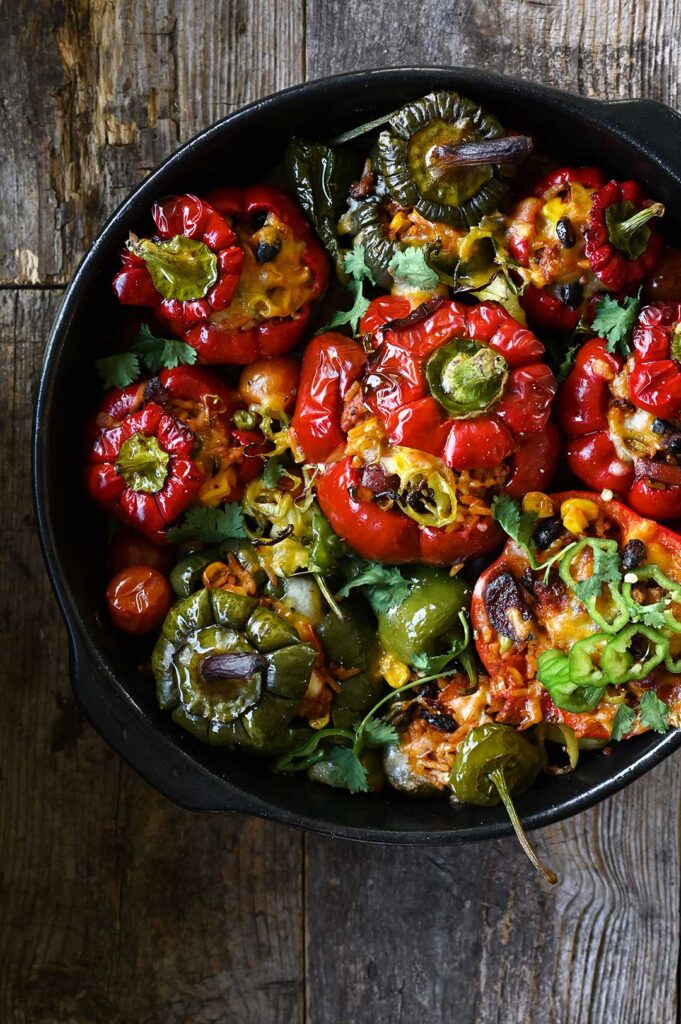
    Corn and Chorizo Stuffed Peppers

    Amplify the flavors of stuffed peppers by adding a corn and chorizo filling. Mix charred corn with spicy chorizo, black beans, and cheese, then stuff it into colorful bell peppers. Bake until tender and bubbling for a dish that packs a punch and showcases the delicious potential of fresh local corn.

    Corn and Goat Cheese Croquettes

    Combine the delightful creaminess of goat cheese with the satisfying crunch of corn croquettes. Blend locally sourced corn with tangy goat cheese, breadcrumbs, and herbs, then fry to golden perfection. These delectable bites are sure to become a beloved appetizer at your restaurant.

    Corn Dumpling Soup

    Give traditional dumpling soup a summery makeover by adding corn dumplings. Mix cornmeal, eggs, and a dash of nutmeg to form dumpling dough, and drop spoonfuls into a flavorful vegetable broth. The tender dumplings and sweet corn make this dish a comforting and innovative addition to your menu.

    Corn Pancake Stack

    Brunch enthusiasts will flock to your restaurant for a delightful corn pancake stack. Blend fresh corn into pancake batter and cook until golden brown. Stack the pancakes high, alternating with layers of crispy bacon and drizzles of maple syrup, creating a sweet and savory tower that’s a feast for the eyes and taste buds.

    Corn-stuffed Ravioli

    Dazzle your guests with a corn-filled surprise by offering corn-stuffed ravioli. Create pillowy pockets of pasta filled with a delectable mix of corn, ricotta cheese, and fresh herbs. Toss the ravioli in a luscious brown butter sage sauce for an unforgettable dish that celebrates the essence of summer.

    Corn Sushi Rolls

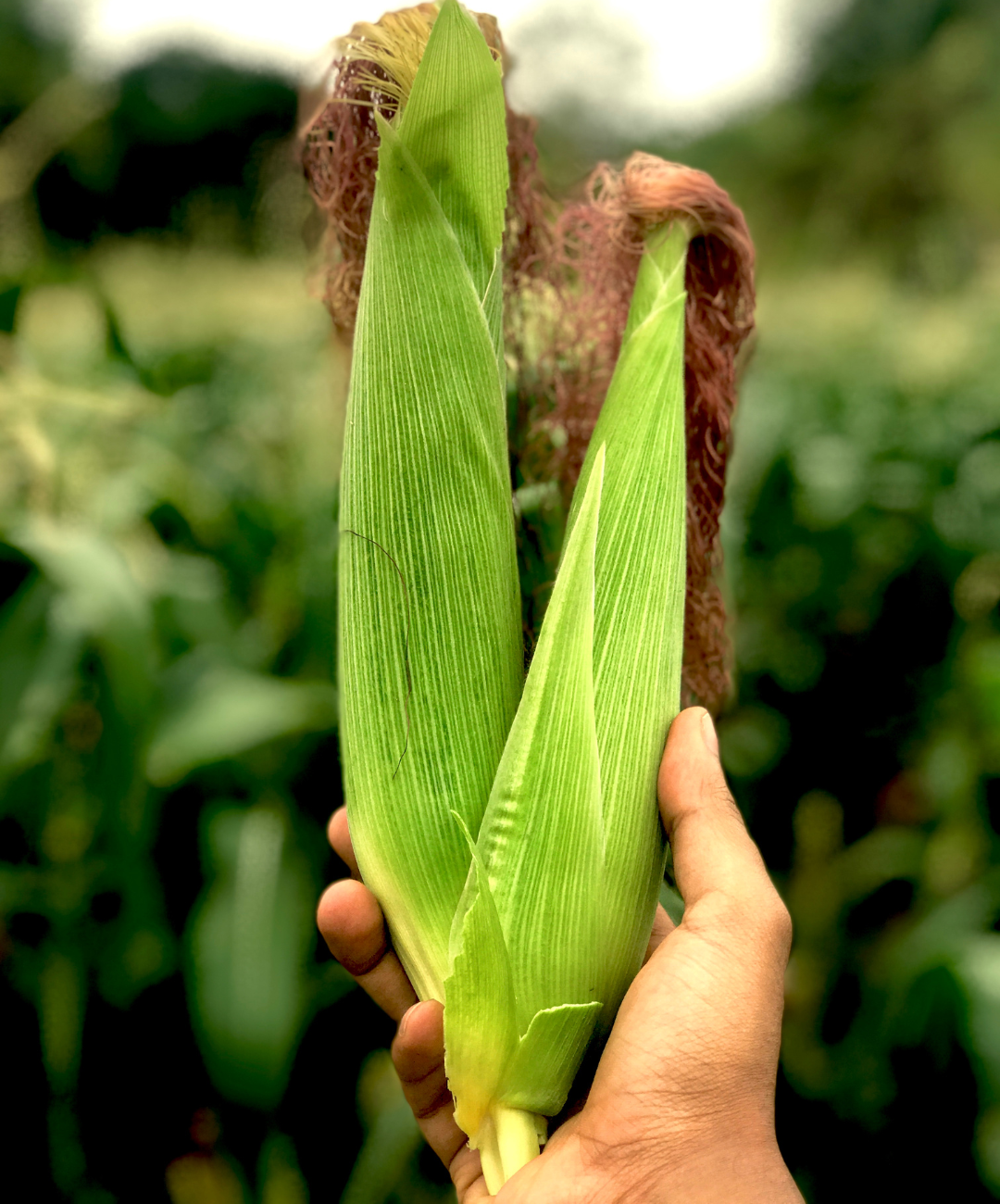
    Put a twist on sushi night with corn sushi rolls. Swap traditional nori seaweed sheets for soft corn husks and stuff them with sushi rice, avocado, cucumber, and fresh corn. Roll it all together and slice into bite-sized pieces for a sushi experience that’s both innovative and satisfying.


    Search the What Chefs Want site for corn or search using item codes:

    • Bi Color Corn – item 20041
    • Yellow Sweet Corn – item 20047
    • Fresh Corn Kernel – item 17043
    • Shucked Corn on the Cob – item 17041
    • Corn Husk for Tamales – item 92208

    Learn More

    With these ten playful and imaginative ideas, you’re well-equipped to wow your restaurant’s diners with an extraordinary corn-centric menu. Embrace the abundance of summer corn and let your culinary creativity shine! What are you waiting for? It’s time to let the cornucopia of fun begin!
    And not to end on a corny note, but if you need a little inspiration while cooking to celebrate all things corn, don’t forget about this little viral sensation: https://youtu.be/_caMQpiwiaU.

    Become a Customer